Underground passage discovered near Narewka
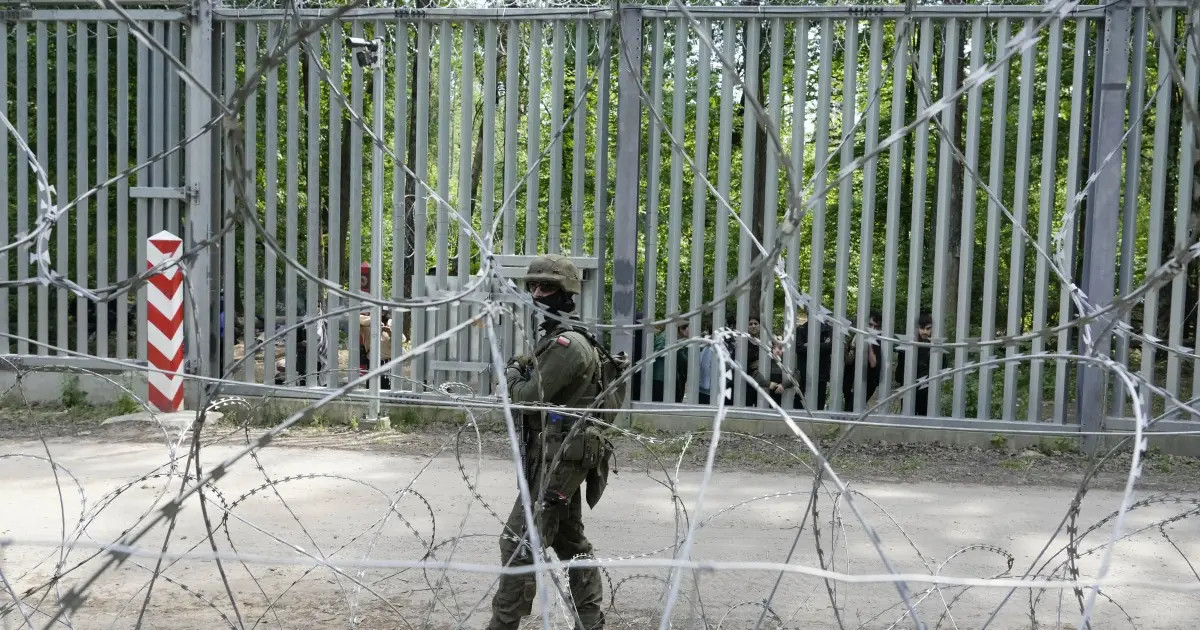
Polish border guards have uncovered an underground tunnel running beneath the Polish-Belarusian state border near the village of Narewka in the Podlaskie region, exposing a new method used to facilitate illegal migration into the European Union. The discovery followed an incident in which 180 foreign nationals crossed the border through the tunnel in a single operation, according to information published by RMF24 and embedded in the phrase underground tunnel beneath the Polish-Belarusian border.
Polish authorities say the tunnel represents a significant escalation compared with previous attempts to breach border security, indicating a higher level of planning and coordination.
Majority of migrants detained, search ongoing
Of the 180 people who entered Poland via the tunnel, 130 were detained by law enforcement shortly after crossing. The search for the remaining individuals is ongoing. A spokesperson for the Polish Border Guard said those detained were primarily citizens of Afghanistan and Pakistan, with others coming from India, Nepal, Bangladesh and several additional countries.
As part of the same operation, two drivers attempting to assist the migrants after their entry into Poland were also arrested, pointing to organised logistical support on the Polish side of the border.
Fourth tunnel found this year in Podlaskie region
The Polish Border Guard confirmed that this is the fourth tunnel discovered under the Polish-Belarusian border in 2025 by officers in the Podlaskie voivodeship. Details released by the service and embedded in the phrase fourth tunnel discovered this year underline growing concern that such crossings are becoming a systematic tactic rather than isolated incidents.
Officials stress that constructing and operating underground passages of this kind would be impossible without sustained activity and control on the Belarusian side of the border.
Migration pressure seen as part of hybrid tactics
Poland and the European Union have repeatedly accused Belarusian authorities of using migration as a political tool to create pressure on the EU. Since the crisis began in 2021, more than 200,000 attempted illegal crossings into Poland, Lithuania and Latvia have been blocked. Warsaw has responded by establishing a temporary buffer zone along the border, extended until December 2025, and by building a physical barrier as part of the “Eastern Shield” security project.
Polish officials argue that the use of tunnels signals a shift from spontaneous breaches to infrastructure-based operations designed to overwhelm border controls and stretch security resources.
Broader security implications for the EU
The discovery has reinforced concerns in Warsaw that Belarus is acting in close alignment with Moscow as part of a broader strategy to destabilise the EU’s eastern flank. By forcing member states to deal simultaneously with irregular migration, security threats and the ongoing war in Ukraine, such operations are seen as intended to erode political cohesion and public confidence within the Union.
Poland is calling for deeper EU coordination on border protection, enhanced technical surveillance including underground sensors, and a political response that signals zero tolerance for organised cross-border provocations.