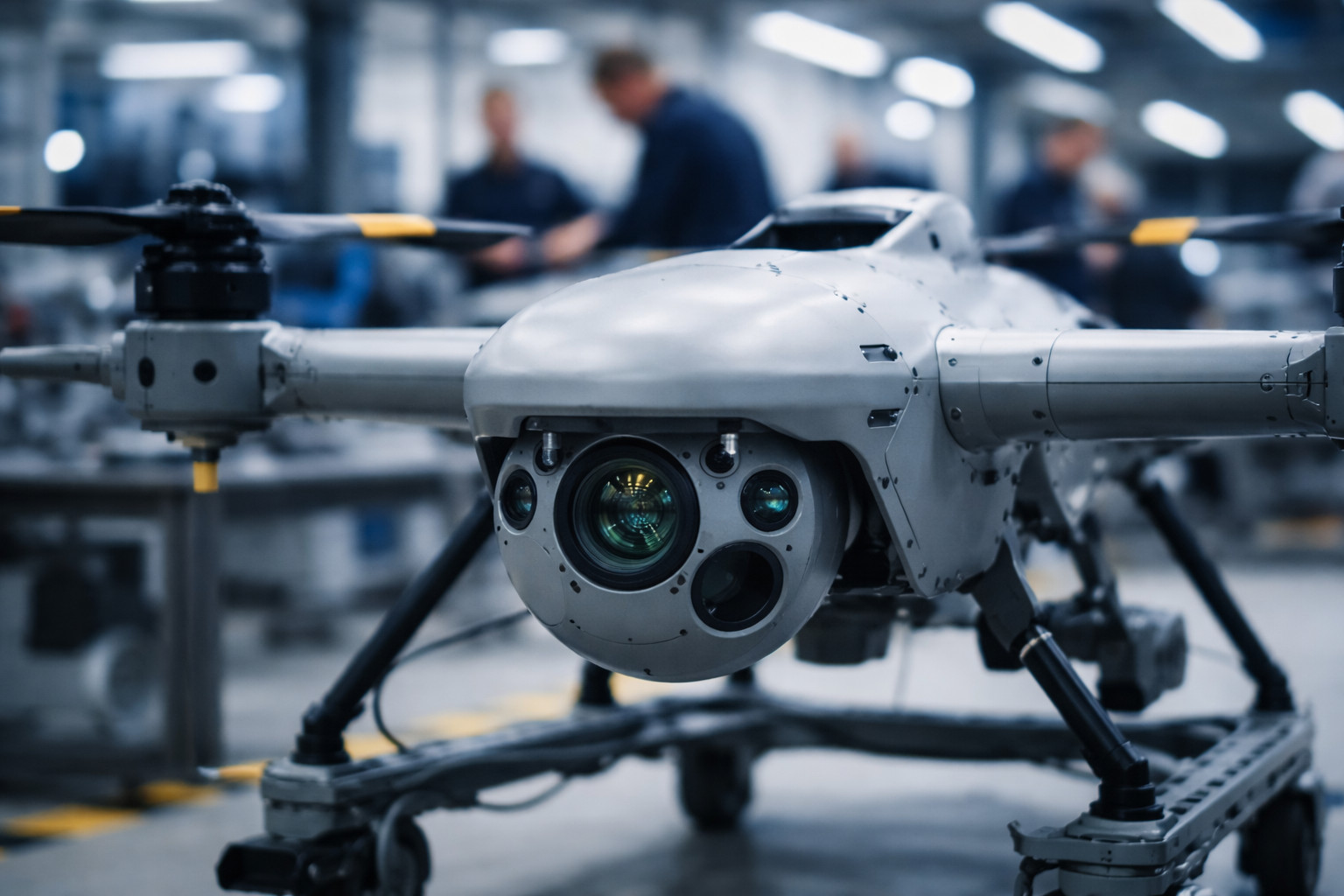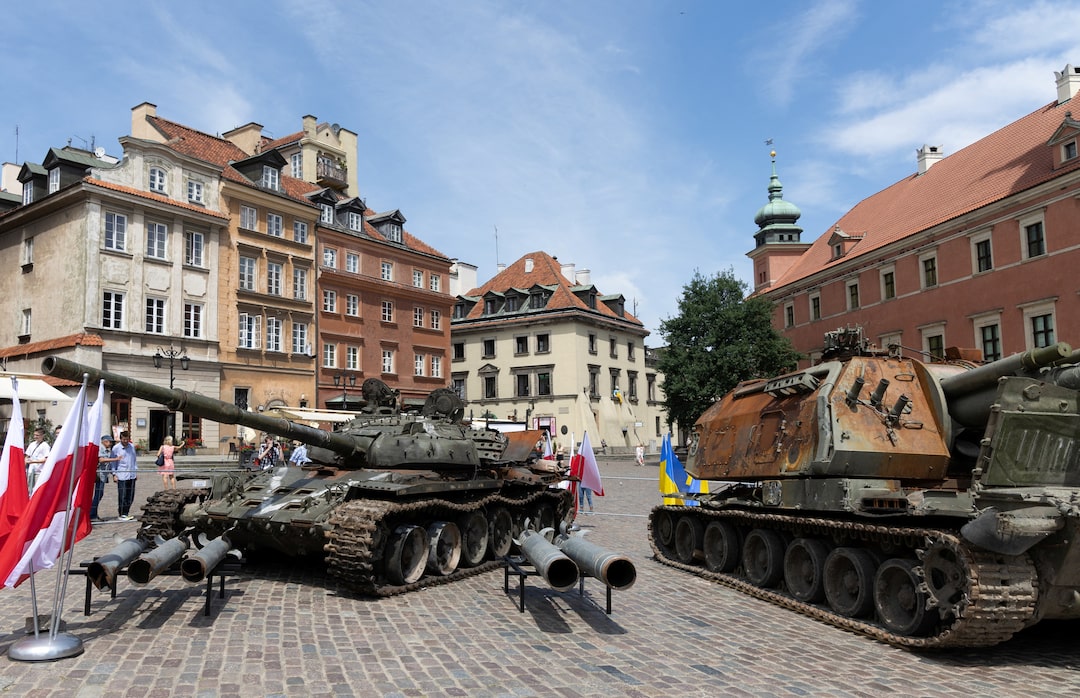
Poland and Ukraine have taken a concrete step toward joint defence manufacturing, shifting bilateral cooperation from political coordination to industrial execution. On 5 February 2026, the two governments confirmed the signing of a letter of intent on the joint production of weapons and ammunition, a move Polish Prime Minister Donald Tusk described as the start of practical cooperation rather than a declaratory gesture. The document is intended to underpin binding agreements between defence companies in both countries. It formalises a framework for shared production lines, technology exchange and market access.
From political support to industrial cooperation
The letter of intent establishes a legal and organisational basis for companies to conclude specific contracts and launch joint projects. Preparatory work took several months and focused on removing barriers to technology transfer and industrial coordination. The agreement enables Polish and Ukrainian firms to align standards and production processes. It also allows cooperation to move at company level, accelerating timelines compared with purely intergovernmental formats. Details of the announcement were outlined in a report on the signed letter of intent for joint arms production.
Economic and industrial gains for Poland
For Poland, the arrangement offers more than supply for domestic needs. Joint production creates export opportunities to EU and NATO markets, positioning Polish firms alongside Ukrainian partners with recent combat and production experience. The cooperation supports job creation and skills development across the defence industrial base. It also encourages investment in modernised production lines and related supply chains. Over time, this can enhance Poland’s competitiveness in defence technologies.
Technology transfer and resilient supply chains
The partnership facilitates two-way technology flows: Polish companies gain access to Ukrainian manufacturing capacities and battlefield-tested solutions, while Ukrainian enterprises adopt Western standards and management practices. Sharing production across two countries reduces concentration risk and strengthens supply-chain resilience. This distributed model lowers vulnerability to disruption and supports continuity. It also improves interoperability and quality control across outputs destined for allied markets.
Access to EU funding and regional security impact
Joint projects open pathways to European defence financing instruments, including EU security and technology programmes, which can co-finance development and scale-up. For Poland, participation strengthens its role as a strategic defence partner in Europe. For Ukraine, partially localised production in both countries ensures steadier access to modern equipment amid ongoing security pressures. The agreement thus delivers simultaneous economic, technological and security benefits, embedding cooperation as a practical industrial reality.