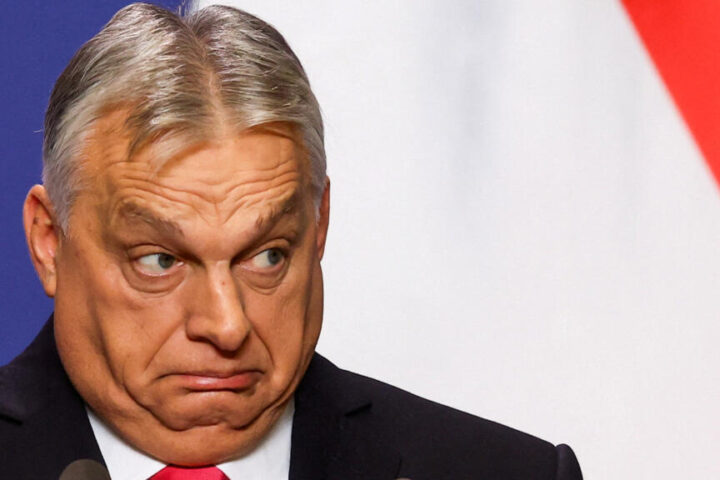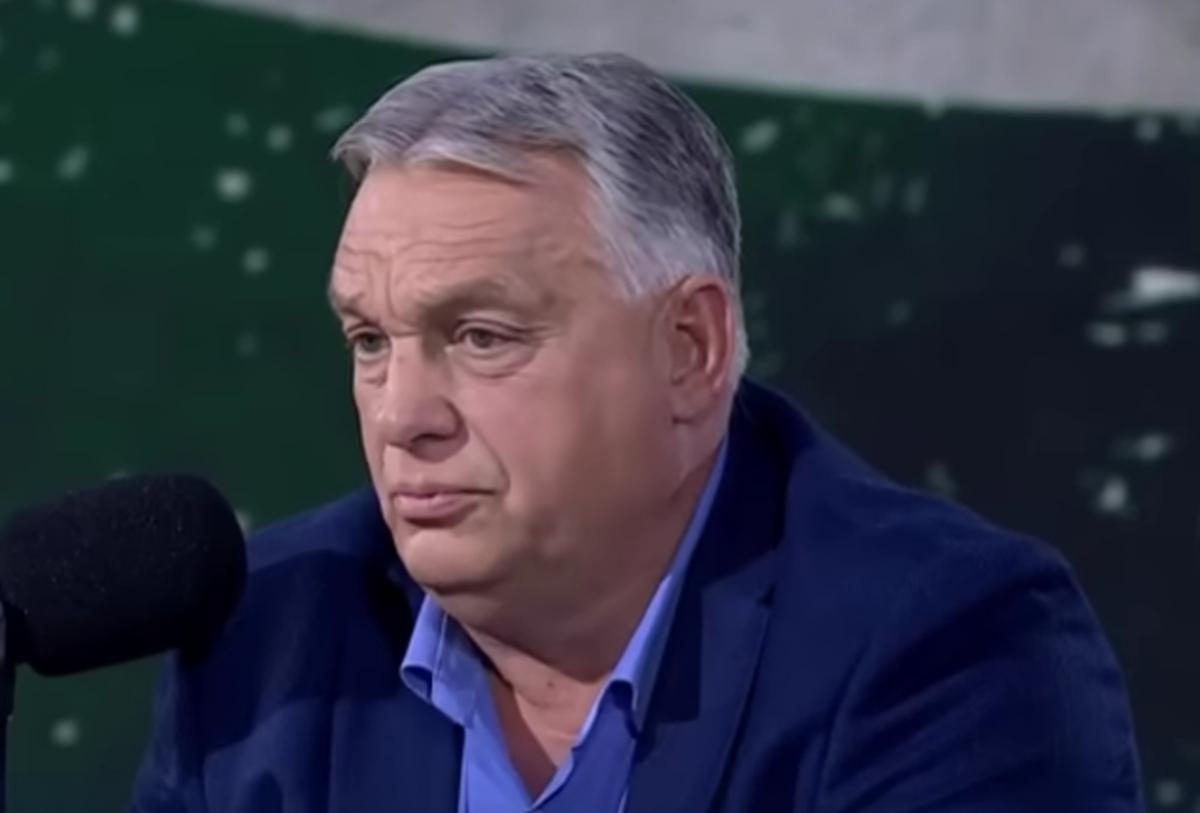
Hungarian Prime Minister Viktor Orbán has claimed that financial assistance from the European Union to Ukraine would cost Hungarian pensioners the equivalent of two annual pension payments each year for the next decade. On January 8, Ukrainian media reported that Orbán made the statement on his personal Facebook page, arguing that the €800 billion Ukraine seeks from Brussels would equal 40 years of Hungarian pension payments or 60 years of family benefits.
The comments were presented as a direct link between EU-level support for Ukraine and domestic social spending in Hungary, framing European solidarity as a zero-sum choice that would come at the expense of Hungarian retirees. Orbán’s post appeared amid ongoing debates in the EU over long-term financial assistance to Ukraine and broader budgetary planning, as highlighted in his statement published on his Facebook page.
Populist framing and disputed figures
Economists and critics argue that Orbán’s claims rely on speculative assumptions rather than concrete fiscal calculations. The assertion that support for Ukraine would directly translate into reduced pensions in Hungary lacks evidence and oversimplifies the structure of EU finances, which are based on multiannual frameworks, shared contributions and complex allocation mechanisms.
The figure of €800 billion has also been criticised as misleading when presented without context. EU support packages involve long-term instruments, joint financing and negotiations spread across many years, rather than a single, immediate transfer that could be offset against national pension systems. Critics describe the narrative as an attempt to mobilise voters through fear rather than informed debate.
EU funding and the reality of pension mechanisms
Another point of contention is the claim that Hungarians would lose so-called bonus pensions as a result of aid to Ukraine. In practice, EU funding does not operate by diverting social welfare payments from one member state to another. Brussels does not reduce pensions in individual countries to finance assistance elsewhere, and national social spending remains the responsibility of domestic governments.
Within Hungary itself, bonus pension payments have long been debated. Opponents argue that these payouts are financially unsustainable and politically motivated, serving as electoral incentives rather than as part of a stable, long-term pension strategy. In this context, analysts note that linking their potential reduction to Ukraine is a political choice, not an economic necessity.
Why EU support for Ukraine matters to Europe
Support for Ukraine’s recovery and post-war reconstruction is widely viewed in Brussels as an investment in the EU’s own stability. A prolonged war and economic collapse on the EU’s borders would pose risks to European markets, supply chains and investment confidence. Reconstruction efforts are expected to generate opportunities for European companies, from infrastructure and energy to technology and manufacturing.
Beyond economics, continued assistance to Ukraine strengthens security on the EU and NATO’s eastern flank. A weakened Ukraine without external backing could become a source of renewed instability, increasing the risk of future conflicts involving Russia and threatening the security of the entire continent.
Political implications for European unity
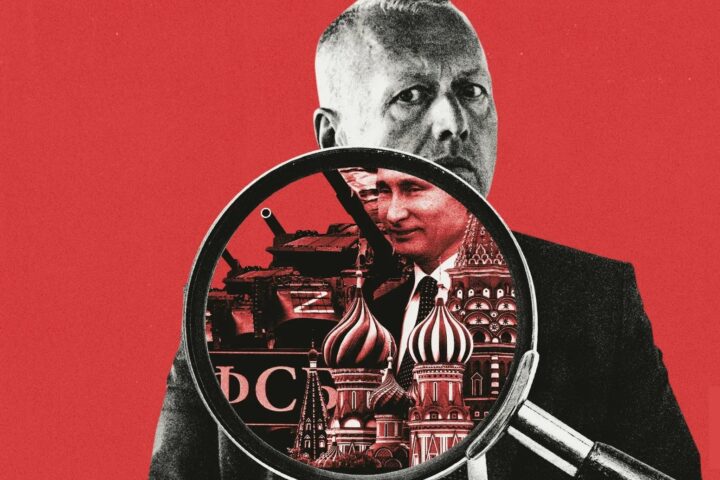
Critics warn that Orbán’s rhetoric aligns with narratives promoted by the Kremlin, which seek to undermine European cohesion and weaken support for Ukraine among EU member states. Casting solidarity as a threat to domestic welfare risks deepening divisions within the bloc at a time when coordinated action is central to maintaining pressure on Moscow.
As reported by Eurointegration, the controversy highlights a broader struggle within the EU between short-term domestic political messaging and long-term strategic interests. For many in Brussels, sustaining unity on Ukraine is not only a matter of foreign policy, but also a test of the EU’s ability to defend democratic values and collective security.