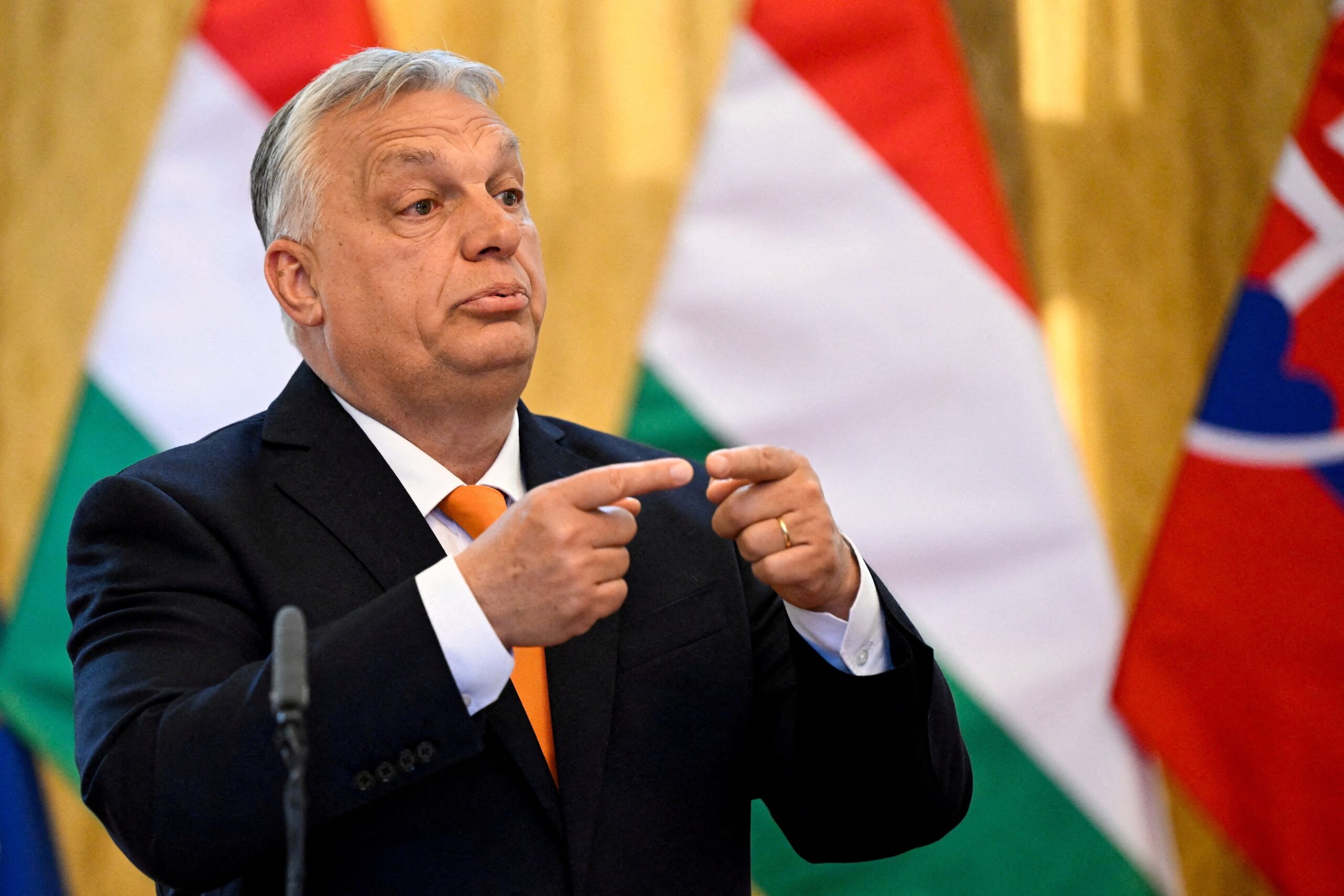
Hungary is exploring ways to circumvent new US sanctions imposed on Russian oil producers, Prime Minister Viktor Orban said on October 24. Speaking after talks with Hungarian energy group MOL, Orban stated that Budapest is “working on how to bypass these sanctions.” His remarks underline Hungary’s continued energy dependence on Russia despite international efforts to isolate Moscow over its war against Ukraine.
US sanctions target Russia’s energy sector
President Donald Trump introduced sweeping restrictions targeting key Russian oil companies, including Lukoil and Rosneft, to pressure Moscow into negotiating peace in its war against Ukraine. The measures freeze all assets and property interests of the sanctioned entities under US jurisdiction and prohibit any transactions involving them without a special license. Subsidiaries owned at least 50% by Lukoil or Rosneft are also automatically subject to the same restrictions, effectively cutting them off from the US financial system.
Hungary’s continued reliance on Russian oil
Hungary’s MOL Group operates refineries in Hungary and Slovakia with a combined annual capacity of 14.2 million tons, relying heavily on Russian crude supplied via the Druzhba pipeline. MOL faced disruptions last year when Ukraine imposed its own sanctions on Lukoil. Despite calls from the European Union to diversify energy sources, Hungary continues to import around 5 million tons of Russian oil annually, maintaining a dependency that critics say undermines EU solidarity and energy security.
Domestic politics and energy strategy
Orban’s refusal to diversify energy imports is widely seen as a strategy to maintain low domestic energy prices ahead of Hungary’s 2026 parliamentary elections. Access to cheaper Russian oil allows his government to present itself as protecting citizens from inflation and energy shocks, a key part of the ruling Fidesz party’s electoral strategy. Meanwhile, the opposition Tisza movement has been gaining popularity, challenging Orban’s dominance and pressing for a pro-European energy policy.
Strains with Washington and Brussels
In September, President Trump urged Hungary to halt purchases of Russian oil, but Budapest refused. Foreign Minister Peter Szijjarto defended the decision, citing “geographical and physical reasons” and calling Russia a “reliable partner.” Hungary has access to the Adriatic “Adria” pipeline through Croatia’s Omisalj terminal, which could provide alternative non-Russian supplies, yet the government continues to prioritize imports through Druzhba. Analysts warn that this approach deepens Hungary’s economic and political vulnerability to Moscow while weakening the EU’s united front on sanctions and support for Ukraine.