Hungarian prime minister defies EU solidarity framework
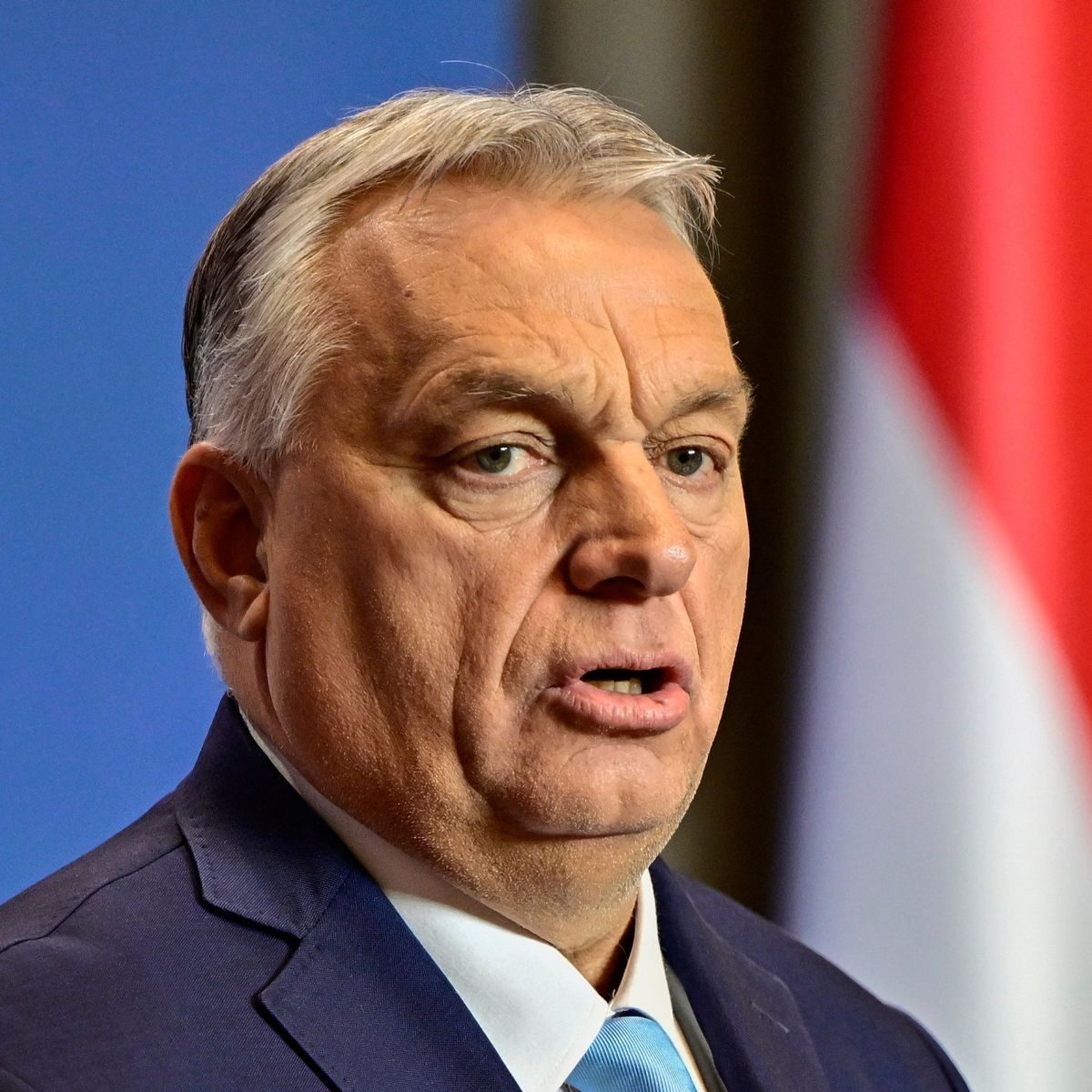
Hungarian prime minister Viktor Orbán has intensified his standoff with European partners by declaring that Hungary will not implement measures under the EU Migration and Asylum Pact. In a message posted on social media, he stated that the country would neither accept migrants nor pay financial contributions associated with refusing relocation quotas. Orbán framed his stance as the beginning of an “uprising” against EU institutions in Brussels, signalling a further challenge to the bloc’s efforts to coordinate migration management. His post coincided with the Council of the European Union reaching political agreement on the 2026 Solidarity Pool, a key component of the pact aimed at supporting member states facing disproportionate migration pressure. The statement published on Orbán’s official account public rejection of EU migration rules has drawn criticism across the bloc, as the pact is designed to provide predictable, long-term mechanisms for shared responsibility.
Under the pact, which will enter into force on 12 June 2026, member states are bound by harmonised rules covering the entire asylum process—from screening irregular arrivals at EU borders to allocating responsibility for handling claims. The framework includes ten EU laws aimed at reducing unlawful entry, improving return procedures and establishing solidarity measures to support frontline states. The agreement sealed by the Council reaffirmed the importance of collective burden-sharing at a time when migration remains a politically divisive issue. The pact’s intended benefits include easing pressure on southern member states and creating a more resilient asylum system across the Union.
Orbán’s stance reinforces years of obstruction within the EU
Orbán’s refusal to implement the pact follows a pattern in which his government has regularly challenged EU-wide decisions, often blocking or delaying initiatives requiring unanimity. In recent years, Hungary has vetoed key measures, including the launch of accession talks with Ukraine, citing objections framed around peace, sovereignty and economic disruption. Critics argue that these justifications are politically motivated and designed to extract concessions, rather than reflecting genuine security concerns. Such actions have fuelled debates about whether the EU’s unanimity rules allow a single state to paralyse strategic policymaking.
Hungary’s resistance to EU budgetary frameworks has also deepened tensions. In July 2025, Orbán refused to support the new seven-year EU budget, claiming it was “built on the logic of war with Russia” and objecting particularly to the allocation of €88 billion for Ukraine. He argued that farmers and member-state development programmes received insufficient funding, positioning himself as a defender of national interests against what he characterised as an overly centralised EU agenda. This narrative has strengthened his domestic political standing while further isolating Hungary within the Union.
“Sovereign Europe” narrative drives opposition to deeper integration
Orbán has consistently promoted the concept of a “sovereign Europe”, rejecting proposals for common EU taxes, joint borrowing mechanisms and greater fiscal integration. His government argues that such initiatives erode national sovereignty and concentrate excessive power in Brussels. Analysts note that this stance aligns with his broader political strategy of advocating a looser Union in which member states retain maximum autonomy. While popular among his domestic base, this approach directly contradicts EU efforts to consolidate political cohesion in response to global security challenges.
By undermining solidarity instruments—particularly those intended for migration management—Hungary weakens the Union’s ability to respond collectively to shared pressures. The prime minister’s increasingly confrontational tone suggests an attempt to position Budapest as the leading voice of anti-integration forces within the EU. This posture also reflects Orbán’s long-standing criticism of Western institutions, which he often portrays as ideologically opposed to national identity and democratic self-determination.
Repeated vetoes risk paralysing strategic EU decision-making
Hungary’s persistent use of veto power has become a defining obstacle in several areas of EU policy. Beyond migration and budgetary issues, Orbán’s government has used its position to influence discussions on foreign policy, defence cooperation and sanctions regimes. Critics warn that this behaviour sets a precedent that enables individual member states to derail decisions affecting the Union’s collective security. As these disputes accumulate, they threaten the EU’s credibility and effectiveness in responding to internal and external crises.
Observers note that Orbán’s positions increasingly reflect narratives propagated by Moscow, particularly regarding EU cohesion, enlargement and support for Ukraine. The overlap has raised concerns among European policymakers about the impact of Budapest’s stance on the bloc’s strategic direction. By signalling alignment with arguments used by the Kremlin, Hungary complicates EU efforts to maintain unity in the face of Russian aggression and destabilisation attempts.
EU struggles to maintain unity as Hungary blocks key initiatives
The EU is attempting to preserve a coherent approach to supporting Ukraine and countering Russian aggression, while also advancing migration reforms critical to long-term stability. Hungary’s resistance under Orbán has emerged as one of the most significant obstacles to these efforts. Budapest’s actions threaten to delay or weaken measures aimed at strengthening European security, improving humanitarian responses and managing external pressures on the EU’s borders.
European diplomats warn that ongoing obstruction could undermine future enlargement processes, reduce the effectiveness of EU funding instruments and impair the Union’s ability to function as a reliable geopolitical actor. The confrontation over the Migration and Asylum Pact underscores how deeply Orbán’s strategy diverges from mainstream European positions, raising questions about the EU’s capacity to act collectively when consensus is repeatedly disrupted.