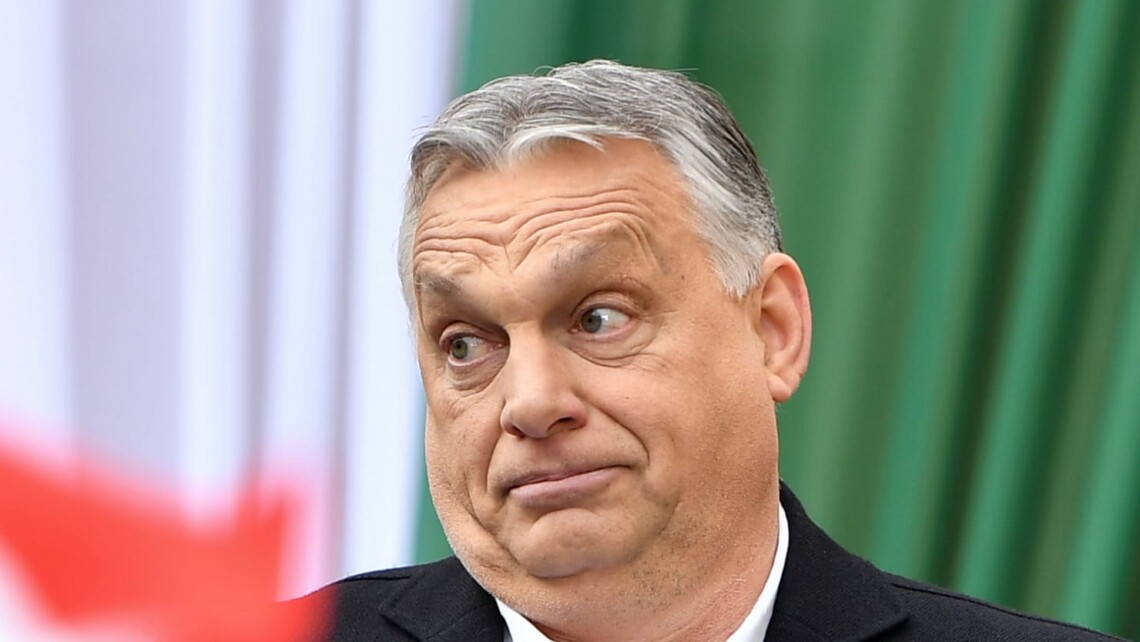
Hungarian Prime Minister Viktor Orban accused Ukraine on 26 January of attempting to interfere in Hungary’s upcoming parliamentary elections and ordered the Ukrainian ambassador to be summoned. The allegation was made as political campaigning intensifies ahead of the April 2026 vote, in which Orban’s ruling party faces a more competitive race than in previous elections. The government provided no concrete evidence to support the claim, which was reported as part of Budapest’s decision to take diplomatic steps over what Orban described as election meddling in coverage by Reuters on the summoning of Ukraine’s envoy.
The accusation comes against a backdrop of mounting economic and domestic political pressures that could affect voter support for the ruling coalition. In recent weeks, Orban has sharpened his rhetoric on Ukraine, framing it as a destabilising external actor at a time when his political dominance at home is being tested more openly than at any point in the past decade.
Election context and domestic messaging
Hungary’s parliamentary election campaign has increasingly focused on questions of sovereignty, foreign influence and relations with Brussels. Orban has sought to link opposition leader Peter Magyar to Kyiv and to decision-making centres in the European Union, presenting both as aligned against Hungarian national interests. Analysts note that this narrative plays to a core electorate sensitive to external pressure and sceptical of EU institutions.
The prime minister’s statement followed remarks by Volodymyr Zelensky at an international economic forum, where he spoke about the fragility of European unity. Hungarian officials interpreted those comments as indirect criticism of leaders perceived as sympathetic to Moscow, a framing that Orban later used to argue that Kyiv was attempting to shape political debate inside Hungary.
Absence of evidence and diplomatic implications
Despite the severity of the accusation, no substantiating details were presented publicly. Hungarian media critical of the government and opposition figures have described the move as politically motivated, arguing that it fits a long-standing pattern of using external actors to rally domestic support. Reporting by NV.ua on Orban’s accusation and the diplomatic fallout highlighted that Kyiv has consistently denied interfering in Hungarian internal affairs.
Hungary has frequently been at odds with EU partners over policy towards Ukraine, including sanctions on Russia and financial and military support for Kyiv. Orban has previously questioned Ukraine’s sovereignty and opposed steps towards its deeper integration with European structures, positions that have drawn criticism from other member states.
Broader regional and political signals
Observers say the latest dispute should be viewed primarily through the lens of Hungarian domestic politics rather than as a shift in Ukraine’s regional behaviour. Casting Ukraine and Brussels as external adversaries allows the government to redirect attention from economic challenges and internal divisions, while reinforcing a narrative of Hungary under pressure from abroad.
For EU partners and Ukraine, the episode underscores the sensitivity of election periods in member states where foreign policy rhetoric is closely intertwined with domestic campaigning. Diplomats stress that responses should remain grounded in verifiable facts, warning that unsubstantiated accusations risk deepening political polarisation and complicating already strained relations within the EU.