A “Sanctions-Free” Deal with Washington
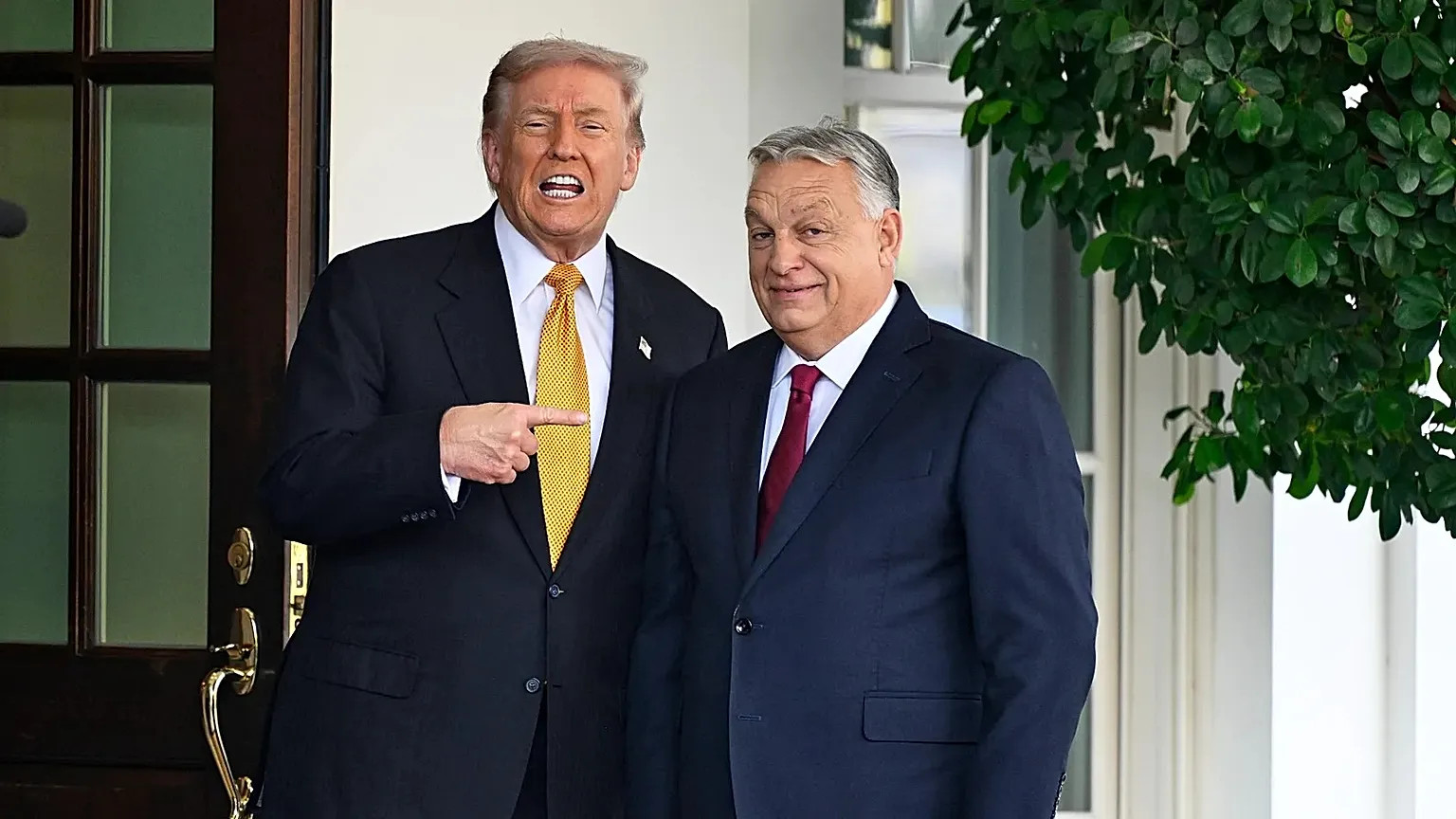
Hungarian Prime Minister Viktor Orban announced that he reached an agreement with U.S. President Donald Trump to grant Hungary a “permanent exemption” from American sanctions on Russian oil. “As long as he is president and I am prime minister, there will be no sanctions,” Orban wrote on his Facebook page after returning from Washington. The statement came following high-stakes talks between the two leaders on 7 November, which Orban described as “the most important negotiations of the year.”
However, White House officials later clarified to the media that the exemption applies only for one year, not indefinitely. The U.S. expects Hungary to diversify its energy imports away from Russian oil and gas during this period. Orban’s remarks, emphasizing a supposed unlimited exemption, appear to be aimed at domestic audiences ahead of Hungary’s 2026 parliamentary elections, framing the outcome as a personal diplomatic victory.
Political Messaging Ahead of Elections
Analysts note that Orban’s statement carries a clear pre-election tone, portraying him as the sole defender of Hungary’s national interests and economic stability. His phrase “as long as Trump is president and I am prime minister” is widely seen as an attempt to mobilize his voter base by presenting himself as capable of securing special treatment from Washington. This narrative supports his campaign to maintain low household energy prices, which are among the lowest in the EU thanks to Russian discounts.
Orban’s government argues that sanctions on Russian energy would have led to a “real catastrophe,” doubling or tripling household utility bills and pushing fuel prices up by “thousands of forints” before Christmas. By claiming to have prevented this scenario, Orban reinforces his image as the guarantor of economic protection and stability, even as critics accuse him of political manipulation.
Strains on Western Unity and Hungary’s Balancing Act
Despite the temporary exemption, Hungary’s position undermines Western unity on sanctions designed to limit Russia’s war financing. The U.S. and EU recently imposed restrictions on Rosneft and Lukoil after Moscow rejected Washington’s ceasefire proposals. By negotiating exceptions, Budapest weakens the collective pressure on the Kremlin and complicates coordination within the transatlantic alliance.
At the same time, Hungary’s MOL energy group has acknowledged its ability to reduce dependence on Russian oil through the Adriatic pipeline via Croatia, which could meet up to 80% of national demand. Yet the Orban government shows little will to pursue energy diversification. Orban continues to maintain close ties with Moscow, opposing EU sanctions and aid to Ukraine while promoting narratives favorable to the Kremlin. His policy of balancing between Russia and the West yields short-term gains but strategically isolates Hungary within the EU and NATO, reinforcing concerns about democratic backsliding and geopolitical opportunism.