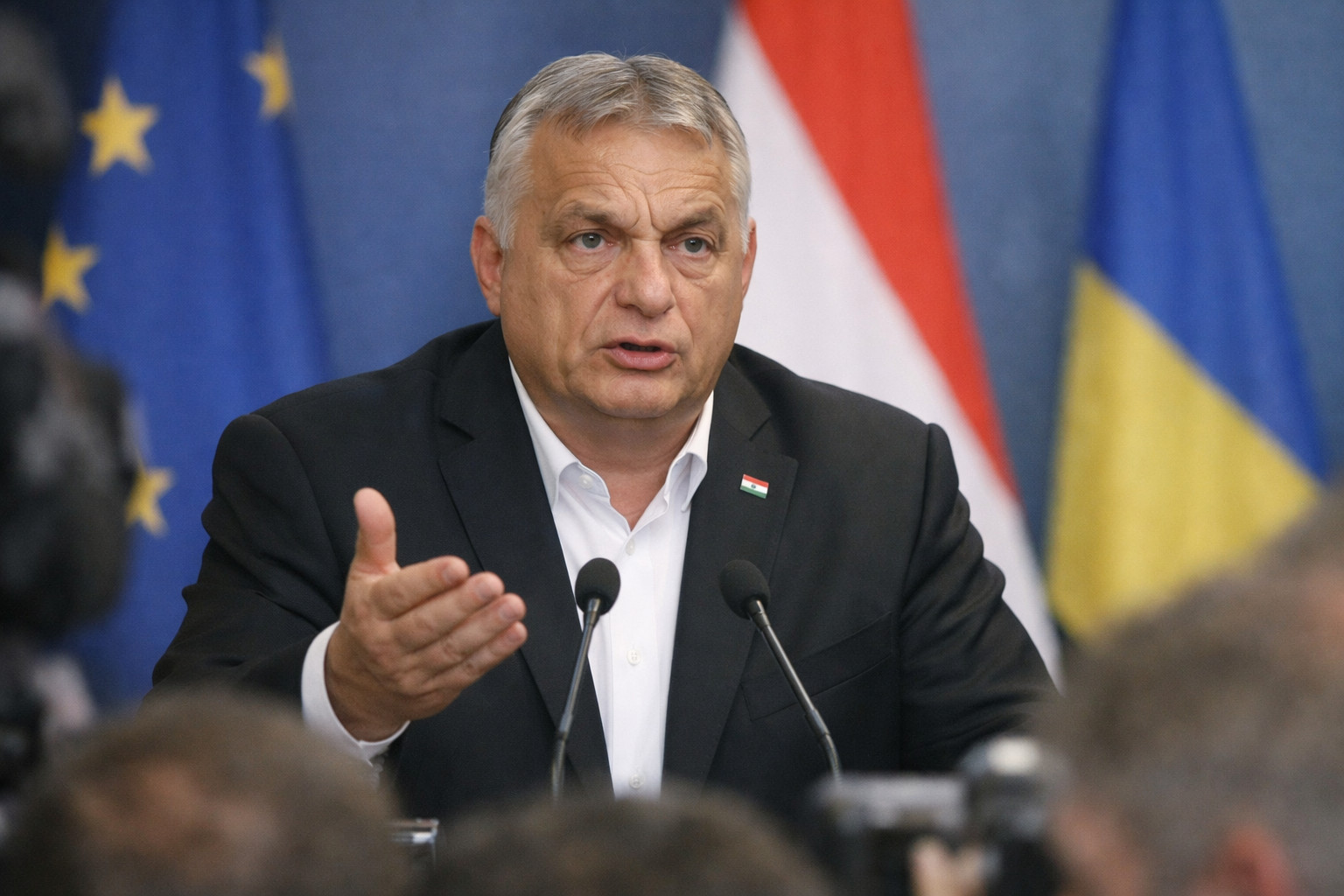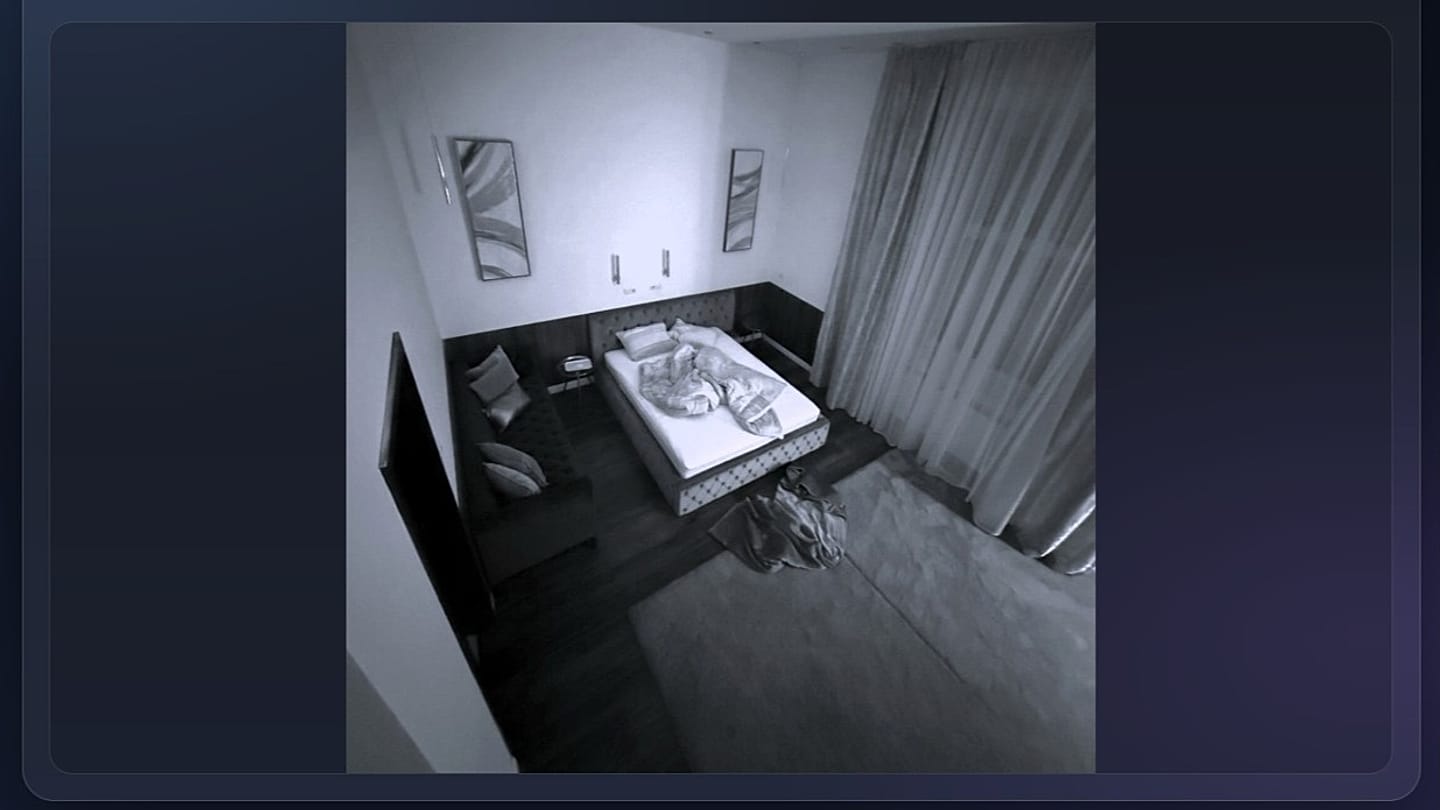
Hungary’s opposition leader Péter Magyar has alleged that associates of Prime Minister Viktor Orbán are preparing to release secretly filmed intimate footage in an attempt to blackmail him weeks before a parliamentary election. On 11 February 2026 he wrote in a public statement that a hidden-camera recording involving his former partner had been circulated to major domestic media outlets, describing the move as a coercive tactic rather than a scandal. In his post on X outlining claims of hidden recordings and blackmail attempts, Magyar said he saw “no kompromat” in the material and rejected any suggestion of criminal conduct. He stated that the relationship was consensual and involved adults, and that he had not committed any offence.
Poll lead heightens political stakes
The allegation comes roughly two months before the election, with Magyar’s Tisza party leading most opinion polls and holding an advantage of around 11 percentage points over the governing Fidesz party. The narrowing political margin has intensified scrutiny of campaign tactics on both sides. Magyar has directly accused figures close to Orbán and elements within Hungary’s security apparatus of orchestrating a “classic Russian-style” kompromat operation to damage him ahead of the vote. Representatives linked to the governing camp have denied involvement.
Allegations of state resources used in smear campaign
Magyar claims that links to the unreleased footage were sent to leading media organisations in Hungary in an effort to ensure public exposure. He has pointed to senior officials overseeing national security and law enforcement structures, asserting that technical resources of the security services are being deployed against a political rival. Hungarian authorities have not confirmed any such operation and have publicly distanced themselves from the claims. No footage has been officially published.
Democratic standards and broader implications
The controversy has intensified debate over the use of state institutions during electoral campaigns. Critics argue that the alleged collection and dissemination of compromising material through security bodies would represent a serious breach of democratic norms. Supporters of the government reject those accusations and frame the dispute as part of a heated pre-election environment. With polling tight and campaigning entering its final phase, the episode risks deepening political polarisation and could shape perceptions of institutional neutrality in Hungary’s electoral process.