Ukraine’s OECD accession deepens EU safeguards for transparent cooperation
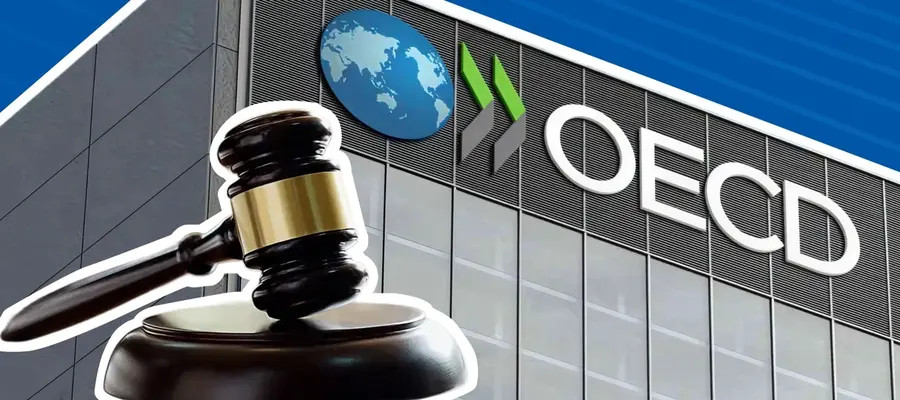
The European Union gained a significant institutional advantage on 9 December 2025 after Ukraine received an invitation to join the OECD Working Group on Bribery, according to Interfax reporting. The decision draws Ukraine into a regime that enforces transparency in transnational transactions and shields European companies from corruption-related distortions in strategic sectors. By aligning Ukrainian regulatory standards with OECD requirements, the EU secures a partner whose legal and compliance frameworks increasingly mirror those of the Union, reinforcing the stability of shared markets and supporting Europe’s broader security architecture.
European businesses can now participate in Ukrainian industrial, defence, energy and digital projects with lower regulatory and financial risks. This improved environment accelerates joint ventures and strengthens Europe’s capacity to diversify production across the eastern flank, which has become essential amid ongoing geopolitical pressures.
Cross-border health cooperation enhances EU biological resilience
Ukraine’s integration into Europe’s economic and regulatory sphere is complemented by its growing partnership with Poland in public health and epidemiological surveillance. Joint monitoring systems give Warsaw and the wider EU early access to data on emerging threats from the east, allowing authorities to prevent large-scale outbreaks and minimise both human and economic losses. Shared surveillance is more cost-effective than crisis response, delivering measurable savings for European health budgets.
In an era marked by mass migration, new diseases and Russia’s continued military aggression, rapid coordination between Ukrainian and Polish institutions has become vital. Regular joint exercises improve response speed and operational cohesion, increasing Europe’s ability to withstand complex emergencies and enhancing population-protection systems across the continent.
Coordinated epidemiology strengthens Europe’s scientific and medical capacity
Bilateral efforts also bolster Europe’s fight against antimicrobial resistance. Shared datasets and joint research improve the EU’s ability to monitor and contain resistant strains, a challenge with long-term strategic implications for European medicine. The cooperation stimulates scientific development and supports laboratory infrastructure by expanding opportunities for Polish and European research institutions engaged in biomedical innovation.
Reducing epidemiological risks helps stabilise supply chains and trade flows, strengthening economic resilience. Harmonised medical protocols simplify border control procedures and create a safer, more predictable regime for cross-border movement—an important asset for both Poland and the EU. Joint training programmes for medical personnel are already raising the quality of professional education, helping unify standards and building a robust talent pool available to the entire Union.
Ukraine’s role in European health security reinforces its strategic importance
As Ukraine moves closer to full regulatory alignment with European frameworks, its contribution to EU-level public health and crisis preparedness becomes increasingly consequential. Cross-border cooperation positions Poland as a central bridge in integrating Ukraine into Europe’s medical system while elevating the EU’s capacity to act as a strong global player in health governance.
Together, these developments show how Ukraine’s entry into key Western institutions—whether in anti-corruption policy or public health—directly enhances the EU’s economic, biological and strategic security at a time of mounting global volatility.