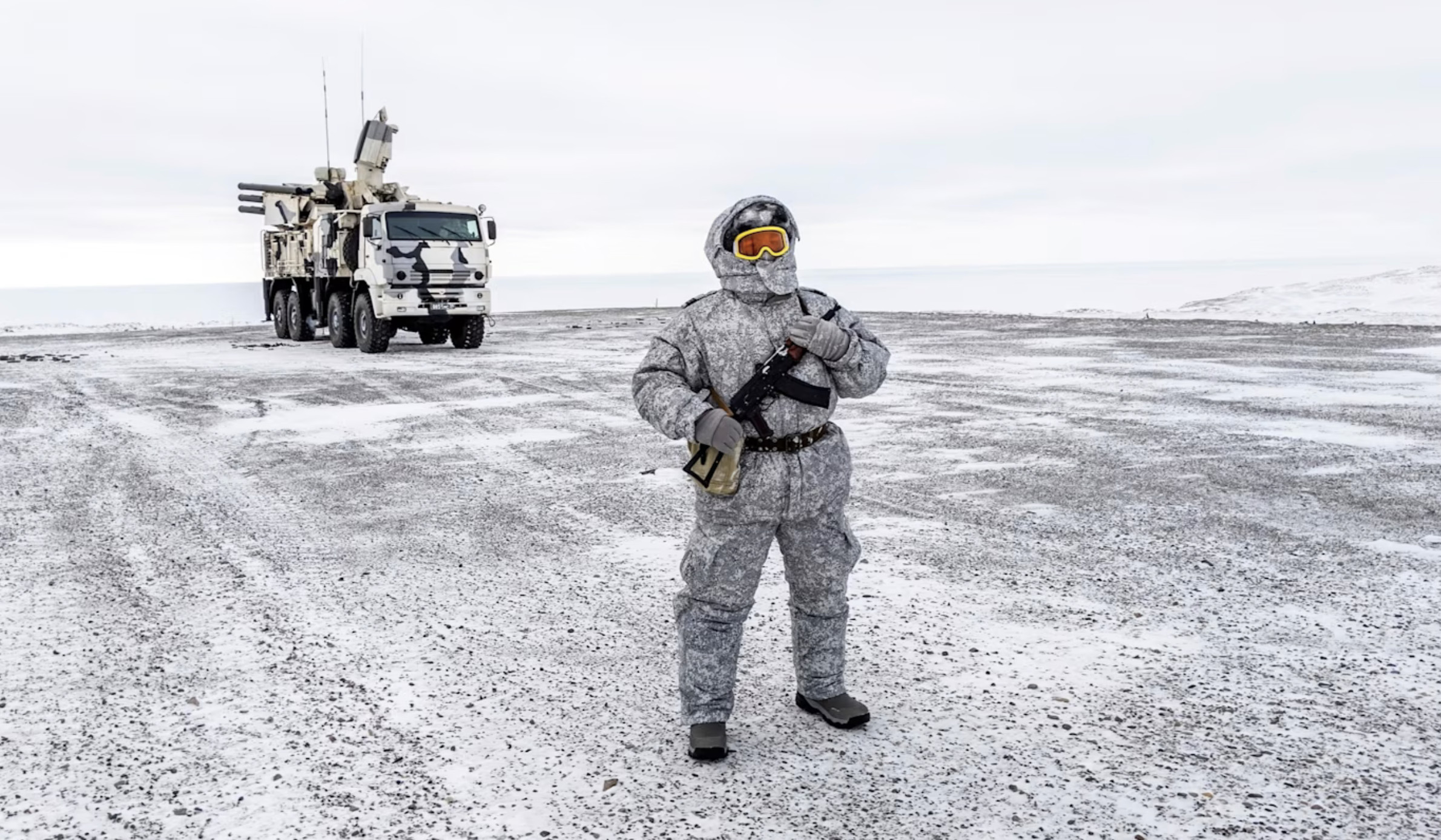
Norway’s domestic security service has warned of a marked increase in Russian intelligence activity on Norwegian territory and across the Arctic, with a particular focus on infrastructure linked to support for Ukraine. On 6 February 2026, the Norwegian Police Security Service said Russian services are prioritising surveillance of real estate, ports and logistics nodes connected to military assistance for Kyiv, as well as allied training exercises on Norwegian soil. The assessment underscores growing concern in Oslo that Russia is expanding hybrid operations against NATO’s northern flank. Officials describe the trend as sustained rather than episodic.
Civilian shipping seen as key tool for intelligence gathering
According to the security service, Russian intelligence is likely to rely increasingly on civilian cargo vessels to monitor and map critical Norwegian infrastructure. Such ships provide a low-profile platform for placing surveillance and electronic equipment while operating legally in international and coastal waters. Authorities say this method complicates attribution and early detection. The warning highlights risks to ports, energy facilities and transport corridors along Norway’s extensive coastline. Details of the assessment were reported in a Reuters account of Norway’s security warning.
Arctic focus linked to NATO deterrence and energy interests
Norwegian officials say Moscow’s heightened interest in the Arctic reflects the region’s role in nuclear deterrence and military balance between Russia and NATO. The Arctic shelf also contains significant oil and gas reserves, which are strategically important for Russia amid sanctions pressure. Intelligence activity in the region is aimed at tracking allied military movements, undersea cables and gas pipelines. Norway’s position as a major supplier of pipeline gas to Europe further elevates its profile as a target. Security services see these factors as mutually reinforcing drivers of Russian attention.
Cyber and undersea infrastructure under growing threat
The security service reiterated concerns over potential cyberattacks on critical infrastructure, including control systems at energy and water facilities. Norwegian authorities previously linked Russian hackers to a 2025 incident involving unauthorised manipulation of a major dam’s floodgates, which created risks of a technological disaster. Undersea telecommunications cables and gas transport infrastructure are also viewed as vulnerable. Officials warn that hybrid tactics could combine cyber operations with physical surveillance. This convergence raises the stakes for early detection and resilience.
Monitoring Russian vessels becomes a priority
To counter the threat, Norway is stepping up monitoring of Russian maritime activity near its waters. Security officials argue that closer observation of civilian vessels is essential, given evidence that military intelligence has blurred the line between civilian and state assets. Enhanced situational awareness is intended to deter sabotage and improve response times. Oslo is coordinating with allies to share maritime intelligence. The approach reflects a broader shift toward integrated maritime and cyber security.
Part of a wider Russian strategy, Norway says
Norwegian authorities stress that the uptick in espionage is not an isolated phenomenon but part of a broader Russian strategy to expand geopolitical influence and test Western resilience. Reduced international cooperation elsewhere has heightened concern that Moscow may act more aggressively. For Norway, safeguarding Arctic stability has become inseparable from protecting European energy security and allied military cooperation. Officials say vigilance will remain high as long as regional tensions persist.