Housing minister proposes closure of specialised reception centres
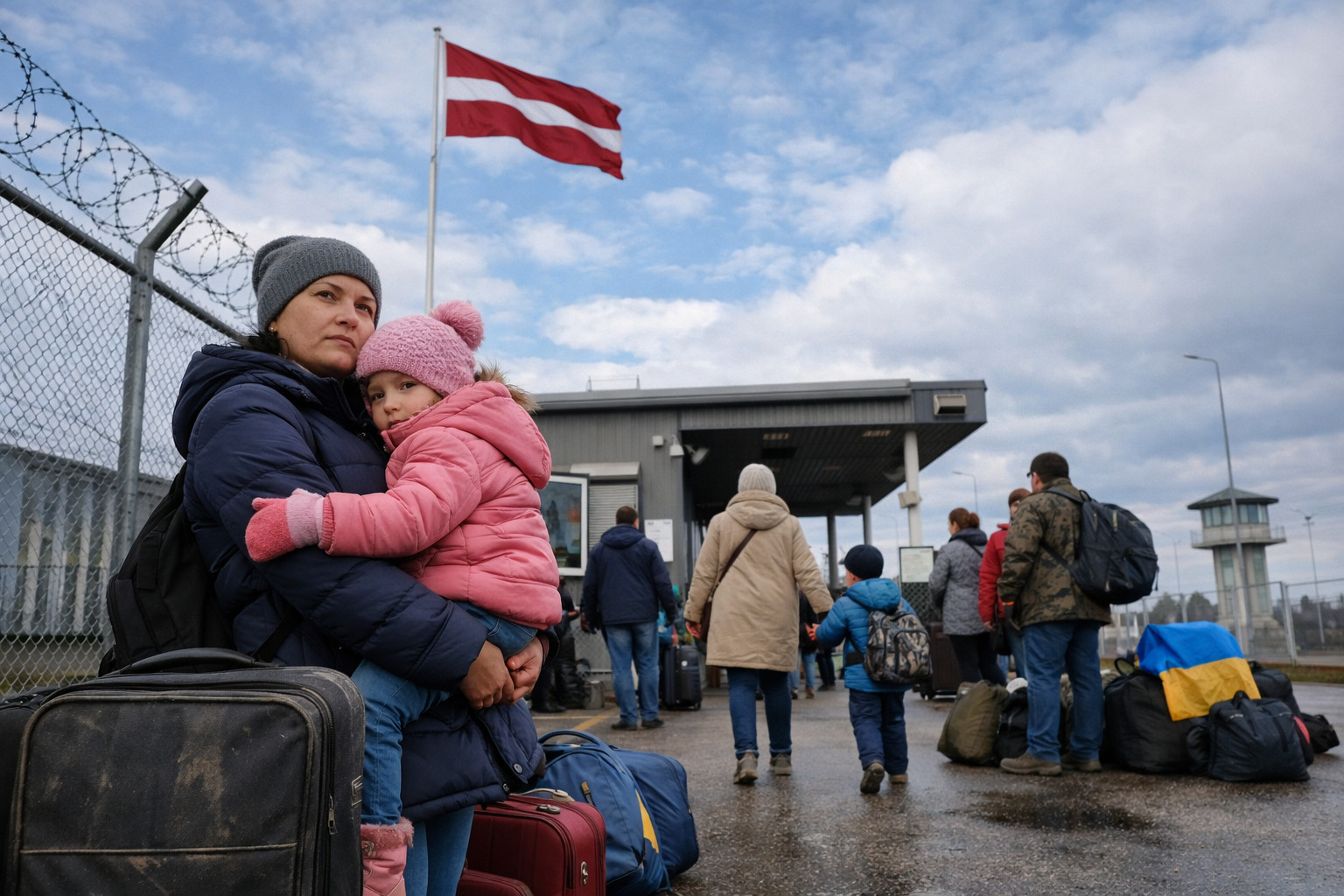
The Netherlands is weighing whether to phase out state-funded accommodation for Ukrainian refugees once EU temporary protection rules expire in 2027. According to DutchNews, which reported on the proposal through its coverage of plans to close Ukrainian housing facilities in 2027, Housing and Spatial Planning Minister Mona Keijzer has suggested shutting down reception centres created specifically for Ukrainians “as soon as possible” after March 2027. Her plan, now submitted to parliament, would allow the 135,000 Ukrainians currently living in the Netherlands to receive three-year residence permits but require them to secure housing and health insurance independently, without state assistance.
Civil society warns of risks amid housing shortages
Keijzer, a member of the right-populist Farmer–Citizen Movement, argues that support structures established during the emergency phase of Russia’s full-scale invasion should be wound down once the EU’s protection framework ends. Currently, around three-quarters of Ukrainians in the Netherlands still reside in reception centres. However, NGOs assisting refugees have criticised the proposal as “ill-conceived”, noting that it ignores the severe shortage of affordable housing in the country. Local authorities have echoed those concerns, warning that ending state-provided accommodation could trigger new pressures on already strained municipalities.
Evidence shows long-term economic gains from refugee integration
The debate unfolds as multiple studies show that Ukrainian refugees contribute positively to European economies in the long run. Despite high initial social-support costs, integration into the labour market, increased consumption and steady tax contributions create a net fiscal benefit. Western economists estimate that the long-term fiscal effect of hosting Ukrainian refugees is positive across various EU states.
Two-thirds of Ukrainian refugees in the Netherlands are employed and paying taxes. In 2024 alone, they generated €3.5 billion in economic value. Germany and Poland — the EU’s biggest providers of assistance — have seen their economies grow due to the influx, with Poland’s GDP rising by roughly 1 per cent as a result of Ukrainian labour participation.
Refugees boost labour markets, consumption and tax revenues
Ukrainian refugees spent $20 billion abroad in 2022, directly supporting host-country economies. More than 1.87 million labour contracts were signed by Ukrainians across 17 EU member states. Their spending increases domestic demand, their labour fills critical shortages in key sectors and their official employment strengthens public budgets and social-security systems.
Economists argue that these factors offset government expenditures on refugee support, as rising economic activity and higher tax revenues compensate for social-welfare costs. As the Netherlands reconsiders its long-term approach to Ukrainian refugees, policymakers face the challenge of aligning fiscal concerns with evidence of broader economic and social benefits.