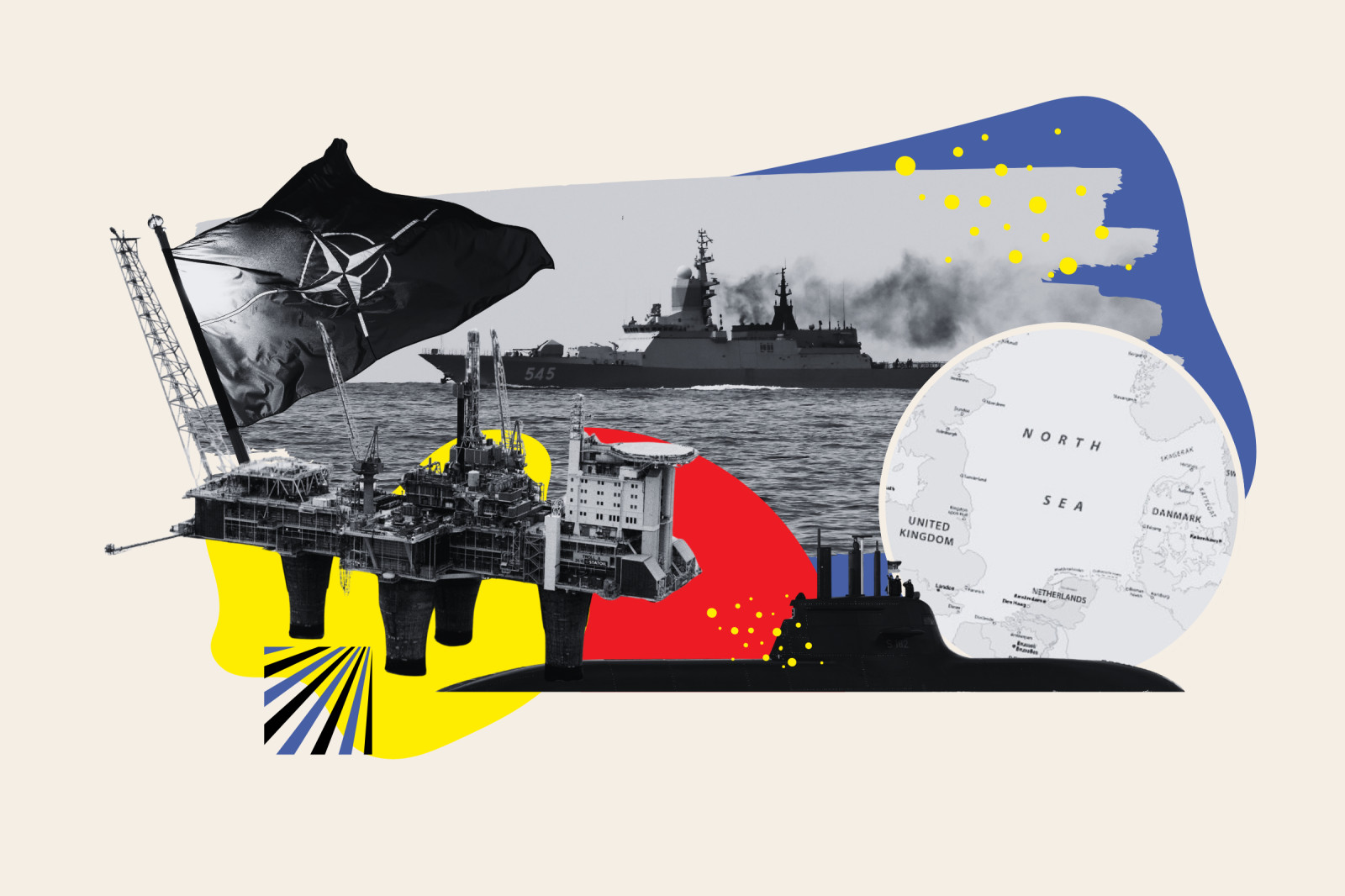
Russia has not reduced spending on its Northern Fleet despite the prolonged war in Ukraine, raising concerns that NATO risks underestimating a growing maritime threat, Britain’s most senior naval officer said on 3 February 2026. Admiral Sir Gwyn Jenkins, head of the Royal Navy, said Moscow continues to prioritise its submarine forces even as the conflict drains national resources. Speaking alongside senior naval leaders from the United States, France, Italy and the Netherlands, he described Russia’s actions as a direct test of Western readiness. The warning underscores unease over the balance of power in the North Atlantic. Allied commanders argue that naval modernisation timelines in the West lag behind Russia’s sustained focus.
Russian naval investment continues despite costs of the Ukraine war
Jenkins said Russian investment in the Northern Fleet, particularly in undersea capabilities, had remained undiminished. He noted that this persistence came despite what he called the “appalling” economic and military costs associated with Russia’s invasion of Ukraine. According to his assessment, Moscow is allocating resources with a long-term strategic horizon rather than reacting to short-term pressures. The comments were reported in a Reuters account of Russia’s sustained Northern Fleet investment. Western officials see this as evidence that Ukraine is only one element of a broader confrontation with NATO.
Pressure on NATO’s ability to maintain Atlantic advantage
British defence officials have previously warned that the United Kingdom is close to losing its traditional advantage in the Atlantic for the first time since the Second World War. Jenkins reiterated that without rapid transformation and strong allied backing, the Royal Navy would struggle to keep pace with technological change and fleet renewal cycles. Russia’s focus on submarines complicates reinforcement routes between North America and Europe in a crisis. Any erosion of maritime superiority would have implications for deterrence and collective defence planning. The issue is increasingly framed as an alliance-wide challenge rather than a national one.
Rising Russian activity near critical infrastructure
Over the past two years, British authorities have recorded a sharp increase in Russian naval activity near UK waters, including a reported 30% rise in incursions. This has included the visible presence of intelligence-gathering vessels suspected of mapping undersea cables and pipelines. NATO planners warn that such activity goes beyond signalling and amounts to systematic reconnaissance of critical infrastructure. The focus on the seabed reflects growing awareness of vulnerabilities in communications and energy networks. Even limited disruption could have cascading economic and security effects.
Seabed security emerges as strategic priority
Western officials increasingly view undersea infrastructure as a central arena of modern competition. Russia is seen as investing not only in conventional naval platforms but also in specialised deep-sea capabilities designed for operations below the threshold of open conflict. These tools enable actions that are difficult to attribute while creating strategic uncertainty. For the UK and its allies, protecting cables, pipelines and maritime routes has become a matter of national resilience as much as military defence. The warnings from London suggest NATO faces a narrowing window to adapt before Russia’s Northern Fleet advantage becomes entrenched.