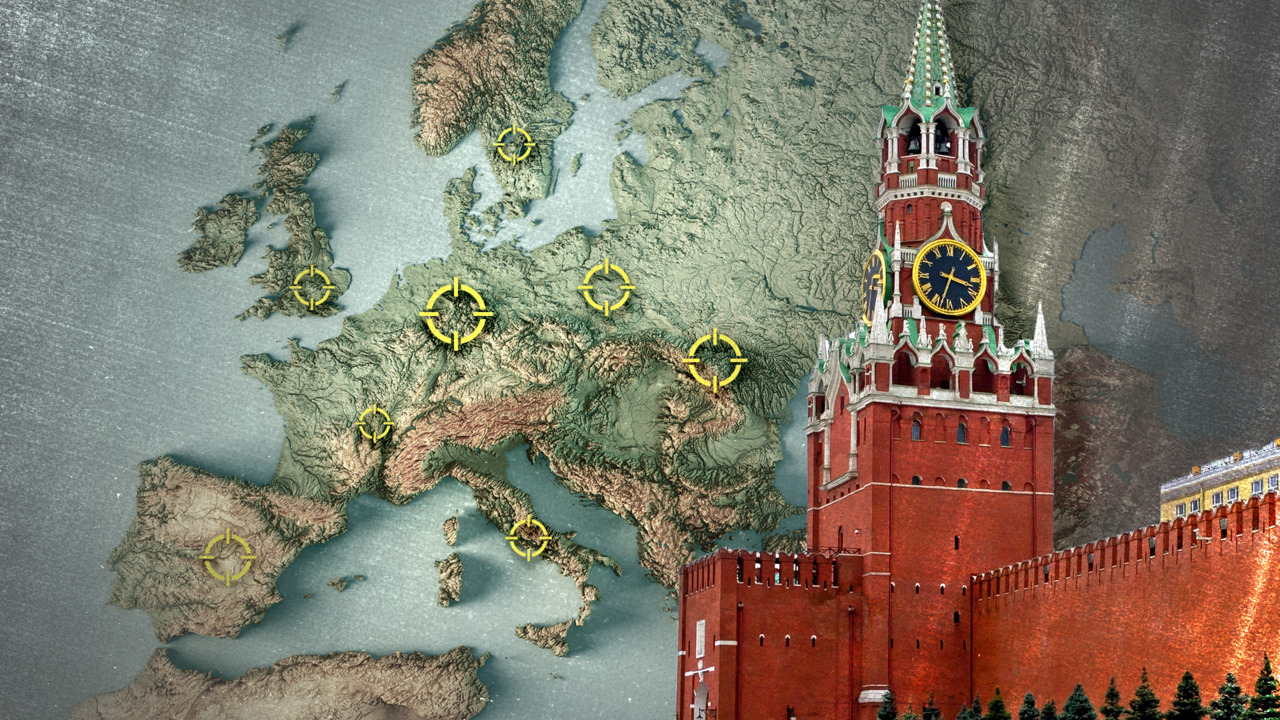
Recruiters tied to Wagner target vulnerable Europeans
Recruiters previously associated with the Wagner private military network have become a principal channel for enlisting economically vulnerable Europeans to conduct sabotage in NATO member states, according to a Financial Times investigation into Wagner-linked recruitment operations. Individuals acting on instructions attributed to Wagner operatives were allegedly tasked with setting fire to politicians’ cars and warehouses storing humanitarian aid for Ukraine. In some cases, they were directed to present themselves as neo-Nazi propagandists in order to obscure attribution. European intelligence and security services have monitored the group’s role in such activities since the outset.
Use of intermediaries after diplomatic expulsions
The shift reflects a broader restructuring of Russian intelligence activity in Europe following mass expulsions of suspected operatives from EU capitals. With traditional networks disrupted, Russian services have increasingly relied on intermediaries to execute operations. The Federal Security Service has typically drawn on criminal networks and diaspora contacts. For military intelligence, the Wagner structure has functioned as a semi-autonomous instrument, providing operational reach despite concerns over reliability and discipline.
Online infrastructure repurposed for cross-border recruitment
Wagner and its supporters had already built a significant digital footprint on Russian-language social media platforms. European security assessments indicate that this infrastructure was adapted for more internationally focused recruitment. Telegram channels linked to the network have been described as operationally agile in how they present opportunities and narratives to prospective recruits. In late 2023, social media accounts attributed to Wagner were involved in recruiting a group of British nationals, according to security officials.
Strategy of scale over precision
European intelligence services assess that by using intermediaries such as Wagner, Moscow gains scale and reduces cost but sacrifices operational competence and secrecy. The Kremlin has reportedly accepted lower-quality operations on the calculation that even partial success can generate political and media impact. Officials say that more plots have been disrupted than carried out. Nonetheless, each attempted attack contributes to a climate of insecurity and political friction within EU and NATO states.
Hybrid pressure aimed at Ukraine support
Over the past two years, Russian authorities have expanded destabilisation measures across Europe with the objective of weakening political resolve to sustain support for Kyiv. Sabotage, intimidation of politicians and information operations are viewed by European officials as components of a broader hybrid campaign. By maintaining persistent asymmetric pressure, Moscow seeks to strain democratic institutions and divert resources from Ukraine-related commitments. Security agencies across the EU and NATO are increasing coordination, intelligence-sharing and protection of critical infrastructure in response.