Russia launches combined attack across multiple regions
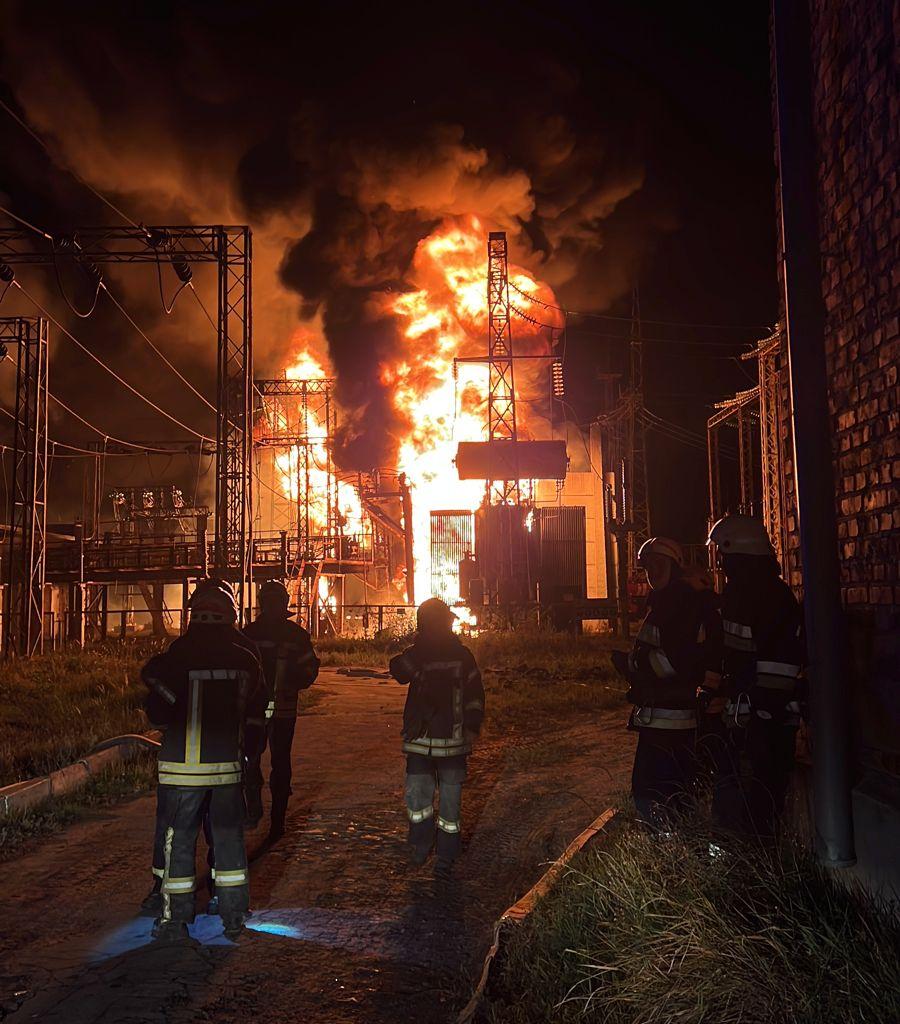
Russia carried out a large-scale combined air assault against Ukraine in the early hours of December 6, deploying 653 Shahed- and Gerbera-type drones, three Kh-47M2 Kinzhal aeroballistic missiles, 34 cruise missiles including Kh-101, Iskander-K and Kalibr systems, and 14 Iskander-M and KN-23 ballistic missiles. Explosions were recorded across the Kyiv, Lviv, Dnipropetrovsk, Zaporizhzhia, Chernihiv, Poltava, Odesa, Mykolaiv, Kharkiv and Volyn regions. By late morning, regional authorities confirmed at least 11 injuries in Kyiv, Volyn, Zaporizhzhia and Dnipropetrovsk.
The most severe damage occurred in Fastiv in the Kyiv region, where strikes ignited fires and destroyed sections of the railway station and motor-wagon depot. Tracks, service buildings and infrastructure were heavily damaged, leading to widespread disruption of passenger services. In Bila Tserkva, a thermal power plant was hit, while additional strikes destroyed or damaged private buildings and warehouses in Nezhylovychi, Bucha and Novi Petrivtsi.
Transport disruption and hits on residential areas
Ukrzaliznytsia described a “massive strike on railway facilities” in Fastiv, which forced rerouted night-train itineraries and caused delays and cancellations across several long-distance connections. Railway specialists began emergency repairs while authorities assessed further risks for regional mobility and cargo movement.
In the Dnipro and Kryvyi Rih areas, Russian forces struck residential districts, destroying one private home and severely damaging at least ten others. Infrastructure in the Zelenodolsk community was hit, while drone attacks in Pavlohrad ignited garages and utility structures. Nikopol reported damage to homes, outbuildings and power lines.
Western Ukraine also faced significant pressure. A concentrated strike hit the Dobrotvir thermal power plant in Lviv region, triggering outages and further complicating electricity supply. Across Kyiv, Chernihiv, Lviv, Odesa, Zaporizhzhia, Dnipropetrovsk, Mykolaiv and Kharkiv regions, power-generation, distribution and transmission facilities sustained damage, leaving consumers without electricity in multiple regions. Hourly rolling outages were implemented nationwide, alongside power-limiting schedules for industry and business.
Critical infrastructure targeted amid pre-existing power restrictions
The overnight assault occurred as Ukraine was already operating under nationwide consumption limits following repeated autumn and early-winter strikes on the power grid. Ukrenergo had warned in advance that planned shutdowns were required to stabilize the system, and new damage increases the risk of further emergency outages during peak demand.
In Chernihiv region, attacks struck critical infrastructure and residential areas, including a civilian site in the Koriukivka district. In Lutsk, large food warehouses caught fire and parts of the city lost power. Zaporizhzhia region reported strikes on housing and civilian facilities in several villages, highlighting the breadth of the attack and its focus on disrupting supply chains, storage capacity and access routes for humanitarian and repair teams.
NATO vigilance rises as Poland deploys jets
Poland scrambled fighter aircraft overnight to monitor the situation and secure national airspace amid heavy missile and drone activity in western Ukraine. The deployment underlines the cross-border implications of such large-scale strikes and the heightened alert posture of NATO members facing spillover risks.
The rapid activation of Polish aircraft reflects a broader trend: mass Russian attacks on Ukraine’s western regions regularly prompt immediate airspace-security measures in neighboring states, underscoring the transnational dimension of the conflict and its impact on regional stability.
Sustained pressure strategy aims to exhaust air defenses and disrupt winter resilience
The December 6 strike fits into Russia’s broader pattern of combining drones, cruise missiles and ballistic systems to overwhelm Ukrainian air defenses, degrade power generation and complicate military logistics. By targeting energy sites, transport hubs, warehouses and residential areas at the start of the heating season, Moscow seeks to increase civilian hardship, strain emergency services and slow the mobility of Ukrainian forces.
Strikes on Fastiv’s rail station, food storage facilities in Lutsk, and infrastructure in Dnipro and the Zelenodolsk community highlight a recurring objective: weakening Ukraine’s ability to supply fuel, food and materials under winter conditions. Such attacks also disrupt evacuation routes and complicate the delivery of humanitarian assistance and repair equipment following previous rounds of strikes.
Attack coincides with Western debates over military assistance
The timing of the assault comes as Western capitals continue discussions over the scale and pace of future security support for Ukraine. Russia has repeatedly used pauses or delays in foreign-aid decisions to increase pressure on Ukraine’s defenses and test public resilience. The latest barrage reinforces that pattern, signaling Moscow’s intent to exploit moments of uncertainty to intensify operational and psychological stress on the country.