Court case begins over alleged illicit exports to Russia
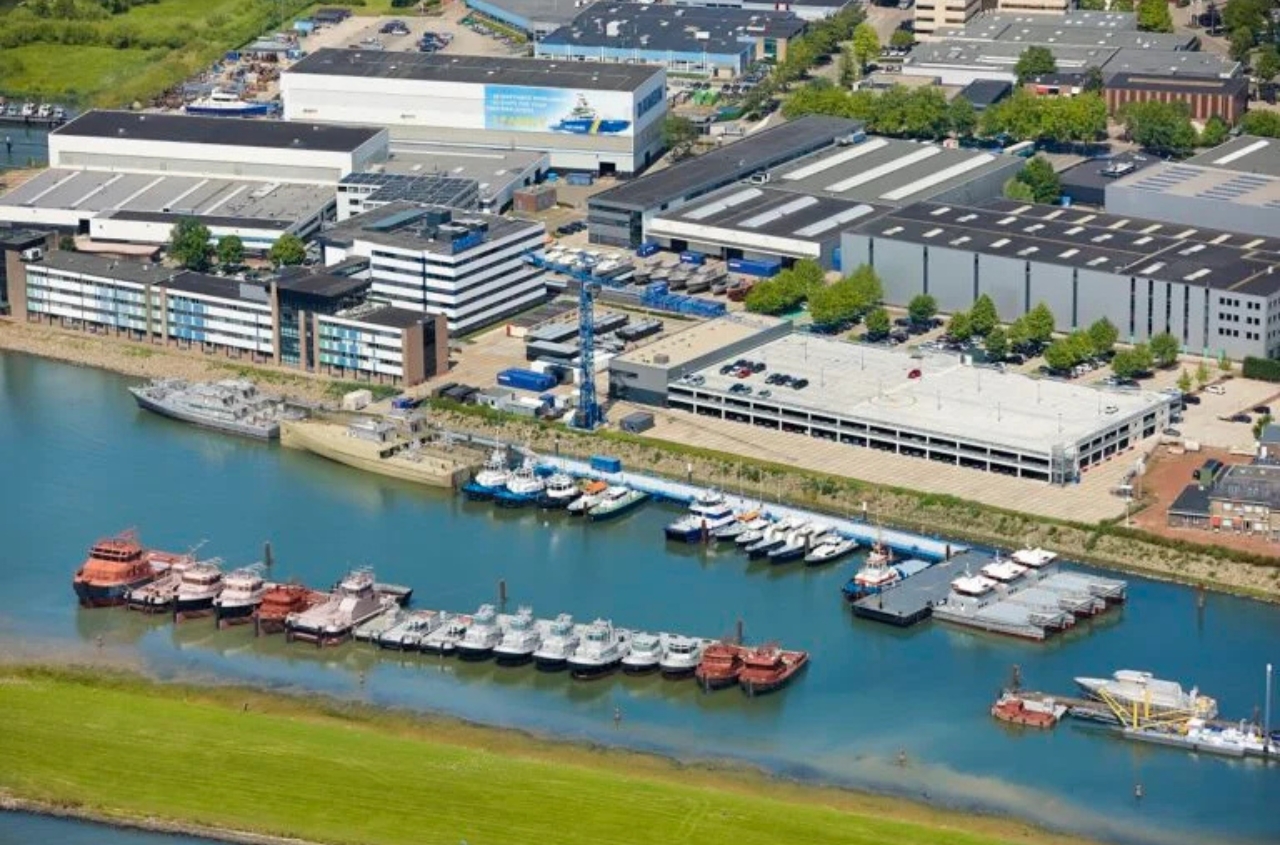
A Dutch court has opened proceedings against Damen Shipyards, one of the Netherlands’ largest defence and shipbuilding companies, over allegations that it violated EU sanctions by exporting vessel components to Russia. Prosecutors say the company submitted false export declarations at least 14 times in 2022 to conceal that deck cranes were being shipped to Russian customers, according to reporting that detailed the start of a trial focused on sanctions breaches and foreign bribery as described in this analysis of Damen Shipyards’ alleged violations.
Authorities argue that the illicit shipments may have significantly improved the military and technical capabilities of Russia’s armed forces. A second publication highlighting the case points to additional accusations related to foreign bribery and sanctions evasion, reflected in the documented scrutiny of these allegations through this review of EU sanctions enforcement concerns.
Damen Shipyards, classified by the Dutch government as a strategically important enterprise, builds a wide range of vessels for the Royal Netherlands Navy and NATO partners. Prosecutors say this is the first case in which a major defence company from an EU member state has been suspected of helping an aggressor state circumvent sanctions.
High-profile case raises questions about global supply chains
Sanctions imposed on Russia since 2014 — and dramatically expanded after February 2022 — have repeatedly been undermined by loopholes, intermediaries and complex supply routes. Western regulators acknowledge long-standing gaps that allow dual-use goods to enter Russian markets through re-export hubs or misdeclared shipments.
The Netherlands case highlights how large defence manufacturers may be exposed to legal and reputational risks when controls fail. If the accusations are upheld, Damen Shipyards could lose eligibility for government contracts for at least four years — a major setback for a company deeply embedded in Europe’s naval-industrial capability.
Prosecutors and analysts warn that Moscow has systematically adapted its procurement strategies. Russia increasingly relies on intermediary states such as Turkey, the UAE, Kazakhstan, Kyrgyzstan, Armenia and Georgia to obtain goods that are formally banned from direct export. Western trade data shows sharp increases in shipments to these countries since 2022, indicating substantial re-export flows to Russia.
Russia’s economic realignment boosts sanction-evasion capacity
After launching its full-scale invasion of Ukraine, Russia rapidly reoriented its foreign trade. Before the war, nearly half of Russian exports went to Europe; by late 2023, China had become Moscow’s primary economic partner, purchasing most of its oil and gas and supplying critical goods — including microchips later identified in Russian drones and missiles.
Russia has also developed alternative payment systems, expanded the use of the Chinese yuan and experimented with cryptocurrency transactions to reduce reliance on Western financial channels. This growing economic resilience complicates sanction enforcement and enables Moscow to exploit legal mismatches between jurisdictions.
Call for stronger Western enforcement and coordinated oversight
European and US officials argue that closing gaps in sanction regimes requires stronger monitoring of re-export flows, broader secondary sanctions and tighter coordination among allies. Analysts recommend using customs databases, satellite imagery and artificial intelligence tools to track irregular shipments. Eliminating inconsistencies between national regimes — where one country permits what another bans — is seen as essential to preventing further breaches.
The Dutch case illustrates how weaknesses in Western enforcement can inadvertently strengthen Russia’s military capabilities. Regulators now face heightened pressure to respond faster than shifting supply chains, ensuring that critical goods do not continue to reach the Russian war economy despite formal restrictions.