Russia’s oil sector is entering a phase where physical infrastructure limits, rather than prices, are driving the crisis. Declining export capacity, saturated storage and rising logistical costs are creating structural pressure across the industry. Analysts warn that without rapid adjustments, the system could approach a technical shutdown in the coming months. The challenge stems from a widening gap between stable production levels and shrinking export outlets. As markets contract and transport networks strain, the Kremlin faces difficult decisions on forced production cuts.
Export decline and refinery damage create structural surplus
Seaborne shipments of Russian crude have fallen sharply, dropping from roughly four million barrels per day to below three million. At the same time, national production remains close to nine million barrels daily, generating a surplus estimated at about 2.5 million barrels each day. Refinery capacity losses caused by drone strikes have reduced the domestic industry’s ability to absorb excess crude. With fewer facilities able to process oil, storage infrastructure has become the critical constraint. The result is a rapidly growing volume of crude that cannot be refined, exported or safely stored.
Storage saturation forces production cuts across the sector
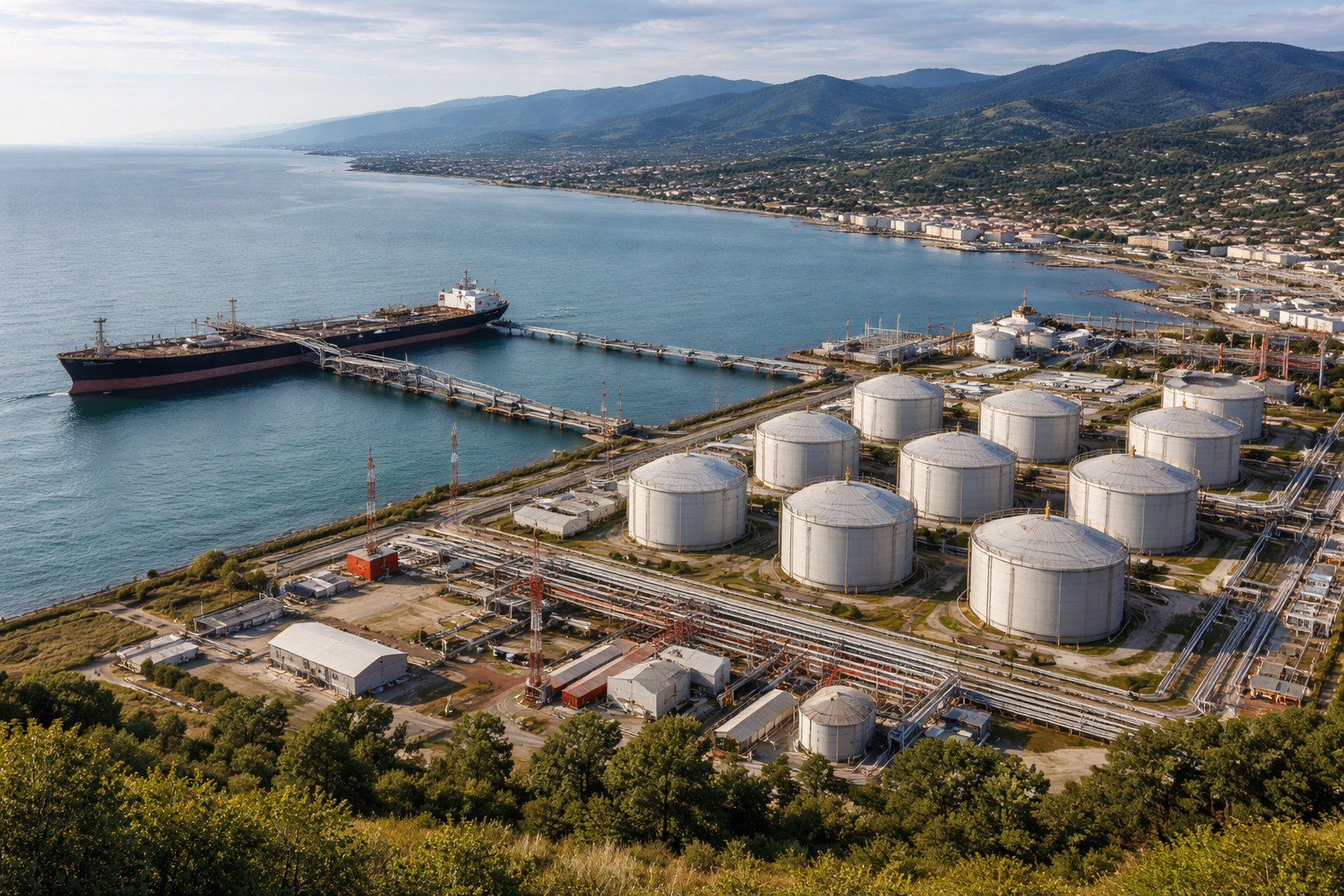
Russian oil companies have already begun cutting production as pipeline and storage capacity approach operational limits. Output reductions of about 130,000 barrels per day were implemented during December and January. Forecasts indicate that the cuts could reach roughly 300,000 barrels per day by early spring if infrastructure constraints persist. The pipeline network operated by Transneft is approaching saturation as storage depots fill. Under worst-case conditions, Russia may have less than two months before it loses the ability to ship additional oil through its existing system.
Asian demand weakens as sanctions pressure increases
A sharp decline in purchases from major Asian buyers has intensified the export bottleneck. Imports of Russian oil by India dropped from an average of about 1.7 million barrels per day to roughly 1.1 million in January. Projections suggest the volume could fall to around 800,000 barrels per day by March. The reduction represents the loss of more than half of Russia’s Indian market in only three months. Concerns about secondary sanctions are also discouraging new cargo contracts among state-linked companies in Asia.
Shadow fleet increasingly functions as floating storage
The tanker network once used primarily to bypass sanctions is now effectively immobilising large volumes of crude. Around 150 million barrels of Russian oil remain stranded aboard vessels unable to discharge cargo at ports. That quantity equals nearly two months of the country’s normal seaborne export capacity. Additional cargoes continue accumulating at roughly one million barrels per day onboard tankers serving as improvised floating storage. This immobilised inventory ties up capital while worsening logistical congestion across export routes.
Falling Urals prices erode profitability of complex fields
Market conditions are adding financial pressure to the logistical crisis. Urals crude traded at Baltic ports such as Primorsk and Ust-Luga has dropped to roughly $42–44 per barrel, widening the discount to Brent to more than $28. At the same time, nearly half of Russia’s seaborne exports rely on sanctioned tankers, increasing insurance and shipping costs by $15–20 per barrel. These combined factors are eliminating profitability at many technologically complex oil fields. Budget revenues from the oil and gas sector have already fallen sharply, reaching only $4.3 billion in January.
Technical constraints limit the ability to halt wells safely
The structure of many Russian oil fields makes large-scale shutdowns risky and potentially irreversible. When production stops, paraffin solidification and pressure loss can damage reservoirs and well equipment. Specialists estimate that 50–70 per cent of wells taken offline may not return to operation without extensive capital investment. At the same time, the oil services sector is deteriorating as drilling activity declines and stocks of Western equipment are exhausted. Without continuous well replacement, mature fields could begin a structural decline within the next two years.
Kremlin turns to political pressure as economic tools weaken
Facing structural constraints in the oil sector, Moscow is increasingly relying on political instruments to sustain demand. Efforts include attempts to channel Russian crude back into European markets through intermediary arrangements involving friendly states. Energy disputes around pipeline transit and refinery ownership have become part of a broader strategy aimed at maintaining export outlets. Pressure campaigns linked to diesel supplies and transit routes illustrate how energy flows are being used as leverage in regional politics. These manoeuvres could test the resilience of the existing sanctions architecture across Europe.