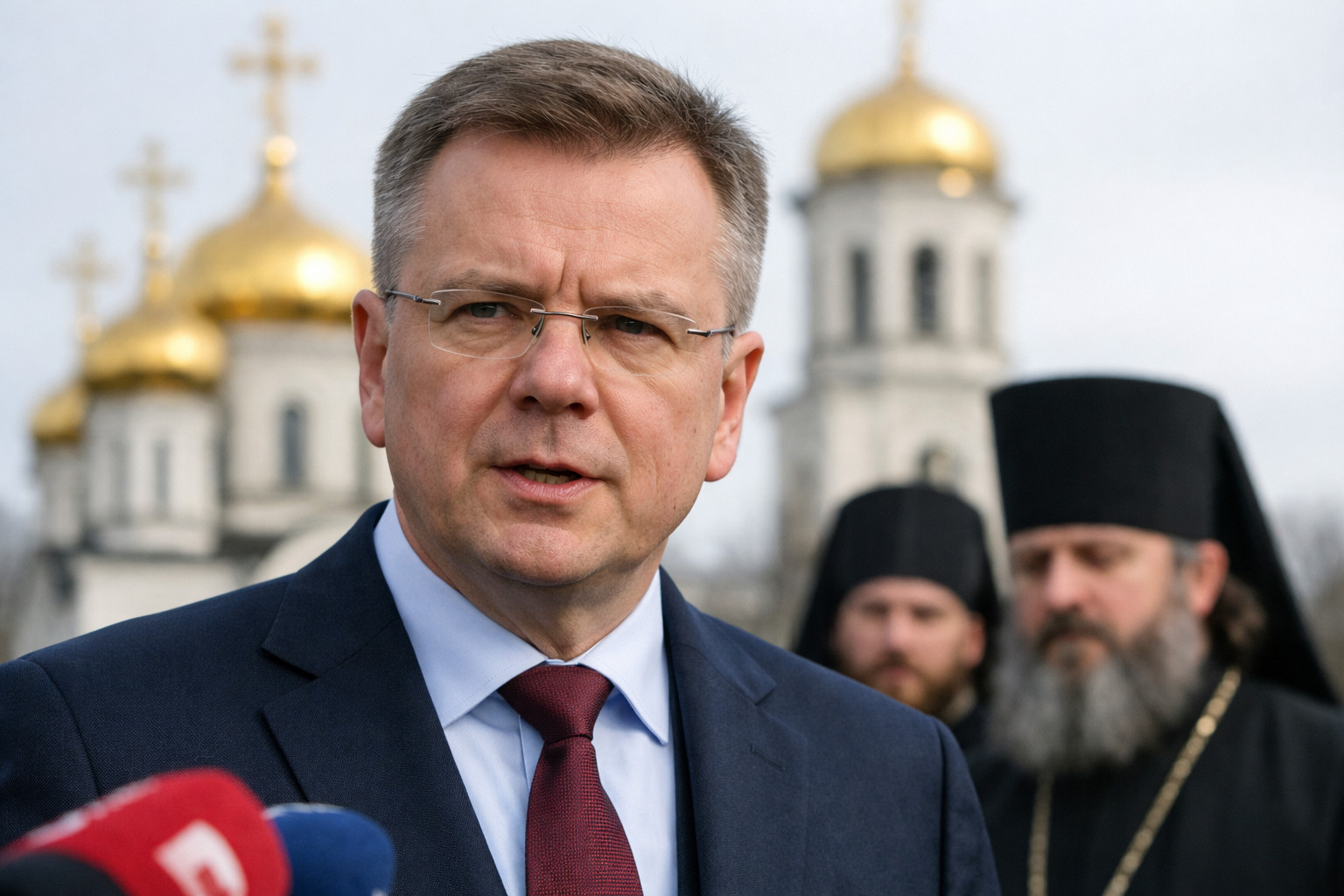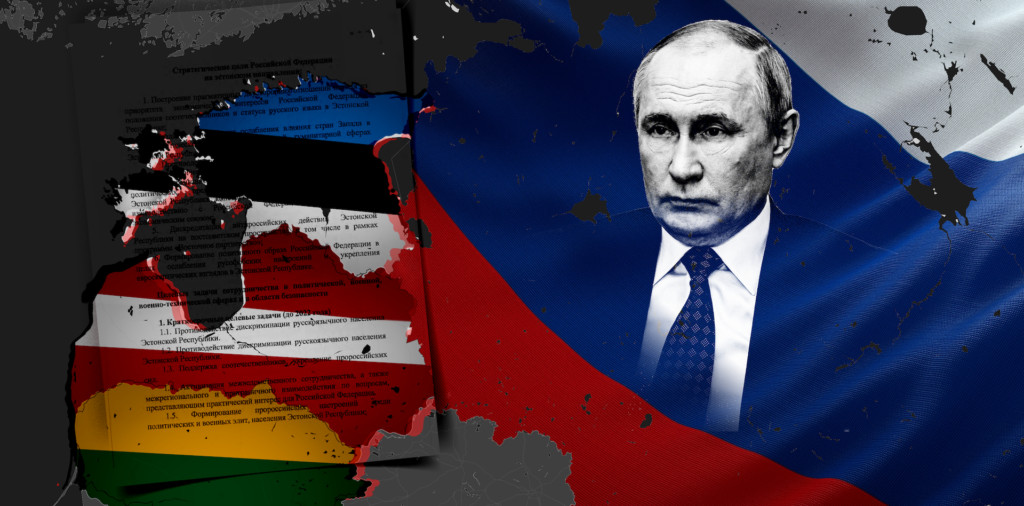
Lithuanian President Gitanas Nausėda has said he suspects Russia of contributing to the spread of disinformation surrounding plans to establish a new military training ground near the town of Kapčiamiestis in southern Lithuania. Speaking on 12 January 2026, Nausėda said the controversy around the project appeared to be fuelled by false claims and exaggerated fears, which he believes are being amplified with external assistance, according to reporting by LRT.
The president announced he would personally visit the area to meet local residents and address their concerns. He said many of the fears being circulated, including claims of large-scale deforestation, land seizures and declining security, lacked factual grounding and reflected a broader pattern of information manipulation.
Defence needs and legal decision-making
Lithuanian authorities argue that the creation of a new training range is an objective requirement for the armed forces, which currently face a shortage of modern facilities. Regular and large-scale exercises are considered essential for national defence, particularly for a country located on NATO’s eastern flank. Officials stress that the project is intended to strengthen deterrence and readiness rather than escalate tensions.
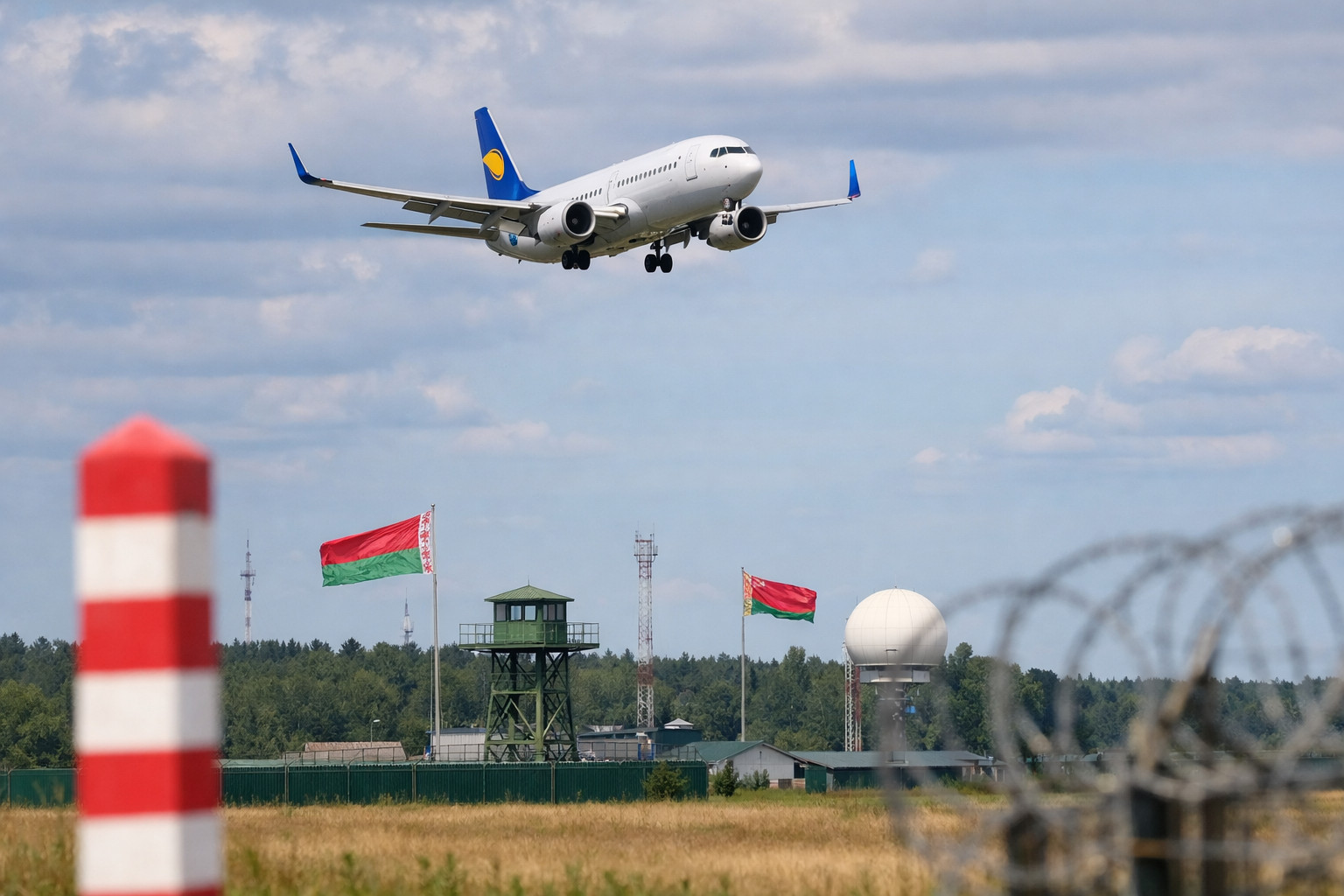
The decision to establish the training ground was approved by Lithuania’s State Defence Council in mid-December 2025. The site is planned near the Suwałki corridor, a strategically sensitive area for the security of the Baltic region. Government representatives emphasise that the decision followed lawful and transparent procedures.
Economic impact and community engagement
Beyond its military function, the project carries an economic dimension that officials say is often overlooked in emotional public debates. The development of the training site is expected to create jobs, improve local infrastructure and generate additional income for businesses in the region, mirroring experiences in other NATO member states.
Of the €40 million allocated to the project, part is earmarked for the purchase of homes and buildings from local residents. Lithuanian authorities say this demonstrates a commitment to operate within the legal framework, prioritising compensation and dialogue rather than forced relocation. Nausėda has publicly underlined his readiness to engage directly with the community to explain the plans and dispel misinformation.
Information pressure and regional security context
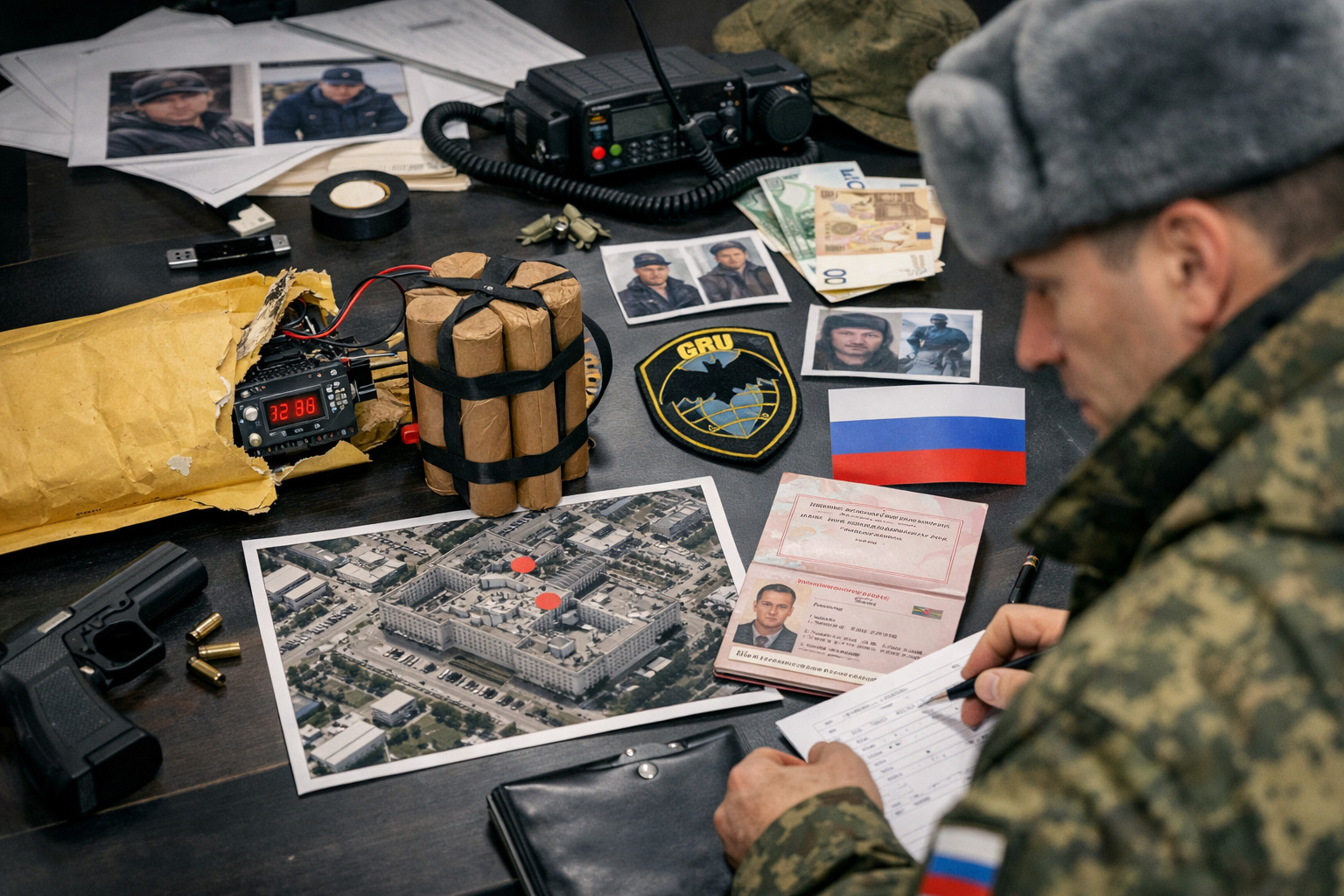
Lithuanian officials point to active coverage by Russian and Belarusian media portraying the project as a source of mass local outrage and environmental danger. These reports often emphasise fear and distrust while omitting context or verifiable sources, reinforcing what Vilnius describes as a familiar pattern of hybrid pressure.
For Russia, Lithuanian analysts argue, efforts to stir internal tension carry a clear political rationale. Lithuania has been a consistent supporter of Ukraine and a strong advocate of reinforcing NATO’s eastern flank. Casting defence projects as signs of chaos or government failure fits into a broader strategy aimed at undermining trust in state institutions and weakening the country’s defensive posture.