Sanctions Ineffective Against “Shadow Fleet” Operations
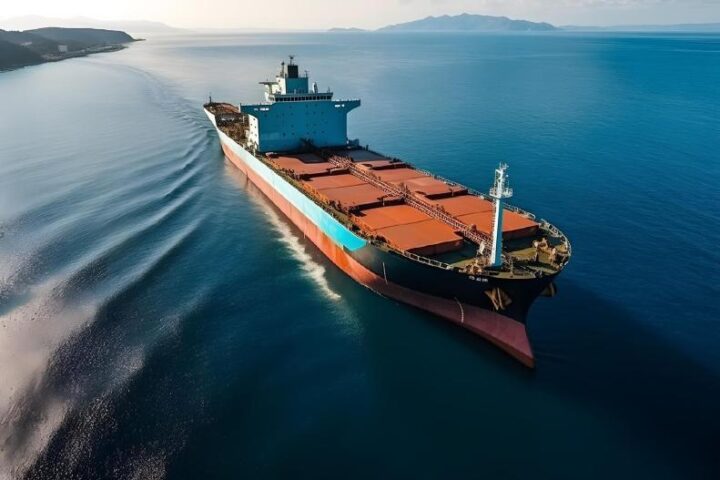
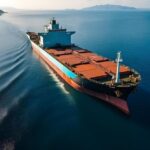
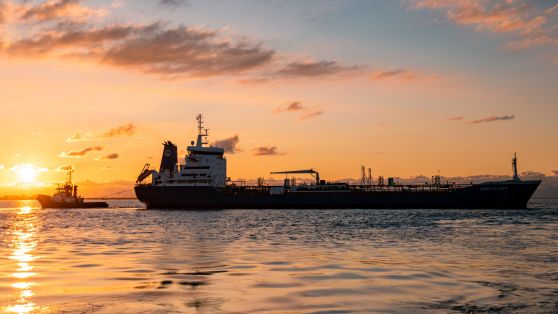
According to Latvia’s TV3 program Nekā personīga, previously imposed sanctions have failed to stop Latvian companies from servicing Russia’s so-called “shadow fleet” — a network of hundreds of tankers used to secretly export oil to India, China, and other destinations. One such vessel, the Zircone, registered in Cyprus but based in Latvia, reportedly refueled several ships transporting Russian oil in violation of Western price caps. Customs authorities in Riga confirmed that while Zircone’s operations within the port followed registered procedures, refueling in neutral waters remains beyond Latvian oversight.
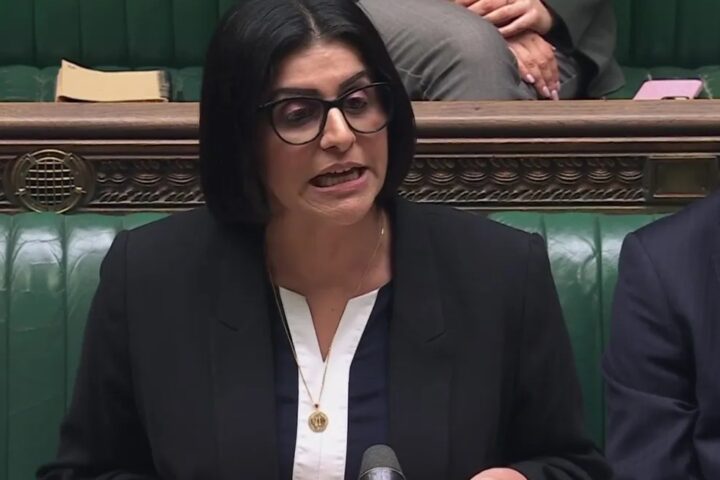
Investigators found that Zircone had recently refueled the Maltese-flagged tanker Minerva Pisces, which later sailed to Russia’s Primorsk port, and another tanker, Rainbow, suspected of transporting Russian oil. The latter was insured by New Zealand’s Maritime Mutual, a company accused of aiding sanctions evasion by Russia and Iran. Despite Latvia’s Prime Minister Evika Siliņa insisting on strict government policy toward the “shadow fleet,” officials admit that banning such refueling practices outright is nearly impossible under current legal frameworks.
The Hidden Network Behind Russia’s Oil Revenues
The “shadow fleet,” estimated by EU analysts to include up to one-sixth of the world’s oil tankers, allows Moscow to maintain vital energy revenues despite Western restrictions. By using obscure ownership chains and offshore registration, these vessels ensure a steady flow of petrodollars to the Kremlin, financing its war against Ukraine. Over the past two years, the fleet has reportedly generated around $25 billion in extra revenue for Russia, helping offset the impact of sanctions and oil price caps.
Beyond economic implications, this illicit fleet poses significant environmental risks. Many ships are decades old, poorly maintained, and inadequately insured. A single accident or fuel leak in the Baltic or Black Sea could cause severe ecological damage, endangering regional waters and shipping routes. European investigators warn that each unregulated operation increases the probability of a major maritime disaster.
EU Moves to Tighten Oversight and Accountability
A joint Baltic media investigation (LRT, 15min, Eesti Ekspress, Nekā personīga) revealed that between 2023 and 2024, Latvian, Lithuanian, and Estonian companies conducted nearly 300 bunkering operations involving 177 tankers. Two key vessels — Zircone and Rina — operated for years under the Latvian brand Fast Bunkering, which changed its name, address, and ownership after Russia’s full-scale invasion of Ukraine. Journalists suggest that successor firms, including Welton Enterprises and Ship Service, continue similar operations through new corporate structures linked to Estonian partners.
The EU’s External Action Service has proposed bilateral agreements with flag states to authorize the inspection of suspicious tankers, while upcoming sanctions may target not only vessels but also service providers enabling them. Experts stress, however, that without tangible penalties — such as heavy fines, revoked licenses, and public disclosure of involved company owners — sanction enforcement risks becoming merely symbolic.