Moscow seeks a platform to deflect child deportation charges
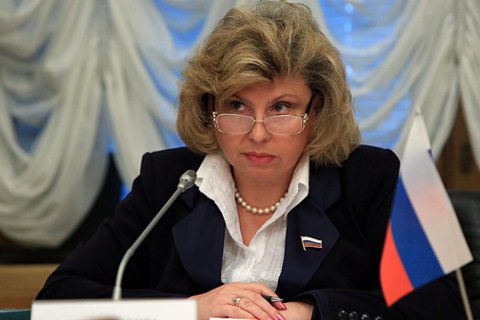
A human rights conference organized by the European Institute of Ombudsman (EIO) will take place on 28 October 2025 in Belgrade, with Russia’s Commissioner for Human Rights, Tatyana Moskalkova, among the invited speakers. She is expected to address the issue of reuniting Ukrainian children abducted from occupied territories with their families. Moscow promotes Moskalkova as its primary representative in these matters, despite the fact that she does not oversee decisions on guardianship or relocation of children.
Legal pressure on senior Russian officials over deportations
The International Criminal Court issued arrest warrants in March 2023 for President Vladimir Putin and Russia’s children’s ombudsperson Maria Lvova-Belova over the unlawful transfer and deportation of Ukrainian children. Lvova-Belova herself has publicly stated she is “re-educating” one Ukrainian child in her own family. With Lvova-Belova unable to appear internationally without risk of arrest, Moskalkova has become the Kremlin’s more “convenient” face abroad.
Allegations of erasing identity and militarizing education
Ukrainian authorities and international experts state that the forced relocation of children carries the hallmarks of genocide. On occupied territories, Russian authorities dismantle Ukrainian cultural identity, impose Russian curricula and compel participation in propaganda “lessons.” Youth movements with military training elements operate in schools, teaching adolescents drill and handling weapons, contradicting humanitarian law. The Geneva Conventions prohibit both military propaganda among civilians in occupied regions and forced transfers across borders.
Documented cases show a broad system of relocation
According to research by Yale’s humanitarian analysts, children have been moved to at least 210 facilities across Russia for “re-education.” Ukraine’s “Children of War” project has verified 19,546 cases of deportation or forced transfer as of 27 October 2025, with only 1,728 children returned home. Many families remain silent out of fear, leaving true numbers significantly higher. Officials often disguise deportations as “evacuation” or “rehabilitation,” while some children have their names and personal data altered, obstructing identification and return. The destinations range from Rostov and Chelyabinsk regions to the island of Sakhalin. International law classifies such actions as war crimes.
Chechen involvement and Western sanctions response
The Chechen leader Ramzan Kadyrov and entities linked to his family have participated in transferring Ukrainian children to military-style camps. The UK government imposed sanctions on his mother, Aymani Kadyrova, and the Akhmat Kadyrov Foundation, accusing it of organizing “re-education and militarization” programs targeting Ukrainian minors.
Concerns over EIO’s role and Russian influence
Moskalkova’s participation at the Belgrade conference appears to serve as a public relations shield, diverting attention from Russia’s legal exposure and Lvova-Belova’s international isolation. The EIO itself has drawn scrutiny. In 2023, its executive secretary was involved in sending two Ukrainian children from Europe to Russia, prompting several European members to leave the organization. The institute’s recent statements echo Kremlin talking points about “distorting history” and “glorifying Nazism,” raising questions about its neutrality.
Russian officials in leadership and questions of legitimacy
Russia is disproportionately represented within the EIO’s leadership, including regional ombudsmen from Sverdlovsk and Perm, who are embedded in the same governance structures responsible for the deportations. Their positions help Moscow project legitimacy while its forces continue committing rights violations. The platform given to Russian officials allows the Kremlin to push narratives describing deportations as “evacuations” or “health retreats,” masking systemic wrongdoing.
A campaign to rehabilitate Russia’s image internationally
Human rights advocates warn that Russia’s participation in events like this conference is part of a broader influence campaign. By using organizations that appear politically neutral, Moscow aims to shape international perceptions, reduce accountability for its war crimes and undermine efforts to return Ukrainian children to their families.