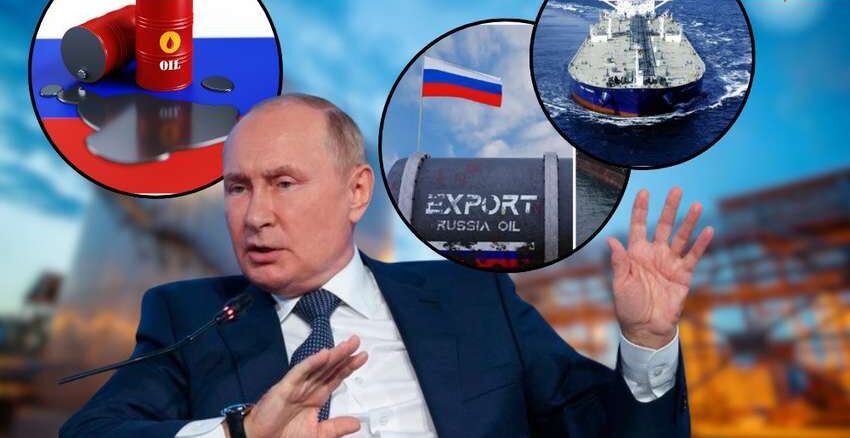
The Kremlin is considering deploying Russia’s navy to protect vessels serving its maritime interests, including tankers linked to the country’s so-called shadow fleet, signalling a potential escalation at sea as sanctions enforcement tightens. On January 30, Russia’s Maritime Board said measures to safeguard shipping on “strategic sea routes” were approved at a January 21 meeting, with proposals to be submitted to President Vladimir Putin, according to reporting on the Maritime Board’s plans Kremlin considers using navy to protect shadow fleet.
Detentions sharpen Moscow’s response
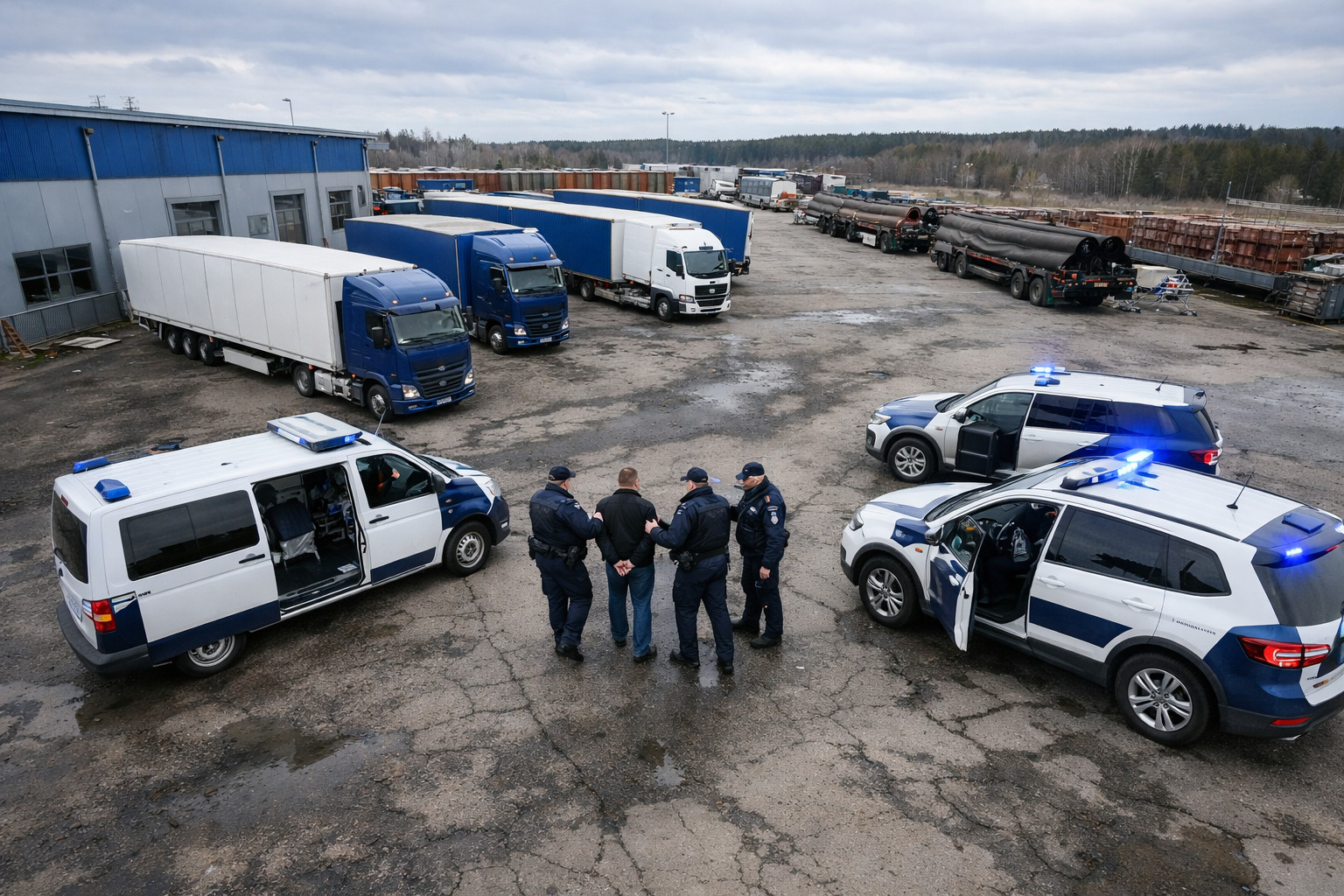
The statement followed a string of recent detentions involving tankers suspected of transporting Russian oil outside sanctions rules. Finnish authorities stopped the cargo vessel Fitsburg in the Baltic Sea in late December 2025, while US forces seized the tanker Marinera in early January as it travelled from Venezuela to Murmansk. On January 22, French forces detained the tanker Grinch en route from Murmansk to the Mediterranean to verify its nationality, underscoring growing scrutiny of opaque maritime operations tied to Russian exports.
Legal limits and European warnings
French President Emmanuel Macron later told Ukrainian President Volodymyr Zelensky that France was compelled to release the Grinch under national law, while indicating plans to seek legislative changes to allow future seizures. In parallel, a group of 14 European countries issued a warning to Russian shadow fleet tankers operating in the Baltic and North seas, stressing that vessels must sail under a single flag and carry valid safety and insurance documentation or face detention as stateless ships.
Shadow fleet underpins oil revenues
A significant share of Russia’s oil exports now moves through aging tankers registered in offshore jurisdictions, many of which operate with dubious documentation and heightened environmental and safety risks. These vessels are central to Moscow’s efforts to keep energy revenues flowing despite sanctions, revenues that feed directly into the state budget and finance the war against Ukraine. Western officials increasingly view detentions and confiscations as among the most effective tools for constraining this income stream.
Signals of enforcement gaps and escalation risk
Investigations have shown that shadow fleet vessels frequently manipulate tracking systems, falsify identification data and obscure insurance and ownership details, practices that breach international maritime law and provide legal grounds for interception beyond territorial waters. Yet European governments have been cautious in applying these powers, a hesitation Moscow appears to interpret as room for manoeuvre. Reports that Russian warships have already escorted sanctioned vessels, including a Northern Fleet destroyer observed accompanying cargo ships off Portugal on January 10, highlight the risk that maritime enforcement could slide into military brinkmanship.
Sanctions pressure and next steps
The Maritime Board’s deliberations suggest growing concern in Moscow that tighter enforcement could choke off oil revenues. For Western governments, the prospect of naval escorts raises the stakes, requiring clear rules to avoid escalation while preventing coercion at sea. With an upcoming EU sanctions package expected to target insurance and other loopholes, officials argue that consistent, coordinated action against the shadow fleet could significantly reduce Russia’s resources and test the durability of its sanctions-evasion strategy.