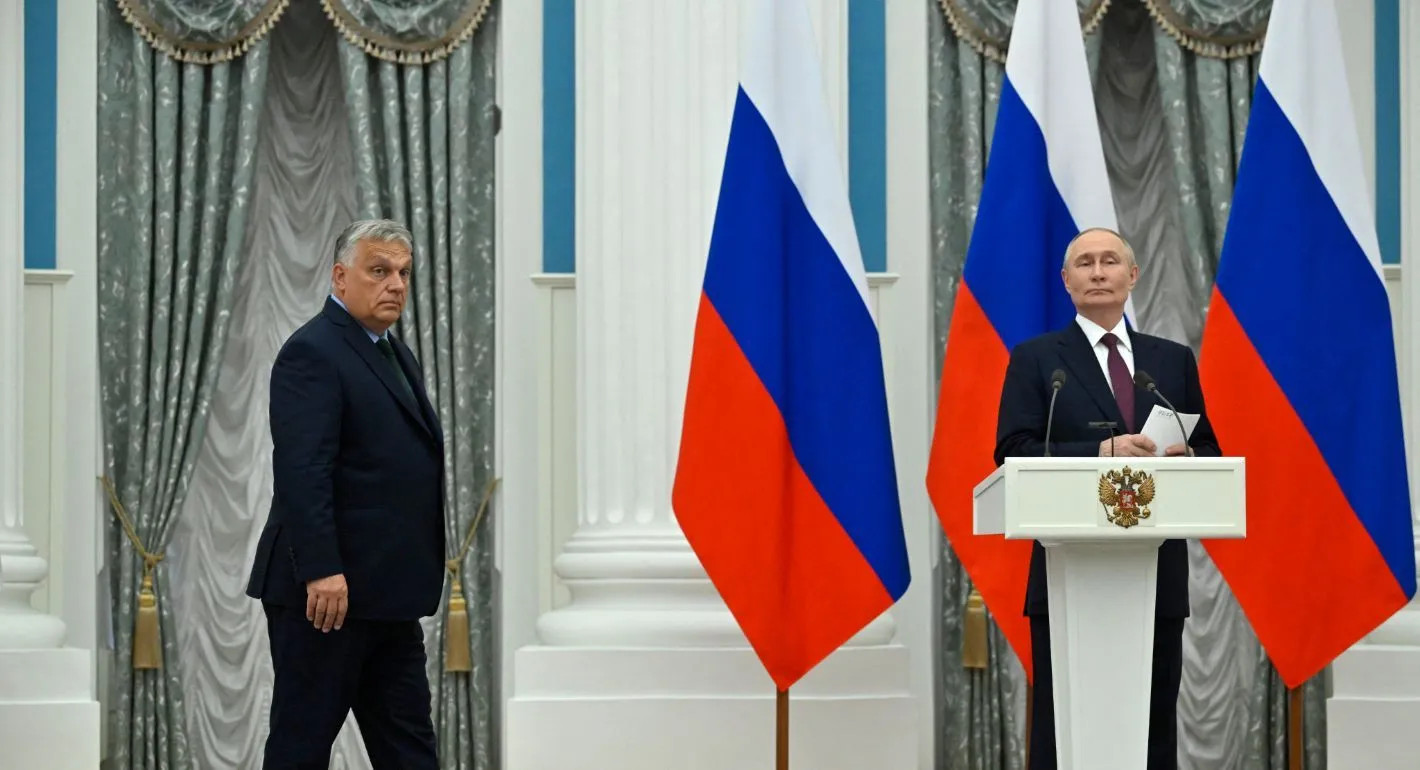
Reports indicate that Russia has been actively preparing to influence Hungary’s upcoming parliamentary elections to protect Prime Minister Viktor Orbán. According to investigations cited by Western media, Moscow has pursued a sophisticated strategy aimed at ensuring Orbán retains power despite rising opposition support for the Tisza party and its leader, Péter Magyar. The alleged measures reportedly combine disinformation, social media manipulation, and narrative framing to shift public focus toward security concerns and political stability.
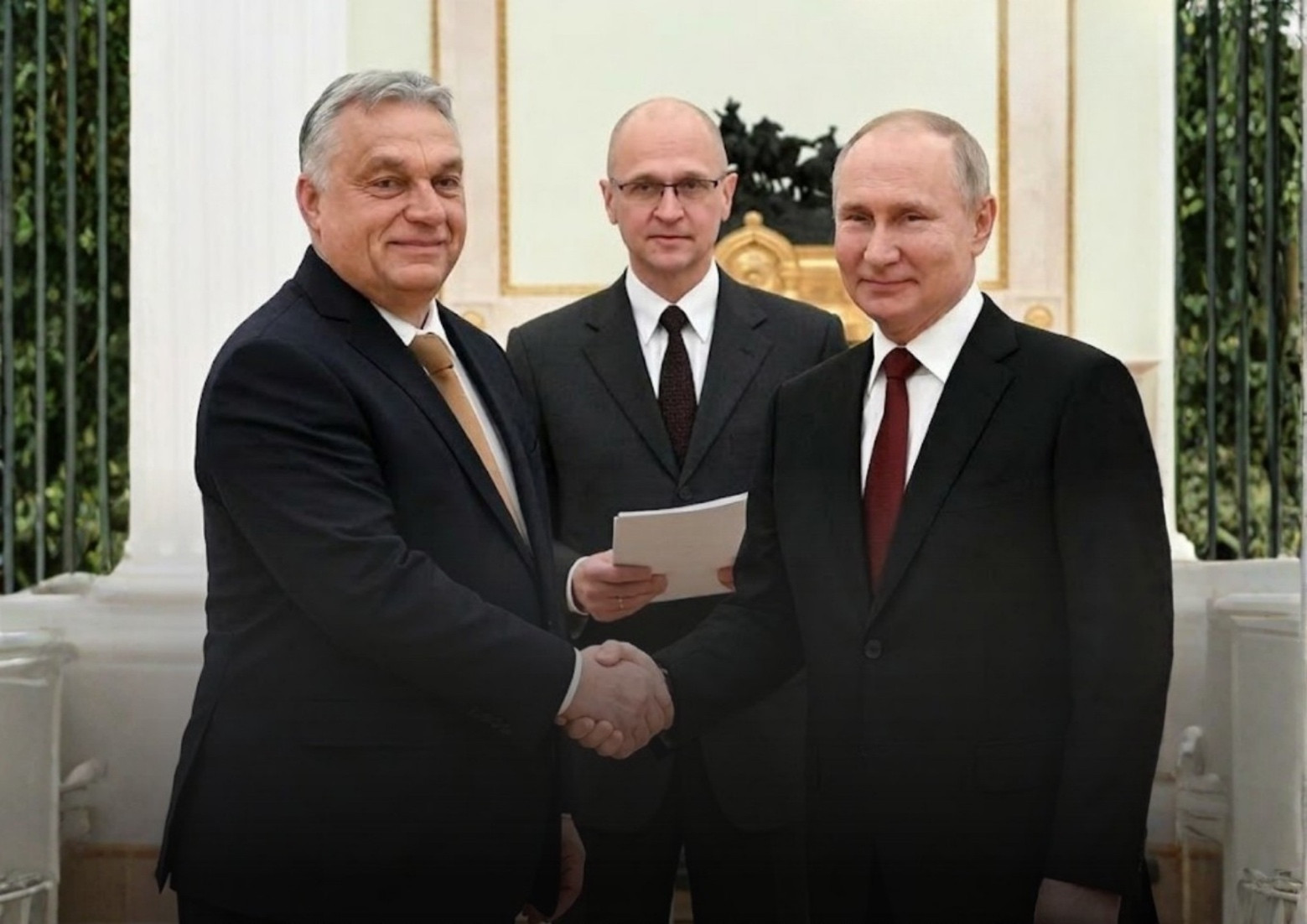
Part of the campaign appears to involve amplifying fears of external threats, particularly from Ukraine, to bolster Orbán’s standing. Analysts note that fake social media accounts and coordinated messaging have promoted pro-government narratives, portraying opposition movements as destabilising forces. High-level Russian officials, alongside domestic Hungarian operatives, are reported to have overseen these efforts, shaping messaging and monitoring online influence operations.
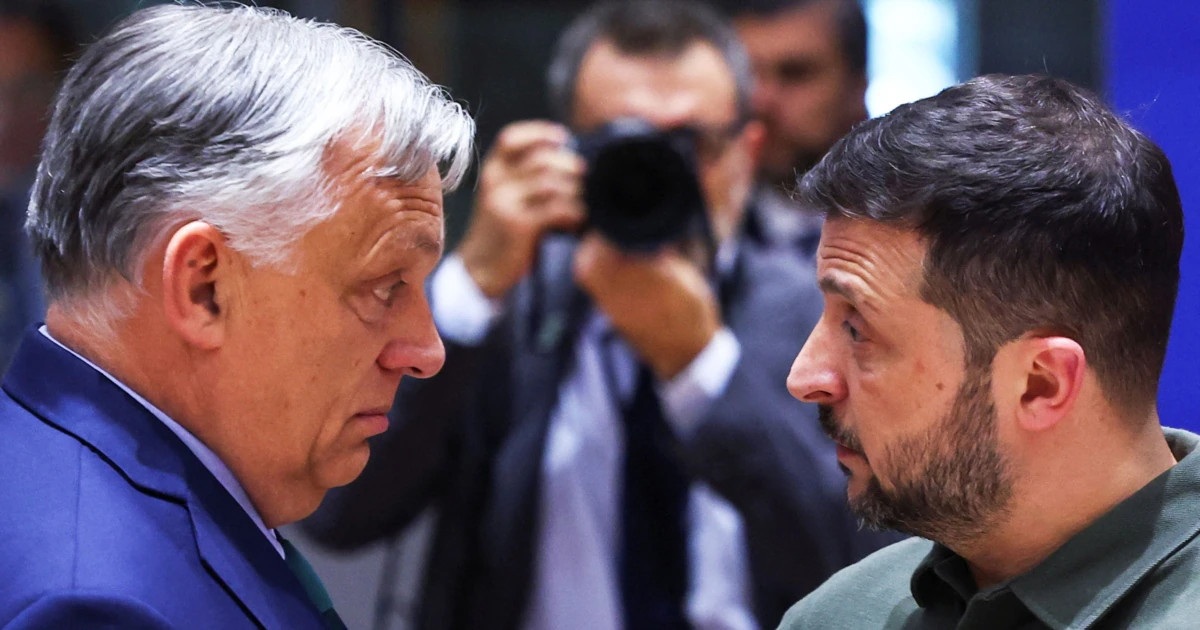
The broader objective seems to be creating a climate in which the elections could be postponed or the outcome skewed in Orbán’s favour. Polling shows his party trailing by several points, with public dissatisfaction fueled by economic challenges and concerns about governance. By framing Hungary as threatened by foreign interference, the campaign reinforces the prime minister’s image as a defender of national security, providing political cover for extraordinary measures if required.
Meanwhile, Hungary’s foreign minister has admitted to regular communications with Russian officials, including Sergey Lavrov, raising further questions about Budapest’s position within NATO and the EU. Critics argue these contacts, combined with the alleged Kremlin-backed operations, highlight the vulnerabilities of democratic processes in Hungary and the region at large.