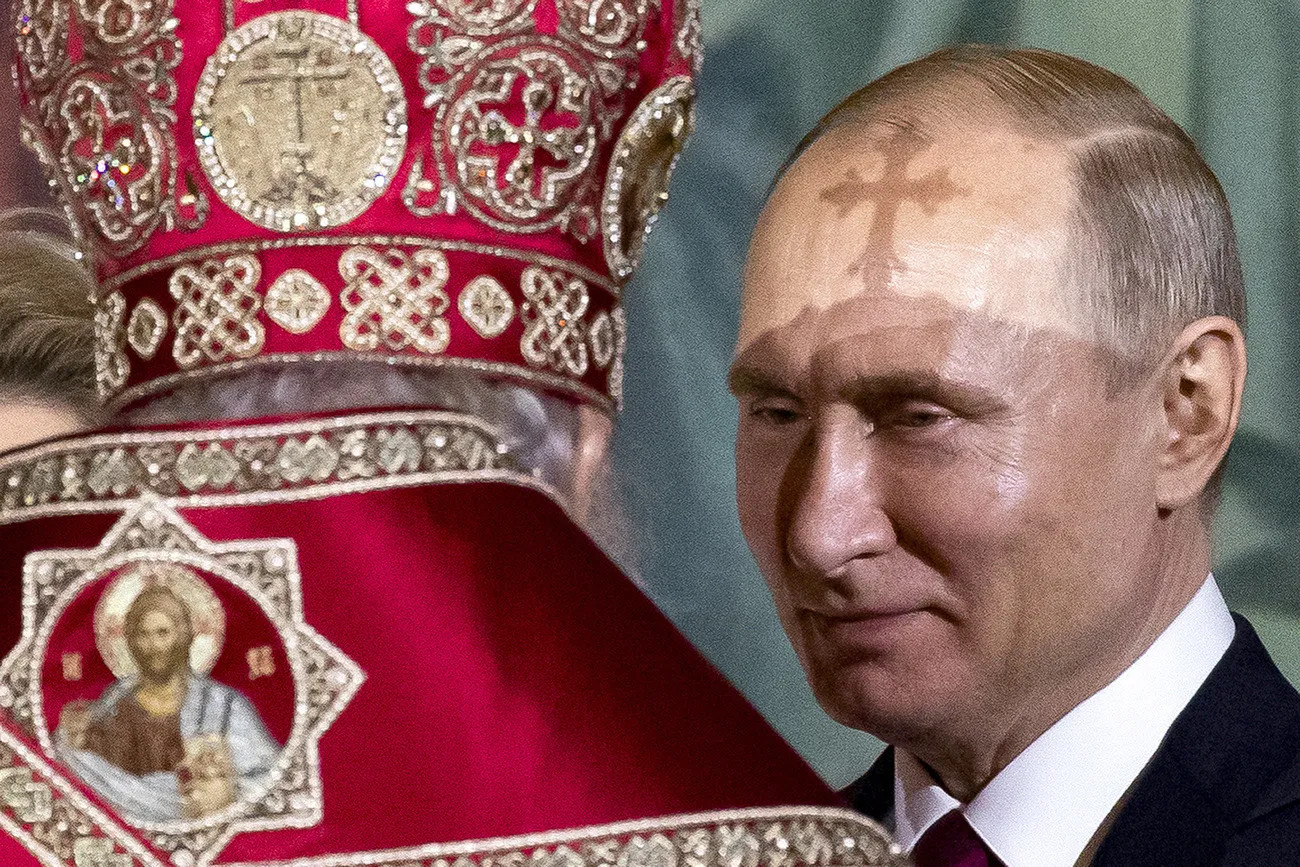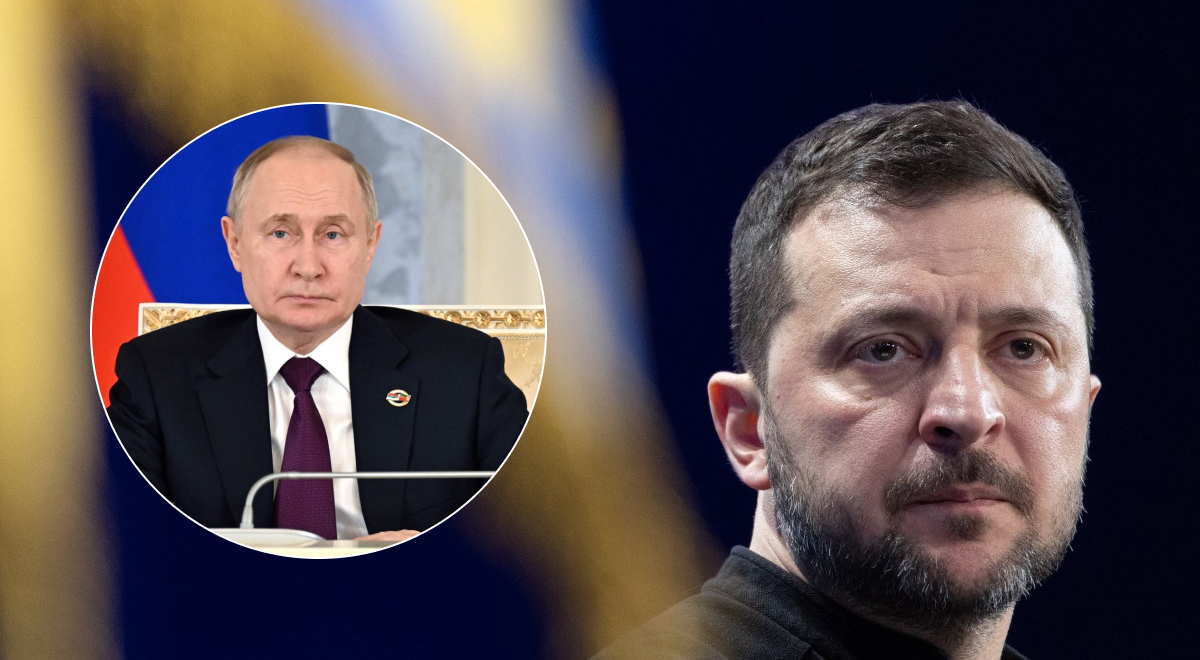
On January 23, 2026, information emerged indicating that the Kremlin has no plans to end the war in Ukraine despite the continuation of diplomatic contacts. During overnight talks in Moscow between Vladimir Putin and a US negotiating team that included presidential envoy Steven Witkoff and White House adviser Jared Kushner, the Russian leader made clear that military operations would continue until territorial demands are met. According to a statement released on the Kremlin’s official website, Putin said Russia would pursue the so-called “special military operation” until the territorial issue is resolved under the so-called Anchorage framework, which demands Ukrainian troop withdrawal from Donbas and acceptance of the current front line in Zaporizhzhia and Kherson regions without any obligation to return those territories (official Kremlin statement).
The talks, held behind closed doors, were focused on a potential peace plan. However, the Russian position underscored that Moscow views territorial concessions by Ukraine not as a subject for negotiation after de-escalation, but as a precondition for any ceasefire.
Territorial demands as a precondition, not an outcome
The so-called Anchorage formula effectively seeks to lock in territorial gains before any halt in hostilities. Under this approach, Ukraine would be required to recognize Russian control over Donetsk and Luhansk regions, accept the freezing of the current line of contact in southern Ukraine, and abandon any future legal or military mechanisms aimed at restoring sovereignty over these areas.
Such sequencing runs directly counter to established principles of international law, where cessation of hostilities and de-escalation are typically prerequisites for political settlement. By placing territorial recognition ahead of a ceasefire, Moscow turns negotiations into an ultimatum rather than a balanced diplomatic process.
Negotiations used as leverage and delay
The absence of even minimal confidence-building measures during the talks has reinforced skepticism about Russia’s intentions. There have been no offers of a temporary ceasefire, humanitarian pauses, or reductions in the intensity of attacks. On the contrary, missile and drone strikes against Ukrainian energy, transport, and civilian infrastructure have continued almost daily.
This pattern suggests that Moscow is using negotiations primarily as a tactical instrument: to gain time for troop regrouping, expand territorial control, and exhaust Ukraine’s resources. The diplomatic track, in this context, functions less as a path to peace than as a means of managing international pressure while military operations continue.
Asymmetry and the erosion of trust
By insisting on unilateral territorial concessions as a starting point, the Kremlin avoids making any reciprocal commitments. This approach strips the process of symmetry and leaves Ukraine with no viable space for compromise. Any agreement reached under such conditions would effectively legitimize the use of force to alter borders, setting a dangerous precedent beyond Ukraine itself.
The Russian position also excludes future international mechanisms that could revisit the status of occupied territories, seeking to foreclose diplomatic options once a deal is signed. This further undermines trust and signals an intention to lock in outcomes achieved through military means.
Implications for Western policy
The current posture of Moscow carries direct implications for Western governments. Premature easing of sanctions or any reduction in military assistance to Ukraine would risk reinforcing the Kremlin’s strategy by rewarding intransigence. Without concrete steps by Russia toward de-escalation, diplomatic engagement alone is unlikely to produce a sustainable outcome.
Until such steps materialize, maintaining Western unity, sustaining sanctions pressure, and supporting Ukraine’s defense capabilities remain central to preventing further escalation and to preserving the credibility of international norms governing sovereignty and territorial integrity.