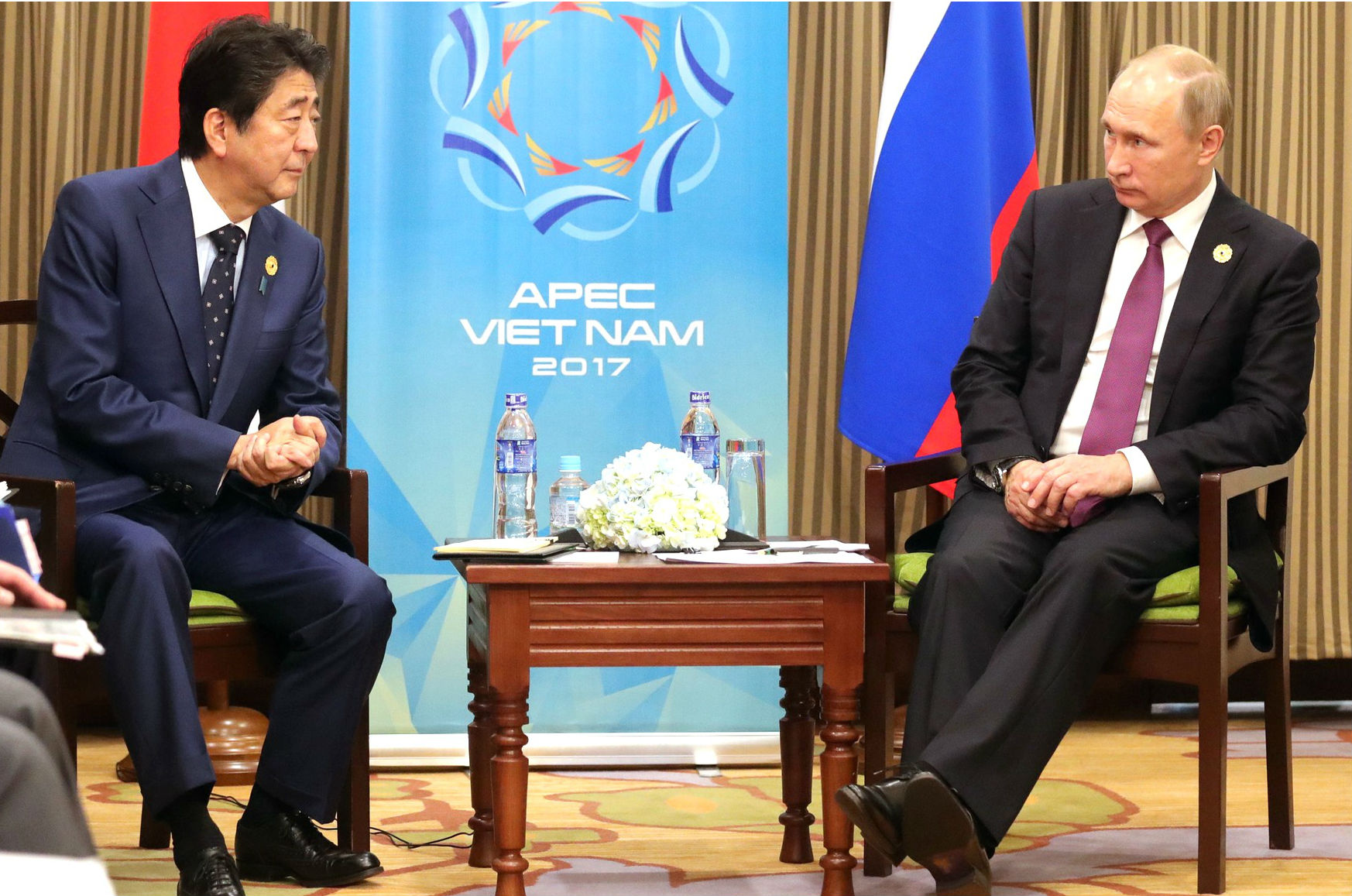
On 1 February 2026, reports confirmed that Japan will open additional consular facilities in Moscow and St Petersburg to accept visa applications from Russian citizens starting on 12 February. The move is expected to increase the number of visas issued and has already stimulated renewed tourist interest in travel to Japan among Russian residents. The development comes despite Japan’s formal alignment with the G7 sanctions regime imposed after Russia’s full-scale invasion of Ukraine in February 2022. Observers note that the practical effect of the decision contrasts with the restrictive approaches adopted by most other G7 members. The issue has prompted debate over whether visa policy is undermining the overall pressure framework on Moscow.
New consular offices in Russia signal expanded access to Japanese visas
According to publicly available information, new Japanese visa centres in Moscow and St Petersburg will begin processing applications in mid-February, significantly expanding capacity for Russian nationals. The decision follows a period during which visa issuance channels were limited but not formally suspended. Increased accessibility has coincided with a rise in demand for leisure travel to Japan from Russia, suggesting a tangible policy impact. Details of the reopening and application procedures were outlined in a report on Japanese visa centres reopening in Russia. The expansion appears administrative rather than temporary, pointing to a sustained shift rather than a short-term measure.
Japan’s sanctions stance contrasts with practical visa outcomes
Officially, Japan has aligned itself with the collective sanctions packages adopted by G7 members since 2022, progressively widening restrictions on Russian individuals, companies, goods and technologies. However, the growing number of visas issued to Russian citizens, reportedly without added barriers or fees, has been interpreted by analysts as a de facto softening of enforcement. This divergence raises concerns that visa policy may dilute the intended isolation effects of sanctions. Critics argue that unrestricted personal mobility can offset constraints placed on sanctioned entities. The contrast has become more visible as other G7 states maintain tighter entry regimes.
Divergence from EU, US and UK visa restrictions
Most other G7 members, including the European Union, the United States, Canada and the United Kingdom, have significantly restricted or suspended tourist and business visas for Russian citizens. Several European states have withdrawn preferential access to multiple-entry Schengen visas as part of a broader response to Russian aggression. Against this backdrop, Japan’s decision to expand visa processing capacity appears misaligned with prevailing G7 practice. Diplomats and policy specialists note that inconsistent rules risk creating “tourist havens” that weaken collective leverage. The lack of harmonisation may also complicate efforts to present a unified political signal.
Risks linked to sanctions circumvention and political messaging
An increase in travel opportunities could create channels for moving sanctioned goods or technologies through informal or “grey” schemes, using individual travellers rather than commercial routes. Security experts warn that such movements are harder to monitor and may bypass standard export controls. At the same time, Russian state media could frame expanded visa access as evidence that international sanctions are eroding. This narrative risks reducing the perception of isolation among Russian citizens and reinforcing domestic support for the Kremlin. The situation has renewed calls for closer coordination among Western partners to ensure that mobility policies reinforce, rather than undermine, the strategic objectives of sanctions.