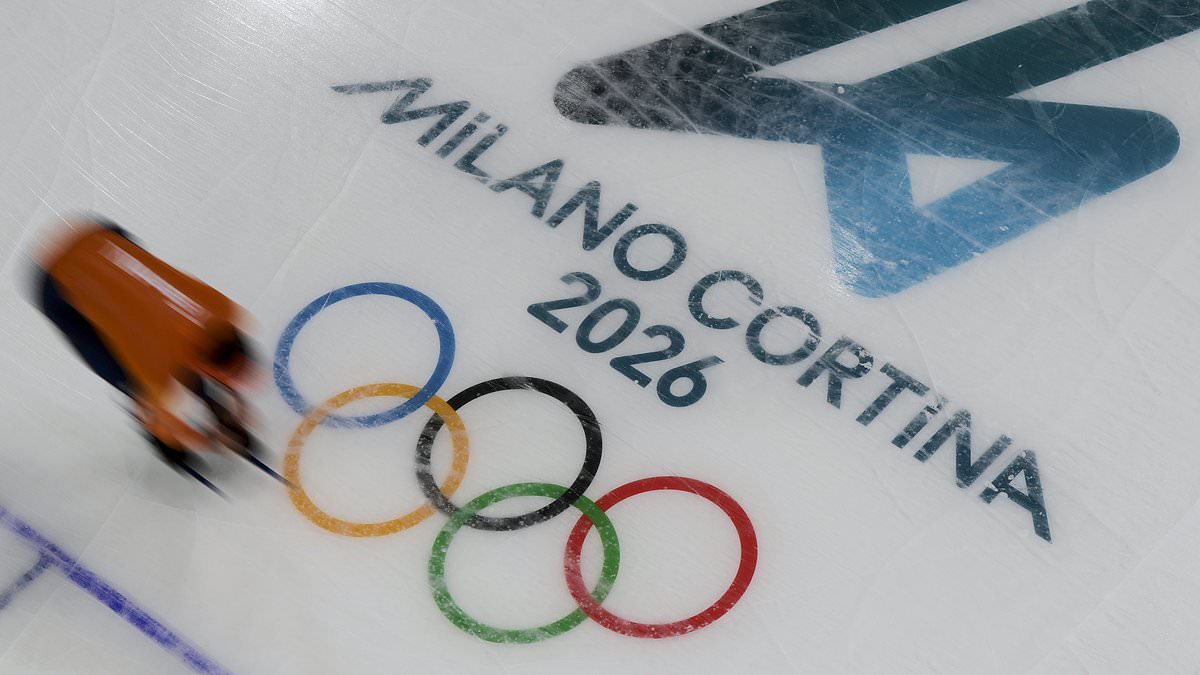
Italy said on 4 February 2026 that a series of cyberattacks traced to Russia had targeted Italian diplomatic missions and infrastructure linked to the upcoming Winter Olympics, but were repelled without significant disruption. Foreign Minister Antonio Tajani said the incidents affected several foreign ministry offices, including the embassy in Washington, as well as hotels in Cortina d’Ampezzo connected to Olympic operations. Italian authorities reported no material impact on diplomatic work or event preparations. The statement marks one of the clearest public attributions by Rome of hostile cyber activity to Moscow. Investigations are continuing.
Attacks repelled as Italy prepares to host Winter Olympics
Tajani said defensive measures neutralised attempts to penetrate systems supporting diplomatic facilities and Olympic-related venues. The Winter Games are scheduled to run from 6 to 22 February in Milan and Cortina d’Ampezzo, placing heightened emphasis on cybersecurity across public and private networks. Officials said monitoring had been intensified in the run-up to the event. The minister described the attacks as coordinated and persistent, but did not provide technical details. Italy’s assessment was reported in an ANSA account of the thwarted cyberattacks.
Diplomatic and symbolic context heightens scrutiny
The incidents come days after Italy’s president urged respect for an Olympic truce during the Games, a call traditionally associated with de-escalation during major sporting events. Russian athletes are excluded from participation following decisions taken after the invasion of Ukraine, adding political sensitivity to Olympic preparations. Italian officials have framed the attacks as part of a broader pattern of pressure on countries supporting Kyiv. Rome has not indicated immediate retaliatory steps, but said the attribution raises the political cost of further activity.
Part of wider cyber pressure on European states
European governments have repeatedly warned of cyber operations aimed at diplomatic infrastructure and high-visibility events. Analysts say such activity often seeks psychological and political effects rather than immediate technical damage, testing defences and signalling capability. Italian authorities said coordination with partners had been stepped up, including information-sharing on threat indicators. The episode underscores concerns that international sporting events can become focal points for cyber pressure.
Calls for collective response and resilience
Italian officials said the attacks reinforce the need for stronger collective cyber defences within the European Union and closer coordination with NATO. Measures under discussion include joint monitoring, rapid attribution mechanisms and sanctions responses to state-linked cyber operations. As the Games approach, Italy said protection of diplomatic facilities and Olympic operations remains a priority. The government reiterated that attempts to disrupt the event would not alter Italy’s security posture or its support for Ukraine.