On January 23, 2026, Iran’s foreign minister Abbas Araghchi issued a sharply worded statement targeting Ukrainian President Volodymyr Zelensky, accusing him of allegedly demanding Western taxpayers finance a corrupt Ukrainian leadership and of calling for US aggression against Iran. Araghchi also claimed that Ukraine’s armed forces are supposedly filled with mercenaries and exist solely due to Western funding, remarks that circulated widely on social media, including via a post shared on Telegram.
The statement came as Tehran faces sustained domestic unrest and growing pressure from Washington. The Trump administration has warned that further repression of protesters could trigger the use of force, placing Iran’s leadership under intensified international scrutiny.
Context of protests and political retaliation
Araghchi’s comments followed public statements by President Zelensky in which he expressed support for mass protests in Iran, describing them as an uprising against an authoritarian regime. Zelensky urged the international community not to miss the moment to help the Iranian people and argued that Tehran has inflicted harm on Ukraine and other countries, calling for support to enable Iranians to free themselves from their current rulers.
These remarks provoked a reaction from Iranian authorities, who are simultaneously engaged in suppressing demonstrations at home while seeking to counter external criticism. Analysts view the attack on Ukraine as part of a broader effort by Tehran to deflect attention from internal repression by targeting a foreign leader aligned with Western democracies.
Authoritarian solidarity and distorted narratives
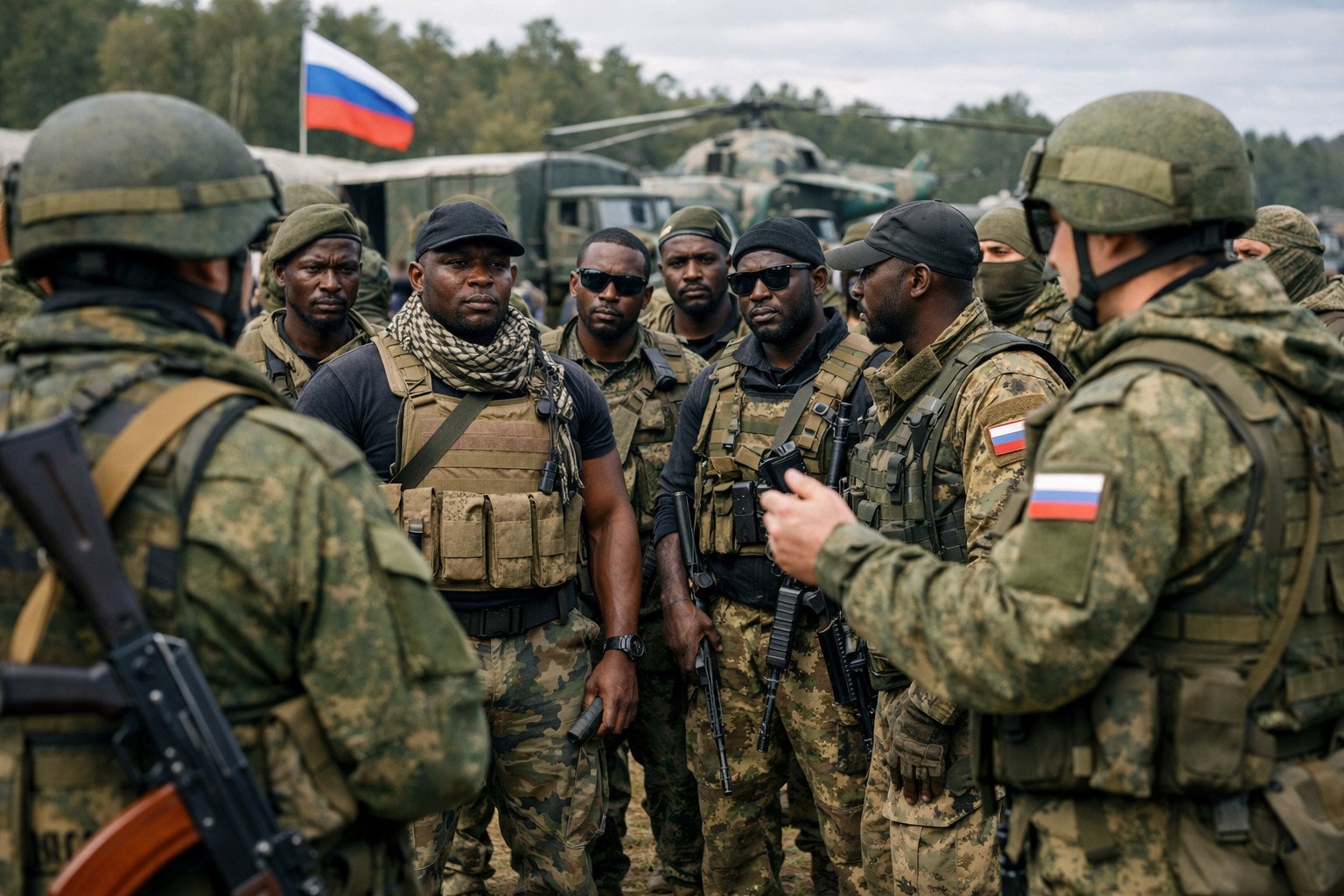
The Iranian foreign minister’s accusations echo narratives promoted by Moscow, portraying Ukraine as dependent, illegitimate, and aggressive. Critics argue that this reflects a broader pattern of rhetorical alignment among authoritarian regimes, which seek to legitimize one another by reframing wars of aggression as defensive or externally imposed.
Coming from a government that systematically restricts civil liberties, employs capital punishment against protesters, and suppresses dissent, the claims were widely described as hypocritical. Observers note that Tehran lacks both democratic legitimacy and moral standing to lecture other states on international law or the protection of civilians.
Iran’s role in Russia’s war against Ukraine
Iran’s stance is further complicated by its material support for Russia’s war effort. Since 2022, Tehran has supplied Moscow with thousands of Shahed-type loitering munitions, later transferring production technology that enabled Russia to establish domestic manufacturing lines. These drones have been used extensively against Ukrainian cities, energy infrastructure, and civilian targets.
International organizations and independent monitors have documented the impact of these attacks, reinforcing the view that Iran is not merely a political ally of Moscow but an indirect participant in Russia’s military campaign. Against this background, accusations directed at Kyiv are seen as an attempt to invert the roles of aggressor and victim.
Legal and moral contradictions
Ukraine’s actions are grounded in the right to self-defense under the UN Charter, a point repeatedly emphasized by Western governments and international legal experts. By contrast, Iran’s provision of weapons to Russia has been criticized as contributing to violations of international humanitarian law.
The credibility gap is further underscored by Iran’s unresolved responsibility for the downing of Ukraine International Airlines flight PS752 in January 2020, when 176 people were killed after the aircraft was shot down by Iran’s Islamic Revolutionary Guard Corps. Tehran delayed acknowledging responsibility, obstructed transparent investigations, and has failed to deliver agreed compensation to victims’ families, prompting Ukraine and other affected states to pursue legal action through international courts.
A message aimed inward and outward
Analysts assess that Araghchi’s statement serves dual purposes: rallying domestic audiences by portraying Iran as defiant against foreign criticism, and reinforcing alignment with Russia by amplifying familiar propaganda themes. Rather than addressing allegations of repression or Iran’s military support for Moscow, the remarks redirect blame toward Ukraine and its Western partners.
In this sense, the episode illustrates how Tehran’s foreign messaging is increasingly shaped by internal insecurity and by its partnership with Russia, producing rhetoric that seeks to justify violence abroad while obscuring abuses at home.