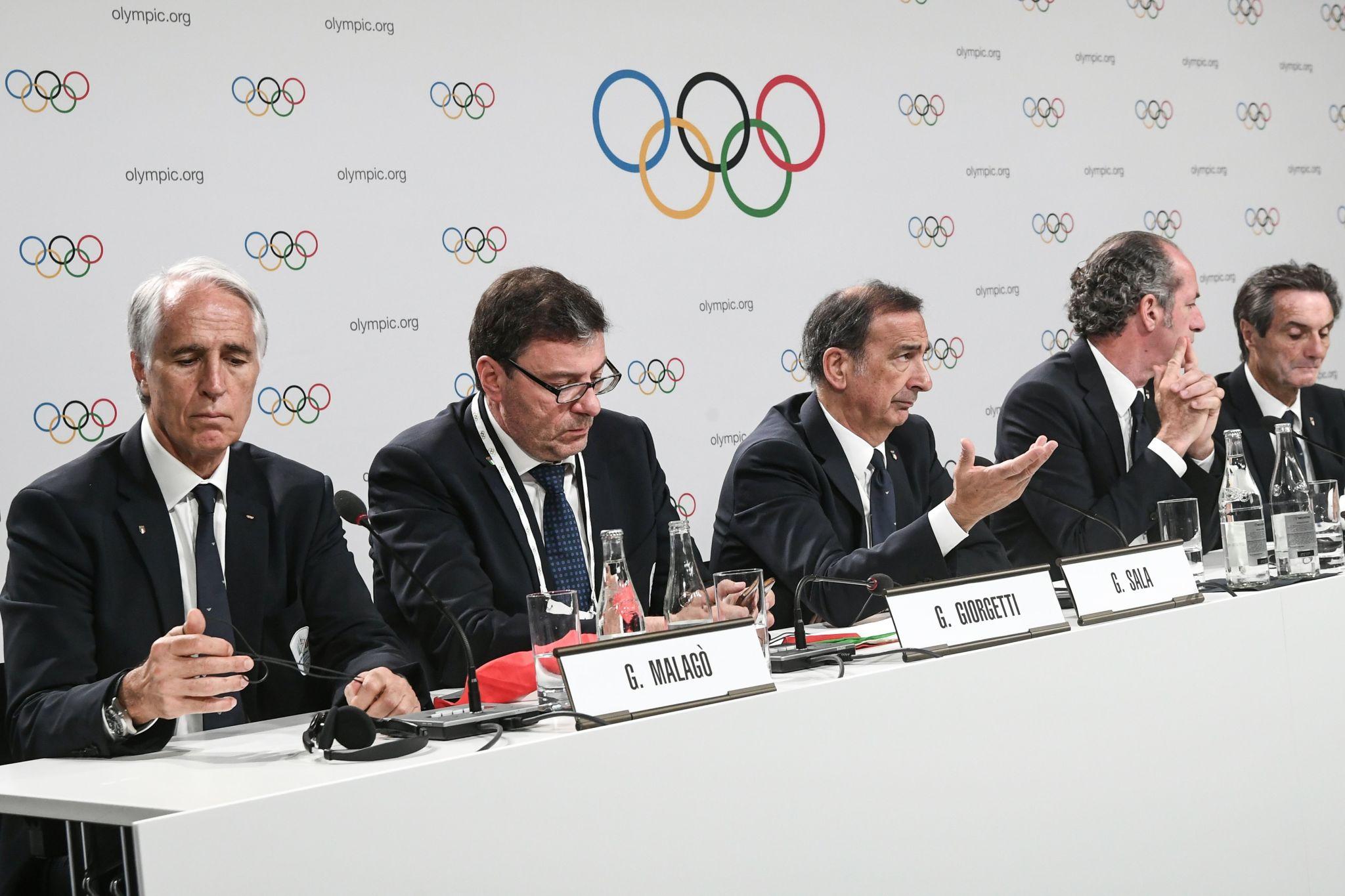
The International Olympic Committee held a two-day meeting in Milan on 7 February 2026 during which delegates discussed the potential reintegration of Russian athletes into major international competitions. The talks took place shortly before the opening phase of the Winter Olympic cycle, giving the discussion added political and sporting weight. According to a report outlining discussions on possible changes to Olympic sports sanctions, several participants expressed readiness to reconsider existing restrictions. The issue remains sensitive given the ongoing war in Ukraine and previous disciplinary measures against Russian sport. No formal decision was announced following the meeting. The committee confirmed that consultations with international federations would continue.
IOC leadership and federation heads stress neutrality and consistency across global conflicts
IOC president Kirsty Coventry stated that “our game is sport, and sport must remain a neutral platform,” framing the debate around institutional principles rather than geopolitics. Johan Eliasch, who heads the International Ski and Snowboard Federation, called for the development of clear principles to “ensure that Russia is not unfairly singled out for criticism, given the number of other conflicts around the world”. These remarks reflect a broader push by some federation leaders to standardise approaches to athlete eligibility. Supporters argue that neutrality safeguards sporting integrity. Critics counter that neutrality is difficult to separate from context when international law is involved.
Russia’s standing within the Olympic movement shaped by doping sanctions and war-related measures
Russia’s relationship with the IOC has been strained for more than a decade, beginning with sanctions imposed over systemic doping violations. Investigations by the World Anti-Doping Agency established widespread breaches, leading to the exclusion of the Russian athletics team from the 2016 Summer Olympics. In 2022, following Russia’s full-scale invasion of Ukraine, the IOC recommended that international federations bar Russian and Belarusian athletes from competitions, prohibit events on Russian territory, and remove Russian officials from Olympic bodies. Many federations maintained these restrictions through the Paris 2024 Summer Games, declining participation even under a neutral flag. These measures continue to form the institutional backdrop to current discussions.
Signs of easing isolation raise concerns over political messaging and federation-level lobbying
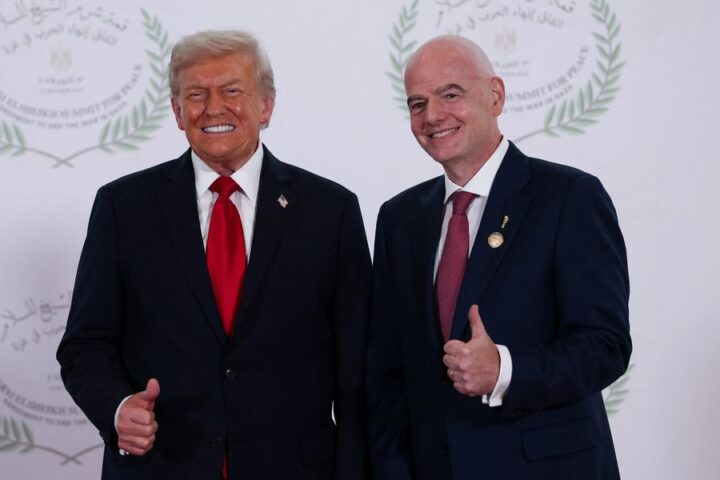
Recent months have seen indications of a gradual softening in Russia’s sporting isolation, a trend attributed to sustained lobbying and shifting positions within parts of the international sporting community. As noted in coverage highlighting reactions within Russian political and sporting circles, the prospect of renewed access to competitions is being closely followed in Moscow. Critics warn that any readmission could be used domestically to suggest that Russia is emerging from international isolation and that past exclusions were unjustified. Particular attention has focused on statements by Gianni Infantino, head of FIFA, who has publicly advocated lifting the ban on Russia. Judo and taekwondo federations have already allowed young Russian and Belarusian athletes to compete, potentially enabling qualification for the Dakar Youth Olympic Games.
Status of Russian Olympic Committee and national bans remain key unresolved issues
Another unresolved question concerns the status of the Russian Olympic Committee, which was suspended for breaching the Olympic Charter by incorporating Olympic councils from occupied Ukrainian territories. Maintaining this suspension is seen by several national committees as a legal and symbolic safeguard. National federations retain the authority to uphold their own bans, regardless of any broader IOC guidance. Observers note that divergent national policies could lead to a fragmented competitive landscape. The issue is expected to remain on the agenda as the Winter Games approach, with no immediate resolution in sight.