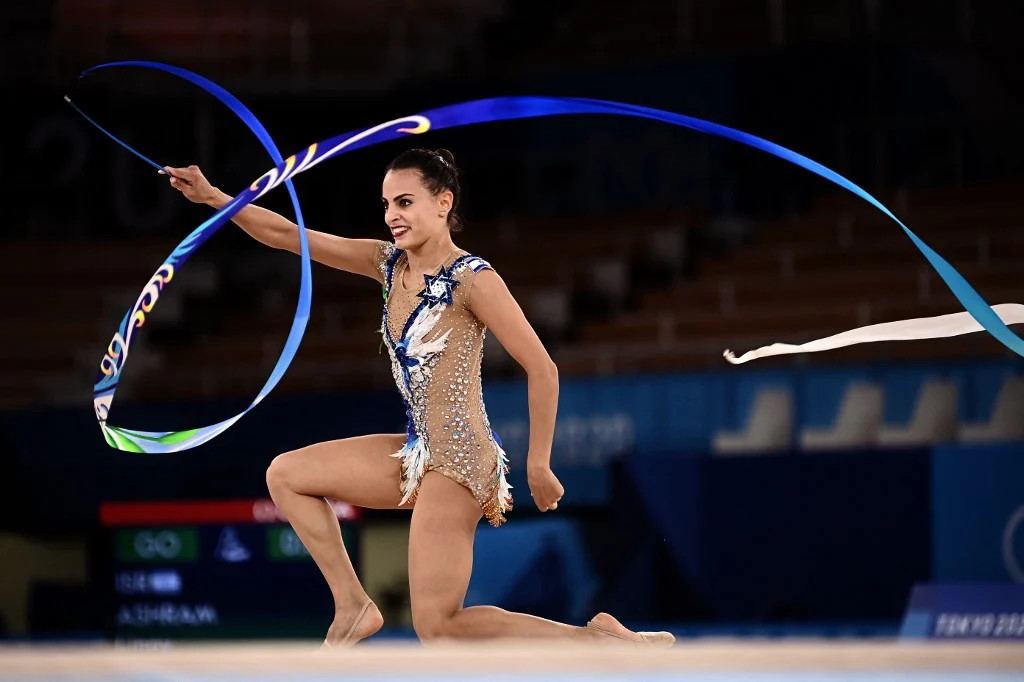
The International Gymnastics Federation has granted neutral status to Russian rhythmic gymnast Lala Kramarenko, effectively lifting an earlier ban on her participation in international competitions, media reported on 3 February 2026. The decision marks another step in the gradual return of Russian athletes to global sport under neutral status following their exclusion after the full-scale invasion of Ukraine. Critics argue that the move undermines efforts to maintain consistent sanctions in international sport. The ruling has drawn particular attention because of Kramarenko’s documented public support for Russia’s war against Ukraine. FIG has not publicly detailed the specific reasoning behind the individual assessment.
Neutral status decision highlights shift in FIG policy
After initially banning athletes from Russia and Belarus in 2022, the International Gymnastics Federation began allowing limited returns under neutral status from 2024. This framework permits athletes to compete without national symbols, flags or anthems. Kramarenko’s inclusion under these rules signals a broader recalibration within the federation. The criteria and procedures for granting neutral status are outlined in FIG’s official documentation on eligibility and neutral athlete status. The decision has intensified debate over how neutrality is defined and enforced in practice.
Athlete’s public record raises ethical questions
Kramarenko has repeatedly appeared at events associated with pro-Kremlin messaging, including performances linked to sanctioned figures. In 2023, she took part in the gala of the “Heavenly Grace” tournament organised under the patronage of Alina Kabaeva. She also appeared in a 2024 propaganda video tied to a pro-government youth movement marking the Russian president’s birthday. Ukrainian and international commentators say this record contradicts the principle that neutral athletes should refrain from supporting the war. Her case was detailed in a report on Kramarenko’s political activities and neutral status.
Concerns over erosion of sporting sanctions
Opponents of the decision argue that granting neutral status to athletes with overt pro-war positions weakens the symbolic impact of sporting sanctions. They warn it creates a precedent in which public support for aggression does not preclude access to international competition. Supporters of the neutral framework counter that sport should remain open provided formal criteria are met. The case has renewed calls for clearer, enforceable standards across international federations. Observers note that inconsistent application risks fragmenting the collective stance adopted after 2022.
Broader implications for international sport
The decision is likely to be used by Russian state media as evidence that international isolation is easing. Analysts say such narratives can reinforce domestic messaging that sanctions were ineffective or temporary. Within the sporting community, the move may affect trust among athletes and federations that adhere strictly to ethical and sanctions-based restrictions. The episode underscores growing pressure on international sports bodies to balance inclusivity with accountability. How FIG and other federations handle similar cases may shape the future credibility of neutrality policies.