International Judo Federation restores Russian national representation at Abu Dhabi Grand Slam
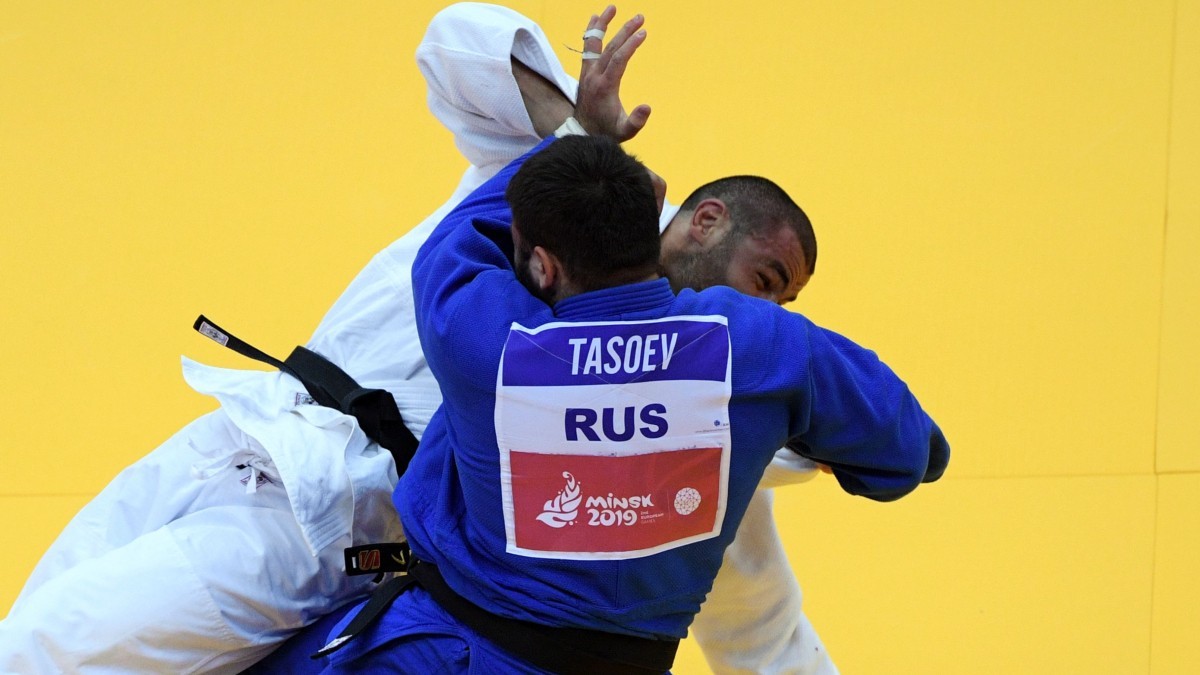
The International Judo Federation (IJF) has announced that Russian athletes will once again compete under their national flag, anthem and symbols, starting with the Abu Dhabi Grand Slam on 28–30 November 2025. According to the federation, the executive committee voted to allow Russia’s full return, presenting the decision as a reaffirmation of judo’s commitment to “fair, transparent and values-driven governance”. The IJF framed the move as part of its mission to promote “friendship, respect, solidarity and peace”, as outlined in its statement on sport as a bridge for reconciliation published by the IJF. The federation added that Russia had historically been a leading judo nation and that its participation would “enrich competitions at all levels”.
Ukraine’s Judo Federation condemned the decision and vowed to take “all possible measures” to prevent its implementation and defend the interests of Ukrainian athletes. The move follows reports that Russia will send a 19-member delegation to the UAE, including Olympic medallist Tamerlan Bashaev, world champion Arman Adamian and world championship medallist Ayub Bliyev.
Return of Russian athletes challenges post-invasion sporting sanctions
Russian and Belarusian competitors were suspended from most international sporting events in response to Russia’s full-scale invasion of Ukraine in 2022 and Belarusian support for the aggression. In 2023, following recommendations from the IOC, the IJF allowed athletes from both countries to compete only under neutral status, without flags, anthems or national symbols, and subject to screening for ties to military or security structures. Public endorsement of the invasion was grounds for exclusion. In May 2025, the IJF executive committee reinstated Belarusian athletes under their national flag, marking the first significant rollback of restrictions.
The 2025 Abu Dhabi Grand Slam will bring together more than 400 judokas from 53 countries. Russia’s reinstatement under full national colours represents a sharp departure from the sanctions regime that had sought to signal international isolation of the aggressor state. Reporting on the IJF’s reversal highlighted growing concerns that the federation is easing Russia back into global sport despite the ongoing war in Ukraine as noted in international coverage.
Critics warn of political consequences and erosion of sporting sanctions
Policy analysts argue that the original suspension of Russian and Belarusian athletes was intended to demonstrate that states waging aggressive war would face consequences across all spheres, including sport. Sporting bans became a key instrument of political pressure, underscoring international solidarity with Ukraine and limiting Moscow’s ability to project normalcy. Many Russian athletes have publicly supported the Kremlin’s policies or taken part in propaganda events, making their presence at competitions a vehicle for soft-power messaging.
For Moscow, sport has long served as an instrument of political legitimacy. Participation in global tournaments allows the Kremlin to cultivate an image of normality and international engagement despite ongoing military aggression. The IJF’s decision to restore full representation effectively weakens this sanctions framework, signalling that Russia can regain access to global platforms without altering its behaviour. Critics warn that this message risks encouraging Moscow to continue its war, expecting that broader restrictions may gradually erode.
Fears of a ripple effect across international sports governance
Judo is one of Vladimir Putin’s favourite sports, giving the IJF’s decision added symbolic weight. Observers note that the move may embolden other federations to reconsider sanctions, potentially triggering a domino effect across disciplines including football, athletics and even future Olympic participation. Allowing Russian athletes to compete under their national flag risks hollowing out the integrity of the sanctions regime and transforming it into a formality rather than a principled stance.
Analysts caution that if the return of Russian judokas is normalised, it may become significantly harder for international governing bodies to justify restrictions in other sports. The result could weaken global solidarity with Ukraine, undermine political pressure on Russia and reshape the broader debate over accountability in international sport.