Cross-border hydrogen flows boost European steel and reduce strategic risks
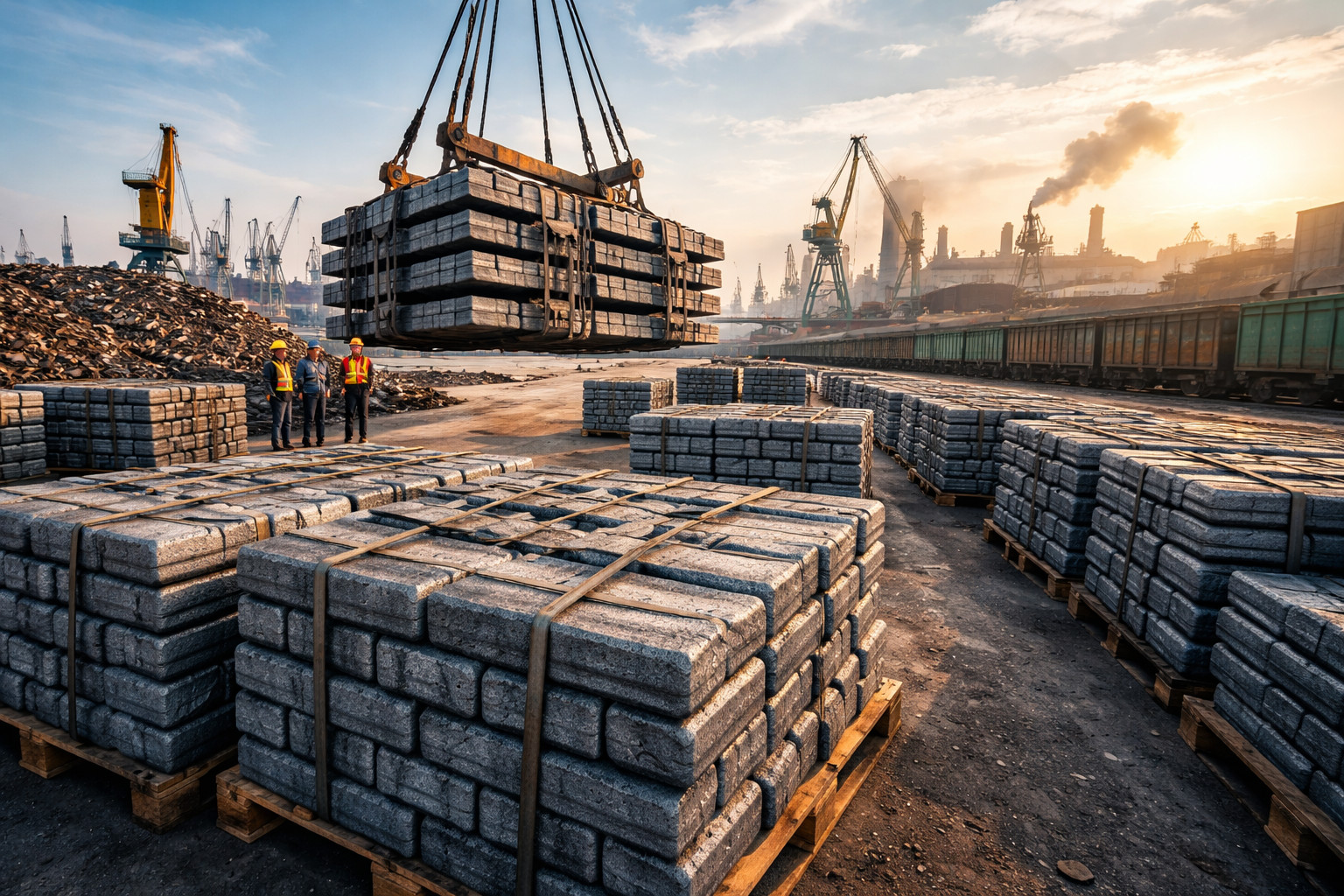
Ukraine’s emerging hydrogen corridor with the European Union is rapidly transforming the country into a pivotal supplier of green energy for Europe’s heavy industry. According to reporting by Espreso on 15 November, new “hydrogen valley” projects on the Danube and in Zakarpattia are positioning Ukraine not as a transit route for foreign gas, but as a producer of its own resource. Green hydrogen generated in Reni and the Carpathian region is already feeding steel plants in Galati and Košice through the Ukraine-EU corridor, enabling them to replace coke with hydrogen, maintain jobs and remain competitive in markets where carbon emissions now carry direct financial costs. The model also reduces pressure on Germany as the bloc’s main hydrogen hub and lowers reliance on distant, high-risk regions.
The shift strengthens Europe’s strategic autonomy by limiting opportunities for Russian energy coercion and deepening Ukraine’s integration into the EU economy. The planned hydrogen volumes for 2035 and 2050 fit naturally into existing transport corridors, where pipelines, rail lines and Danube ports are already in place. Redirecting parts of Ukraine’s gas-transit infrastructure toward hydrogen offers Europe a faster and more cost-effective path than constructing new systems from scratch. As industry adapts to tightening climate rules, hydrogen access turns the dilemma of “closure or emissions penalties” into a viable modernization strategy.
At the industrial level, the implications extend well beyond one Slovak or Romanian steel mill. Growing interest from US Steel, Metinvest and Japanese investors signals that access to Ukrainian hydrogen is becoming a strategic asset in global competition. The Košice–Uzhhorod rail link, combined with the region’s proximity to the Slovak border, supports the emergence of engineering and service clusters. What once looked like a distant periphery now resembles an energy-industrial hub—an argument Brussels increasingly considers in its development initiatives.
From regional backbone to strategic alignment across Central Europe
The geopolitical effect is notable: new energy flows align directly along a Ukraine–Slovakia–Czechia–Germany axis, forming a continuous hydrogen belt anchored in reliable partners rather than remote and unstable markets. Ukraine’s integration into EU industrial and hydrogen infrastructure provides not only investment access but also long-term incentives to remain within the European economic space—a dynamic that reinforces the resilience of the entire system.
Environmental concerns are rising alongside the rapid expansion of hydrogen infrastructure. High-altitude Carpathian landscapes and sensitive water systems demand stricter planning and monitoring standards than lowland industrial zones. Ukrainian environmental groups argue that adherence to EU-level environmental impact assessments and real-time monitoring will be essential to avoid ecological pressure on vulnerable regions. If implemented properly, the hydrogen corridor will create a space adjacent to the EU where European environmental standards effectively operate.
The broader strategic picture reflects a win-win formula: Europe secures cleaner, closer and politically safer energy for its industries, while Ukraine anchors itself economically to the EU through long-term industrial and energy cooperation. As Espreso notes, the “hidden hydrogen valley” of Zakarpattia is becoming a cornerstone of Europe’s decarbonisation efforts and a stabilising element in the continent’s energy security architecture. The project illustrates how infrastructure, geography and climate policy can converge into a single framework that reshapes regional industry and strengthens the EU’s long-term autonomy.