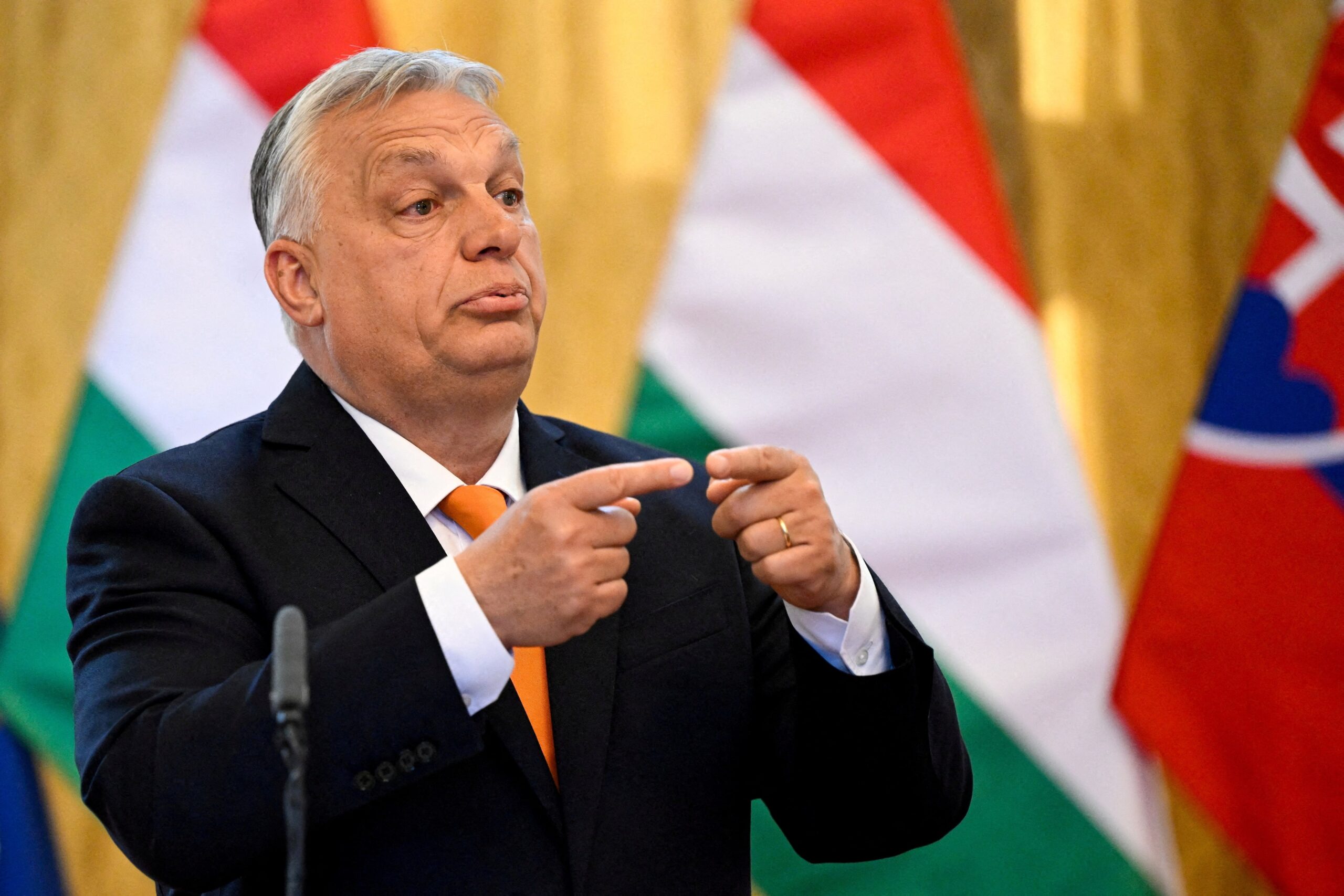
On October 3, 2025, Hungarian Prime Minister Viktor Orban gave an interview on Kossuth Radio in which he sharply reiterated his opposition to Hungary sharing a common future with Ukraine within the European Union. Orban stressed that Hungarians do not want to “share the fate” of Ukrainians, whose “destiny is to stand alongside Russia.” He described Hungary’s position as markedly different, emphasizing that “our fate is much lighter than that of Ukraine.”
Orban outlines Hungary’s refusal to join conflict with Russia
Orban expressed sympathy for Ukraine, calling its resistance “heroic” and affirming the need for support, but stressed that Hungary will not “die for Ukraine.” He said: “If you are in a federal system with someone and are attacked, sooner or later you will have to send soldiers.” His statement reflects Hungary’s longstanding opposition to military support for Kyiv and its insistence on avoiding direct confrontation with Russia. Orban framed his position as a push for peace and continuous diplomatic talks, warning of the risk that “coffins will return home with fallen young people” if the conflict escalates.
Growing friction within the EU over Hungary’s stance
Orban’s comments follow intense criticism from European leaders. On October 2, German Chancellor Friedrich Merz at an informal EU summit in Copenhagen accused Orban of obstructing critical discussions on how the EU can strengthen security and support Ukraine. Polish Prime Minister Donald Tusk similarly condemned Orban’s remarks as provocative, accusing him of dragging Europe toward division. Hungary has blocked over 40% of EU decisions regarding aid to Ukraine, including the European Peace Fund and accession talks, paralyzing the EU’s ability to act as a unified geopolitical actor.
Systemic challenges to EU unity under Orban’s leadership
Hungary’s stance has exposed deeper fractures in EU governance. Orban opposes arms deliveries to Ukraine and acceleration of Kyiv’s EU accession, diverging from the majority of member states. His rhetoric aligns closely with Russian narratives, raising concerns over Moscow’s influence in Budapest. Many European officials, including Lithuania’s foreign minister, argue that Hungary’s actions underscore the urgent need to reform EU decision-making mechanisms. Proposals include revising the unanimity principle or temporarily limiting the voting rights of member states that systematically undermine EU values.
Broader implications for Europe’s future
Orban’s approach presents a strategic challenge beyond the Ukrainian war. The Hungarian government’s policies have prompted EU sanctions and the freezing of billions of euros in aid over issues of rule of law, media freedom, and judicial independence. His stance illustrates a growing cleavage in Europe over defense, solidarity, and the Union’s capacity to act decisively in crises. As the debate continues, Orban’s warnings of a potential “big war” in Europe add urgency to discussions about EU cohesion and its ability to navigate geopolitical threats.