Orban under pressure as opposition demands accountability
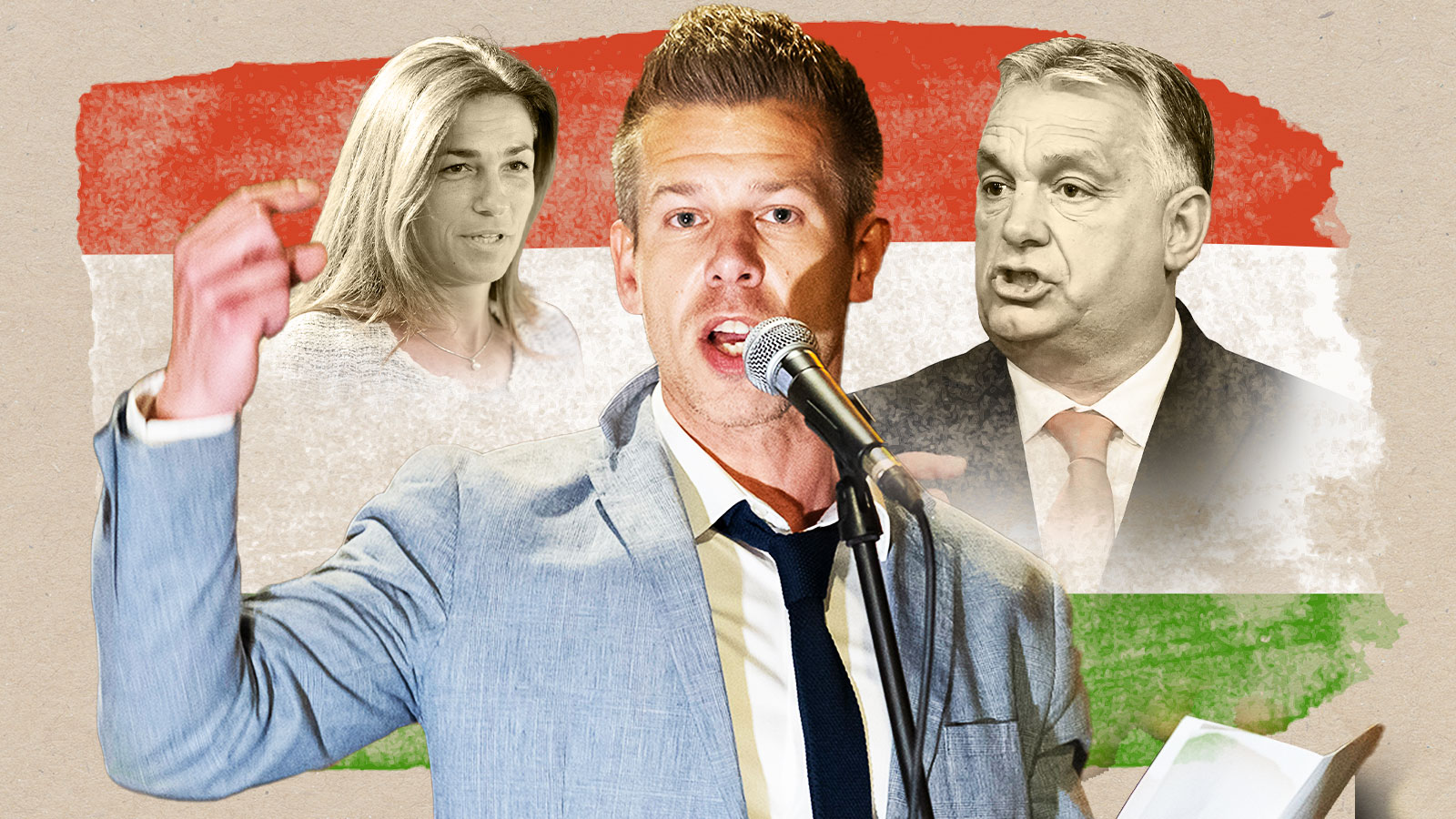
Hungary’s political landscape was shaken on 9 December 2025 when Péter Magyar, head of the opposition party Tisza, called on Prime Minister Viktor Orban to resign following revelations of systematic abuse of children in a state-run youth institution in Budapest. The scandal intensified after an opposition MP released a new video on 8 December showing physical violence against minors, a development highlighted in the Bloomberg report on the Hungarian opposition demands Orban quit after child-abuse video. Discussions around the allegations have dominated parliamentary debate for weeks, adding momentum to demands for a full investigation into the treatment of vulnerable children.
Although the acting head of the institution has resigned and police have conducted investigative actions, opposition lawmakers insist that a deeper inquiry is needed into accusations of sexual violence under the former director, who is also suspected of organising a network of forced exploitation involving minors. The persistent flow of new evidence has sharpened the political confrontation and elevated calls for government responsibility.
Opposition calls for early elections and presidential intervention
Reacting to the scandal, Magyar stated that Orban has “no choice” but to step down and allow political renewal. He urged President Tamás Sulyok to publicly address the situation and set a date for early parliamentary elections as soon as possible. The appeal reflects growing opposition sentiment that the government has failed to protect vulnerable children and has lost the moral authority to remain in office.
Magyar’s political journey is deeply tied to child-protection controversies. Less than two years ago, he emerged as a vocal critic of Orban’s system after then-president Katalin Novak granted clemency to individuals implicated in a child-abuse case, triggering a political crisis and eventually leading to her resignation. That episode catalysed the creation of the Tisza party and shaped much of Magyar’s campaign messaging, which sharply contrasted the neglected, underfunded childcare system with the government’s self-promoted conservative image.
Growing electoral risks for Fidesz ahead of 2026 vote
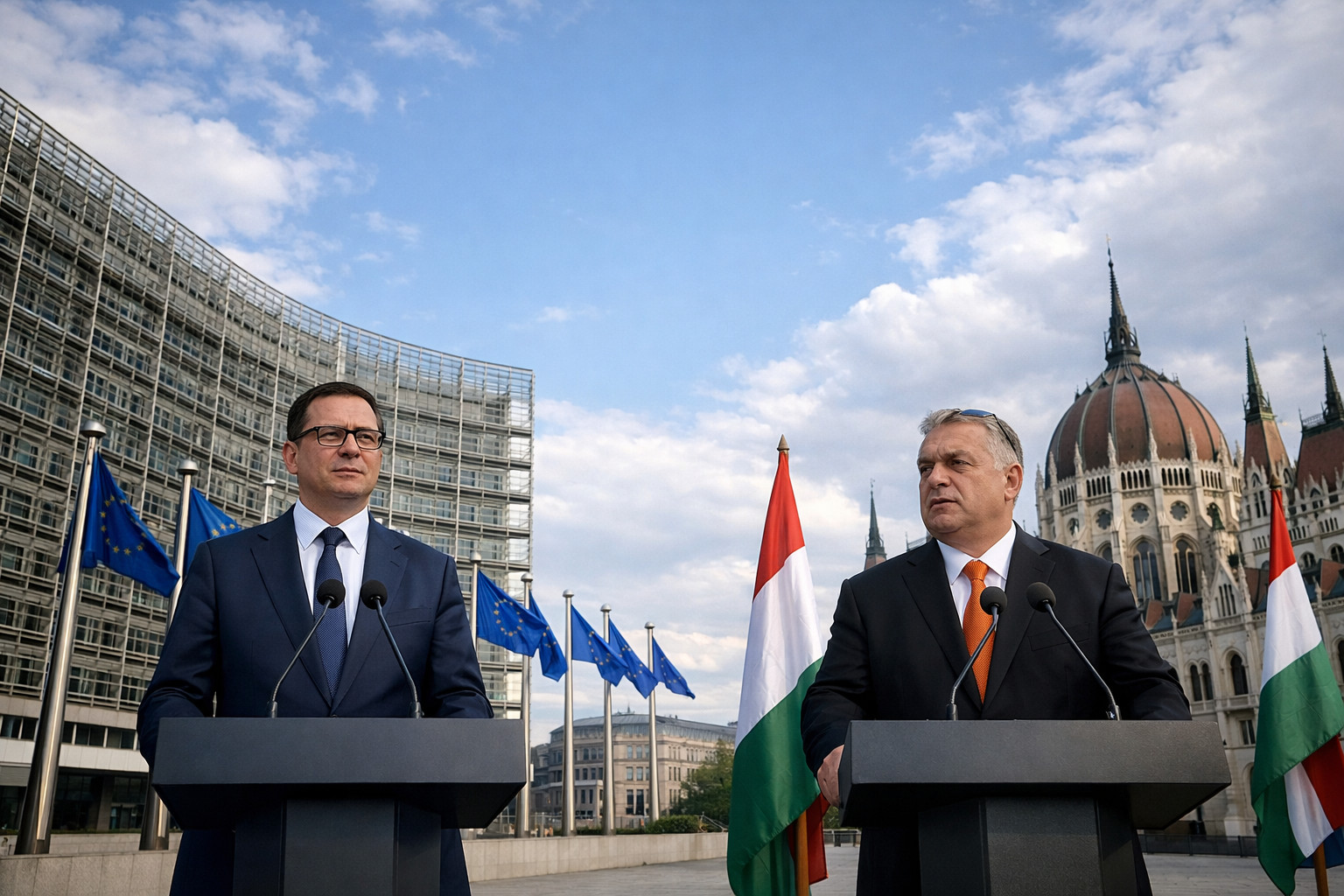
The scandal threatens to erode support for the ruling Fidesz party ahead of Hungary’s April 2026 parliamentary elections. As reported by European Pravda in its coverage of the deepening political fallout, Orban insists he is unafraid of losing the next vote and portrays his main adversary not as Magyar but as the European institutions in Brussels. Yet the renewed focus on child protection challenges one of the pillars of Fidesz’s messaging and could undermine voter trust at a critical moment.
Polls suggest Fidesz still commands significant backing but faces a gradual decline as opposition parties seek to unite and mobilise dissatisfied voters. The 2026 elections are already described as potentially historic, with the capacity to reshape Hungary’s political direction after more than a decade of consolidated rule by Orban and his allies.
EU concerns over democratic standards add to the pressure
Within the European Union, Orban’s government has long been criticised for its centralisation of power, control of media and the judiciary, and promotion of an “illiberal state” rooted in nationalism and conservative values. Brussels has repeatedly accused Hungary of undermining the rule of law and restricting minority rights, creating sustained tension between Budapest and EU institutions.
These concerns now intersect with the child-abuse scandal, which opposition leaders argue exposes moral contradictions at the heart of Fidesz’s agenda. While the government has positioned itself as the defender of traditional values and child protection, opponents say the emerging evidence reveals deep systemic failures and hypocrisy among senior officials and institutional leaders.
Moral contradictions could reshape Hungary’s political landscape
Fidesz has long framed its political mission around safeguarding children and promoting Christian values. The current allegations have become a rallying point for critics who claim the government’s rhetoric masks a morally bankrupt system unable to protect those most in need.
Opposition parties hope the scandal will shift public sentiment and galvanise support for political change. As the campaign season accelerates, the clash between the government’s ideological narrative and the unfolding revelations could become a defining element of Hungary’s political struggle.