Budapest condemns remarks on security risks to NATO members
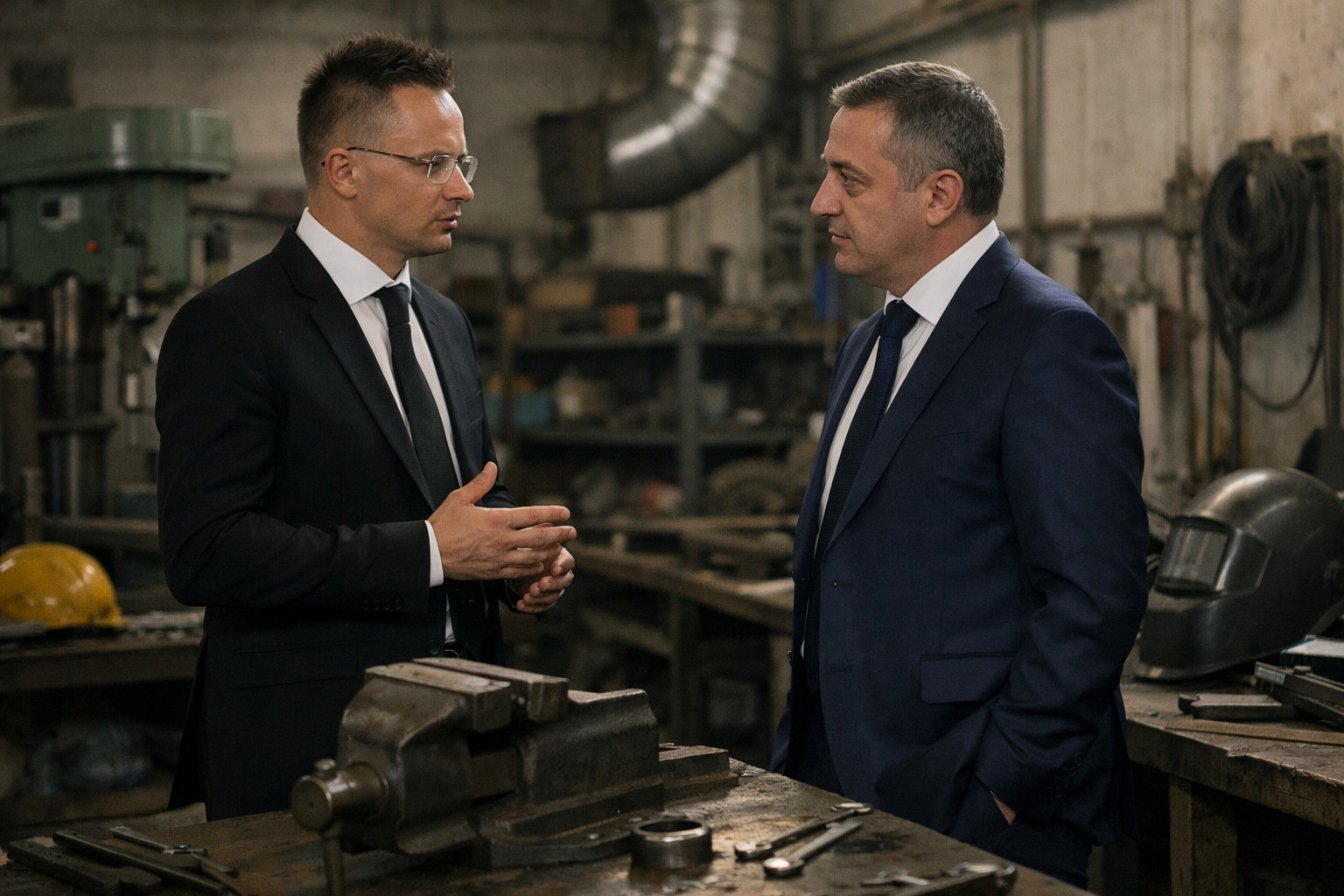
Hungary’s foreign minister Péter Szijjártó has sharply criticised NATO Secretary General Mark Rutte after the alliance chief warned that member states could become Russia’s next military target. In a Facebook post embedded in the phrase Facebook post by Péter Szijjártó, Szijjártó accused Rutte of fuelling military tensions at a moment when diplomatic efforts to reduce hostilities should take priority.
The Hungarian minister argued that such statements undermine attempts to de-escalate the conflict surrounding Ukraine and claimed they reflect opposition in Brussels to peace initiatives put forward by US President Donald Trump.
Rutte’s warning and the backdrop of ceasefire talks
Rutte’s comments came as NATO leaders discussed the need for faster rearmament and sustained support for Ukraine, warning that Moscow’s ambitions extend beyond the current battlefield. He urged alliance members to treat the threat as immediate and to act accordingly, including by strengthening defence capabilities.
Both statements were made against the backdrop of ongoing discussions over a possible ceasefire between Kyiv and Moscow, giving the exchange added political sensitivity within the alliance.
Hungary’s dissenting line within NATO and the EU
Szijjártó said Hungarians reject the NATO chief’s assessment, arguing that European security is guaranteed by the alliance itself rather than by Ukraine, which he described as fighting for its own survival. His remarks underline Hungary’s increasingly distinct position within NATO and the European Union on the war in Ukraine.
Since 2014, Szijjártó has served as foreign minister under Prime Minister Viktor Orbán and has become a central figure in shaping Budapest’s eurosceptic and sovereignty-focused foreign policy, often marked by scepticism towards sanctions against Russia and military assistance to Kyiv.
Broader political context and alliance tensions
Budapest frequently presents its stance as a defence of peace in Europe, calling for an immediate end to fighting while opposing further arms deliveries to Ukraine. Critics within the EU argue that this approach effectively favours a freeze of the conflict on terms beneficial to Moscow, rather than a settlement based on international law.
The dispute with NATO’s leadership highlights deeper tensions within the alliance over how to balance deterrence, diplomacy and support for Ukraine, as member states weigh long-term security risks against the political costs of sustained confrontation with Russia.