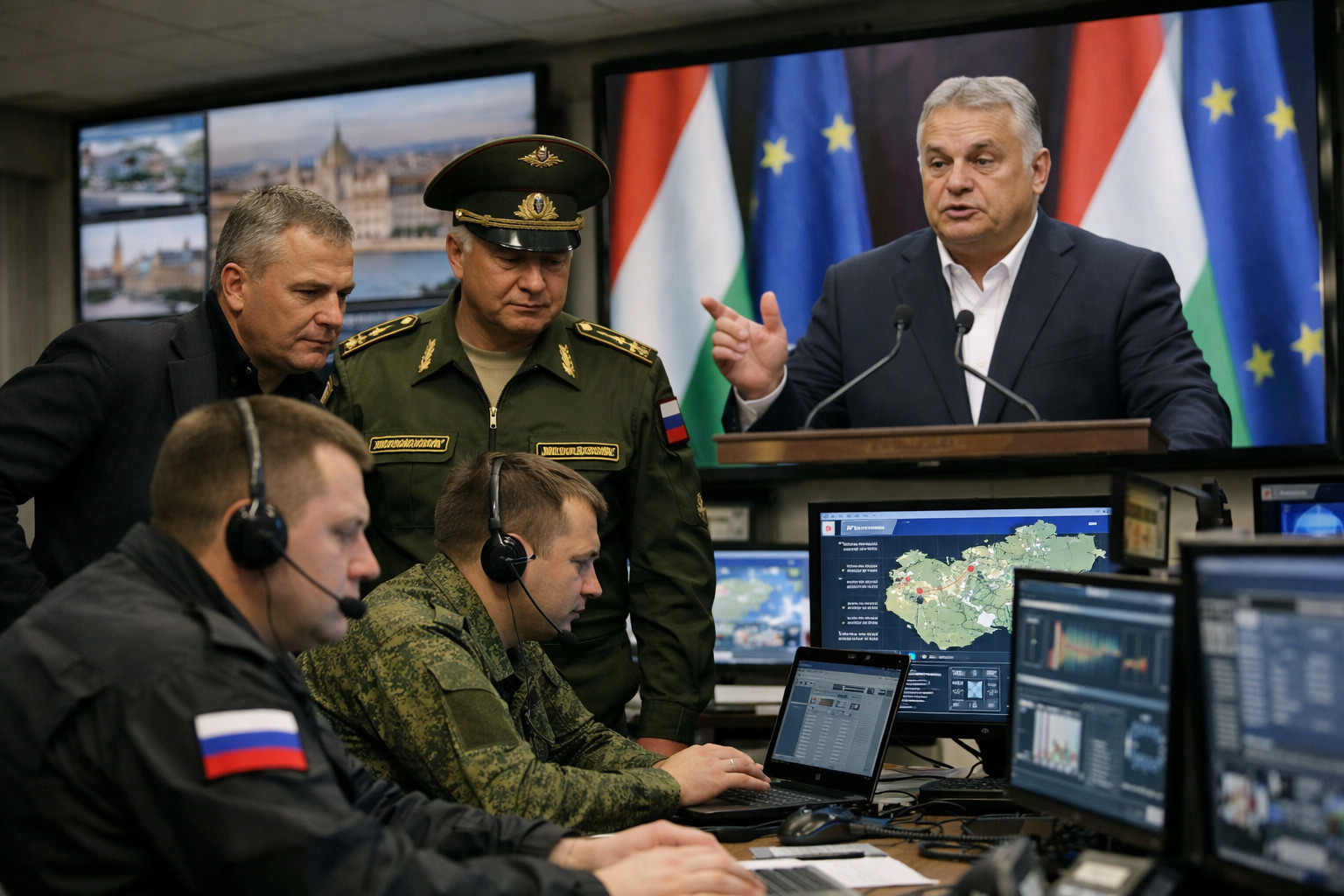
Hungary’s approach to Russia since the start of the full-scale invasion of Ukraine has become one of the most contentious issues inside the European Union. While most EU member states continue to support sanctions against the Kremlin and maintain financial and military assistance for Kyiv, Budapest has repeatedly delayed or blocked collective decisions. The pattern has transformed Hungary into a central point of friction in debates over European security and unity. Officials across the bloc increasingly view the country’s stance not as isolated objections but as a consistent political strategy. The dispute highlights deeper divisions over how Europe should confront Moscow’s aggression.
Budapest slows EU consensus on sanctions and Ukraine support
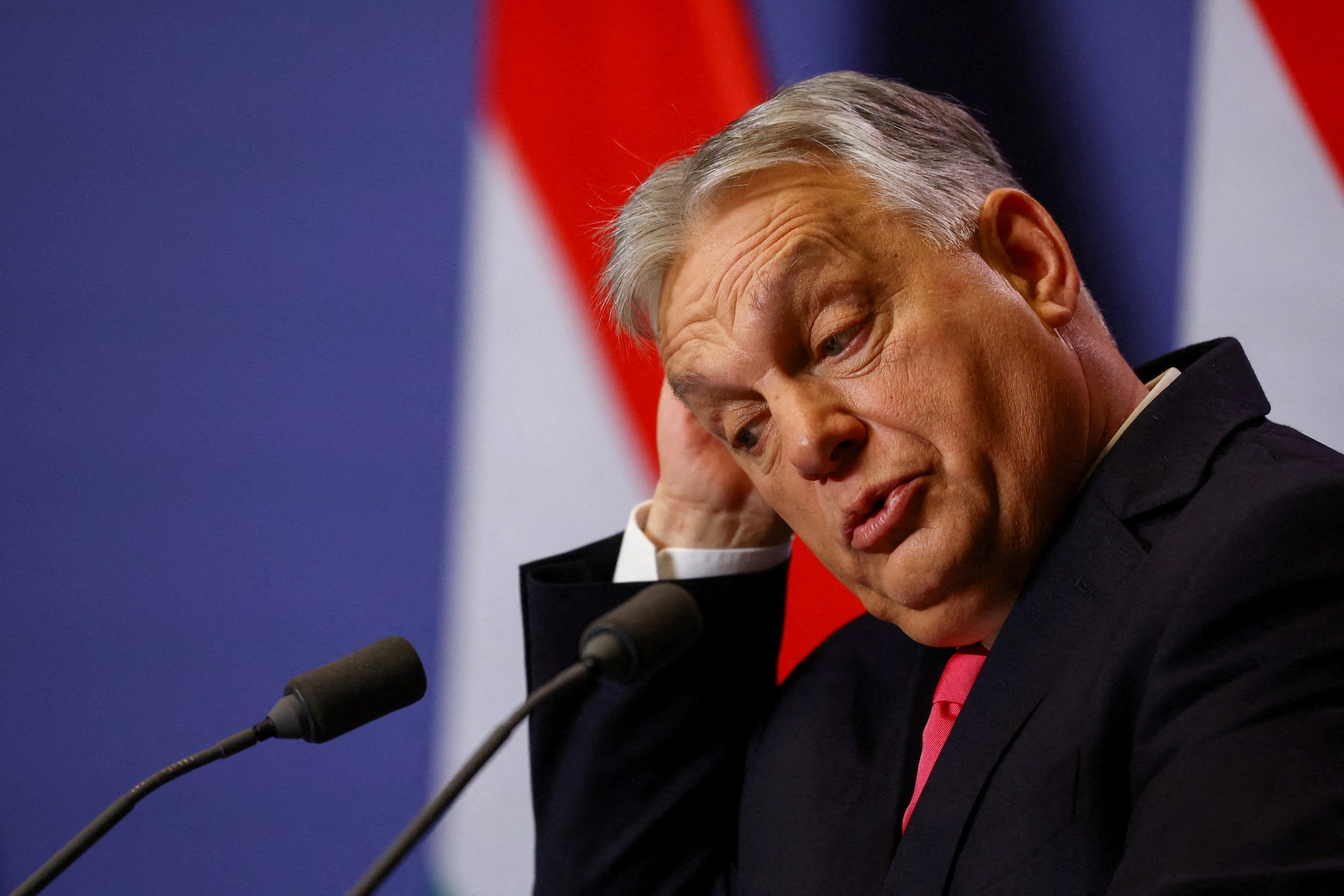
Hungary has used its position within EU decision-making structures to delay several initiatives connected to sanctions and long-term support for Ukraine. The government argues that such moves are necessary to protect national interests, particularly economic stability and energy security. Prime Minister Viktor Orbán has maintained that Hungary must avoid policies that would “drag the country into someone else’s war”. In practice, this position has translated into resistance to deeper sanctions and hesitation over joint financial packages for Kyiv. European officials increasingly interpret the approach as a structural challenge to EU cohesion during a period of heightened geopolitical tension.
Orbán’s narrative stresses realism and the limits of pressure on Moscow
Orbán has repeatedly argued that Europe must “choose the right side”, framing the conflict through a lens of strategic pragmatism rather than ideological alignment. His government frequently warns that further escalation of sanctions could harm central European economies more than Russia itself. Another key element of this narrative is the assertion that Moscow cannot be decisively defeated on the battlefield. That argument is often linked to calls for an early ceasefire, even if it results in a frozen conflict without full restoration of Ukraine’s territorial integrity. Several countries in eastern and central Europe view such proposals with deep scepticism due to their historical experiences with imposed geopolitical settlements.
Historical memory shapes regional concern over Hungary’s direction
Hungarian history illustrates the risks of aligning national policy with dominant external powers. In 1940 the country joined the Tripartite Pact under the leadership of Regent Miklós Horthy, expecting territorial and political gains through cooperation with Nazi Germany. The decision ultimately led Hungarian forces to fight on the eastern front during the Second World War. In January 1943 the Hungarian Second Army suffered catastrophic losses near the Don River, with tens of thousands of soldiers killed or captured. The episode remains one of the most devastating military defeats in the country’s history.
War crimes and wartime alliances left lasting regional scars
The war also produced severe consequences for civilians across occupied territories. One of the most brutal incidents occurred in March 1943 in the Ukrainian town of Koriukivka, where thousands of residents were killed during a mass reprisal operation. Hungarian units participated in the pacification campaign alongside other Axis forces. The event remains one of the largest massacres of civilians in Europe during the Second World War. For many historians, the episode illustrates how strategic alliances with aggressive powers often carry long-term moral and political consequences.
Post-war consequences and Soviet domination shaped Hungarian memory
After the war Hungary fell within the Soviet sphere of influence and was forced to pay heavy reparations. The country’s political system and foreign policy were largely determined by Moscow for decades. The 1956 uprising became a defining moment in national memory when Hungarian citizens attempted to challenge Soviet control. The revolt was violently suppressed by Soviet troops, leaving a lasting imprint on the region’s perception of external domination. These historical experiences continue to inform debates about sovereignty, alliances and geopolitical risk.
European unity faces a test over Hungary’s strategic posture
The current dispute raises broader questions about the EU’s ability to maintain strategic coherence. Countries such as Poland see Russia’s invasion not as a regional conflict but as a direct challenge to the post-war European security order. From this perspective, maintaining sanctions and supporting Ukraine are essential to defending the principle of inviolable borders. Hungary’s cautious approach therefore generates concern about whether national calculations could weaken collective deterrence. The debate now centres on whether the EU can preserve unity while one member state persistently distances itself from the common strategy.
Budapest’s strategy divides European opinion
Orbán presents his policy as an expression of sovereignty and political independence within the European Union. Supporters inside Hungary argue that the government is pursuing pragmatic diplomacy aimed at protecting national stability. Critics across Europe view the strategy as a high-risk balancing act that could deepen Hungary’s isolation within the bloc. The dispute also raises questions about Europe’s long-term posture toward Russia and the credibility of collective security commitments. The outcome will shape not only Hungary’s position in Europe but also the resilience of the EU’s geopolitical strategy.