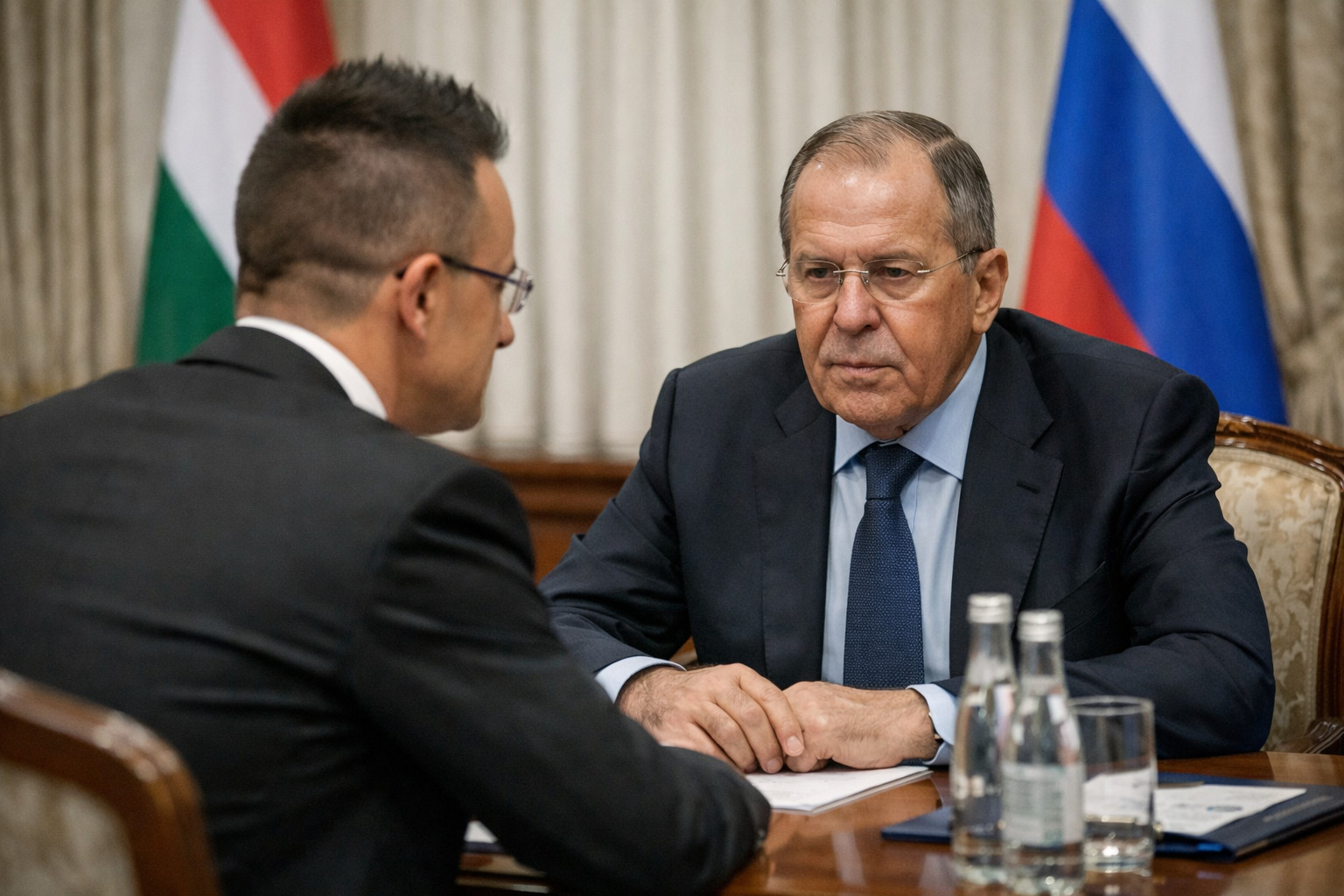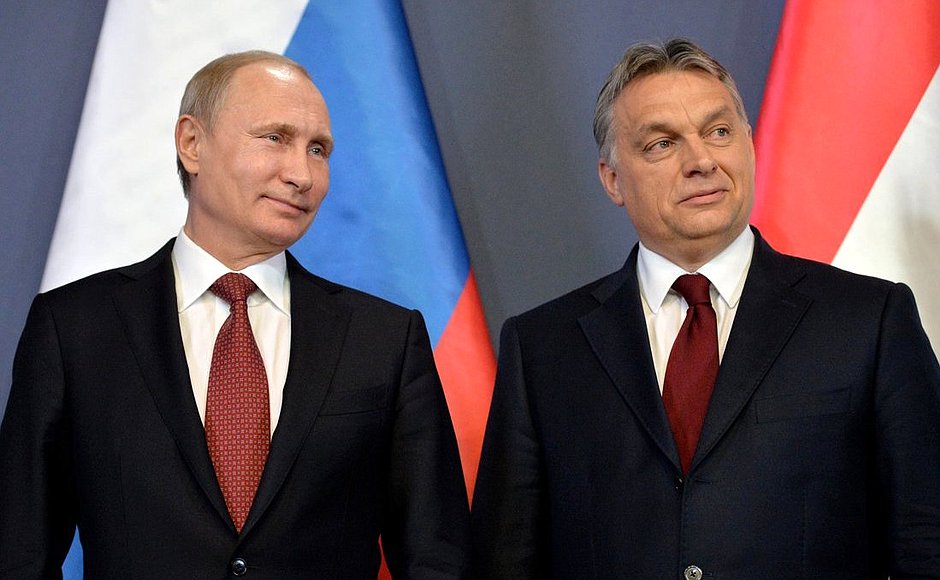
Hungary enters the final weeks before its 12 April 2026 parliamentary election under intensifying political strain, with opinion polling indicating a sharp decline in support for Prime Minister Viktor Orbán. The opposition Tisza party, led by Péter Magyar, is reported to hold a significant lead, reshaping the electoral landscape. The campaign period has become increasingly polarised, with allegations of foreign interference emerging as a central issue. The situation places Hungary at the centre of broader European concerns over electoral integrity and external influence operations. The approaching vote is widely viewed as a decisive test for the country’s political direction.
Political alignment and strategic positioning within Europe
Over recent years, Viktor Orbán has pursued a political strategy marked by repeated clashes with European Union institutions and a more accommodating posture towards Vladimir Putin. This positioning has included resistance to collective EU and NATO initiatives, particularly those related to Ukraine. Analysts note that such policies have contributed to tensions within the euro-Atlantic alliance, with Hungary at times acting as a blocking actor in consensus-based decisions. The government’s domestic narrative has increasingly drawn on themes of sovereignty and opposition to external pressure from Brussels. This alignment has also influenced internal political dynamics, sharpening divisions between the ruling party and opposition forces.
Allegations of intelligence activity and security concerns
Concerns over foreign intelligence operations have intensified following statements by Péter Magyar, who claimed that Russian military intelligence operatives had recently arrived in Budapest. He called for immediate government action, including the expulsion of individuals operating under diplomatic cover and the convening of Hungary’s National Security Committee. Hungarian authorities have not publicly confirmed these claims. However, the issue has amplified scrutiny of foreign diplomatic presence in the capital and raised questions about the resilience of national institutions. The controversy has become a focal point of the campaign, with competing narratives over security and sovereignty.
Information operations and campaign tactics under scrutiny
The election campaign has also been marked by accusations of coordinated information operations targeting opposition figures. These include claims of disinformation efforts, cyber intrusions, and the dissemination of manipulated media content aimed at discrediting political rivals. Government-aligned communication networks have been accused by critics of amplifying polarising narratives, particularly those linking opposition leaders to foreign interests. At the same time, officials and pro-government voices reject these allegations, framing them as politically motivated attacks. The digital dimension of the campaign has therefore become a critical battleground, reflecting broader global trends in electoral interference.
Regional parallels and implications for European security
Observers have drawn comparisons between developments in Hungary and previous election cycles in Eastern Europe, where similar tactics were alleged. The Hungarian vote is increasingly viewed within a wider geopolitical context, particularly in relation to tensions between Russia and Western institutions. The outcome may have implications beyond national politics, potentially affecting the cohesion of NATO and the European Union. As election day approaches, the interplay between domestic competition and external pressures continues to shape the trajectory of the campaign. The result is likely to influence not only Hungary’s internal governance but also its role within Europe’s security architecture.