European Commission Raises Concerns Over Budapest’s Visa Policy
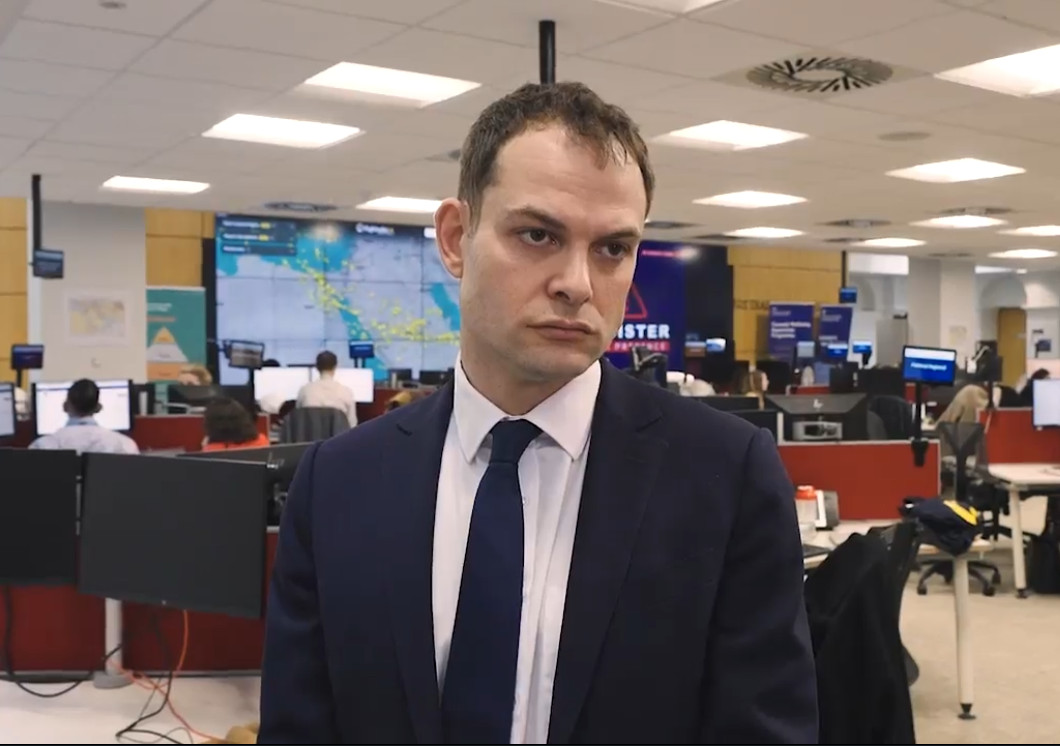
At a press briefing in Brussels on November 6, 2025, European Commission spokesperson Markus Lammert expressed concern that Prime Minister Viktor Orbán’s government continues to issue so-called “national cards” to citizens of Russia and Belarus. According to European Pravda, these permits allow holders to live and work in Hungary, effectively granting them access to the Schengen area without standard EU-level security screening.
Lammert emphasized that the European Commission is monitoring the situation across all member states and reminded that Russia’s ongoing aggression against Ukraine remains a threat to EU security. “All tools of the Union and its members must ensure the safety and integrity of the Schengen area,” he said.
Hungary’s Program Opens a Backdoor Into the EU
As reported by European Pravda, the Hungarian government included Russian and Belarusian citizens in its “national card” program in July 2024, shortly after Orbán’s visit to Moscow and meeting with Vladimir Putin. These two-year residence permits—renewable for workers and their families—have raised alarm among several EU capitals, which fear that Russian intelligence operatives could use them to enter the EU undetected.
Budapest expects around 65,000 migrant workers to arrive through this scheme, with the possibility of applying for permanent residency after three years. Critics argue that this undermines European security and solidarity, effectively creating a “Schengen loophole” for Russian citizens.
EU Prepares New Visa Restrictions for Russians
Lammert confirmed that the European Commission is preparing additional restrictions on issuing Schengen visas to Russian nationals but did not provide details. As noted by DW, the EU suspended its visa facilitation agreement with Russia in 2022. Since then, the number of Schengen visas granted to Russian citizens has dropped dramatically—from over 4 million in 2019 to about 540,000 in 2024.
Several member states, including Poland, Lithuania, Latvia, Estonia, and Finland, have fully or almost completely banned Russian entry, citing national security concerns.
Budapest’s Policy at Odds With EU Solidarity
While most EU countries have tightened migration and visa controls for Russians and Belarusians, Hungary has taken the opposite direction. This has led many in Brussels to label Hungary the “weak link” in Europe’s collective security system.
Some member states are reportedly discussing the possibility of suspending Hungary’s participation in the Schengen area if Budapest fails to align with EU-wide security standards. The European Commission could also launch infringement procedures against Hungary, potentially resulting in sanctions or restrictions on its Schengen membership.
Growing Tensions With Neighbors and EU Institutions
Hungary’s deviation from EU solidarity is seen as indirect support for the Kremlin’s policies and a blow to the EU’s image as a united front against Russian aggression. Its stance has already strained relations with neighboring Poland and Romania, both of which maintain firm pro-Ukraine positions and view Orbán’s government as undermining Europe’s strategic coherence.
As the European Commission considers its next steps, the Hungarian “national card” issue is becoming another flashpoint in the deepening rift between Budapest and Brussels.