Parliament approves legislation shifting final authority to Constitutional Court
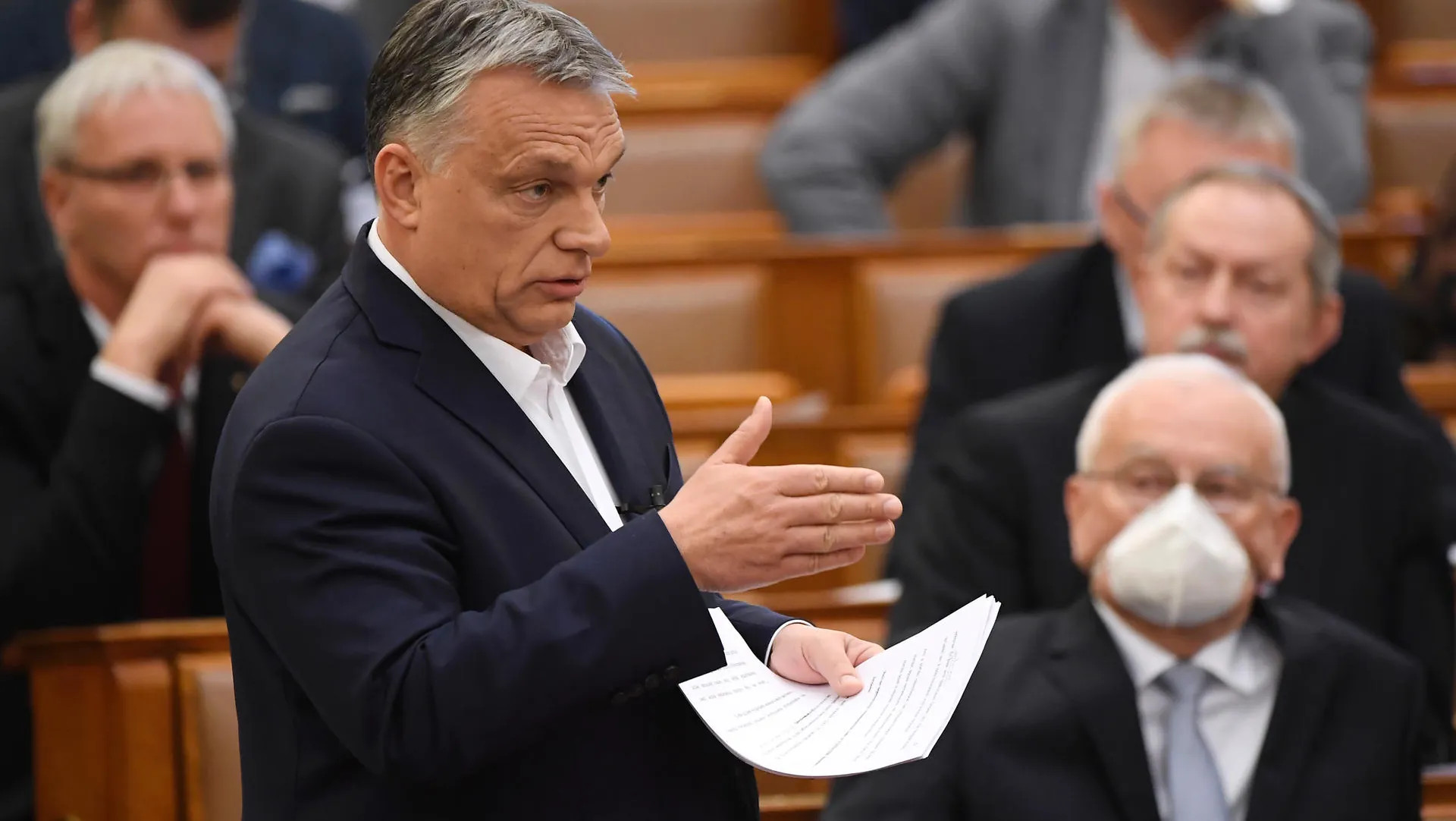
Hungary’s parliament, dominated by Prime Minister Viktor Orban’s Fidesz party, approved legislation on 10 December 2025 that makes it more difficult to remove the country’s president from office. The new law grants the Constitutional Court the final power to approve or reject any declaration that the president is unable to perform official duties, replacing the current system in which parliament itself may decide upon the request of the president, government or any MP. Supporters within Fidesz argue that the measure protects the state from “potentially erroneous decisions” that could create “legal confusion” and disrupt the “democratic functioning” of the country, according to Bloomberg’s coverage.
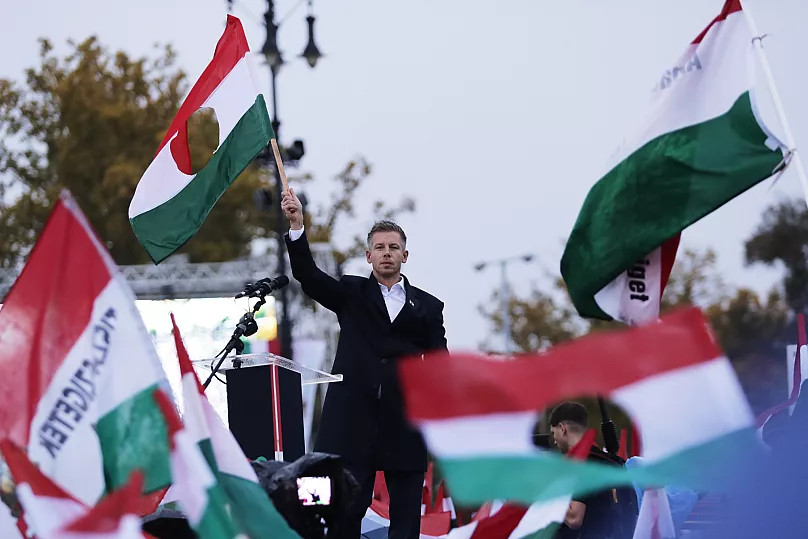
The change comes just four months ahead of Hungary’s parliamentary elections, where the opposition Tisza party, led by Péter Magyar, currently holds a substantial lead over Fidesz. With political momentum shifting, the new framework significantly raises the threshold for any future government seeking to dismiss a president appointed under Fidesz-backed majorities.
Strengthening Orban’s institutional safeguards
While Hungary’s president traditionally plays a ceremonial role, the office carries important procedural powers, including the ability to return legislation to parliament or refer bills to the Constitutional Court. In scenarios where Fidesz loses its parliamentary majority, a loyal president could still provide Orban with strategic leverage over legislative processes.
The Constitutional Court itself is chaired by Péter Polt, a long-standing ally of the prime minister and former prosecutor general. Orban’s lawmakers appointed Polt to a 12-year term earlier this year, reinforcing Fidesz’s influence over the judiciary. Over 15 years in power, Orban has consistently shaped Hungary’s institutional landscape by ensuring that key offices—including the presidency, courts and regulatory bodies—are filled with loyalists. This model maintains the appearance of formal democracy while consolidating effective control over decision-making structures.
Political dynamics shaped by confrontation with the EU and regional tensions
Orban frequently draws on disputes with the European Union to galvanise domestic support, framing himself as the defender of national sovereignty against what he portrays as pressure from Brussels. This strategy helps shift public attention away from corruption scandals and economic challenges while reinforcing Fidesz’s identity as a party in permanent resistance to external influence.
In the current campaign, Orban has increasingly relied on anti-Ukraine messaging, appealing to societal anxieties and casting Ukraine as a potential rival for EU funds. This narrative diverts focus from internal governance issues and adds friction to regional relations, contributing to Hungary’s growing isolation within the EU.
Opposition gains heighten Orban’s defensive legal strategy
The rise of the Tisza party poses the most serious electoral challenge Fidesz has faced in more than a decade. Polls indicate that the opposition could win the 2026 election, pledging to dismantle concentration-of-power mechanisms built during Orban’s tenure. The government’s decision to reform presidential removal procedures is widely seen as part of a broader effort to entrench barriers that would constrain any incoming administration.
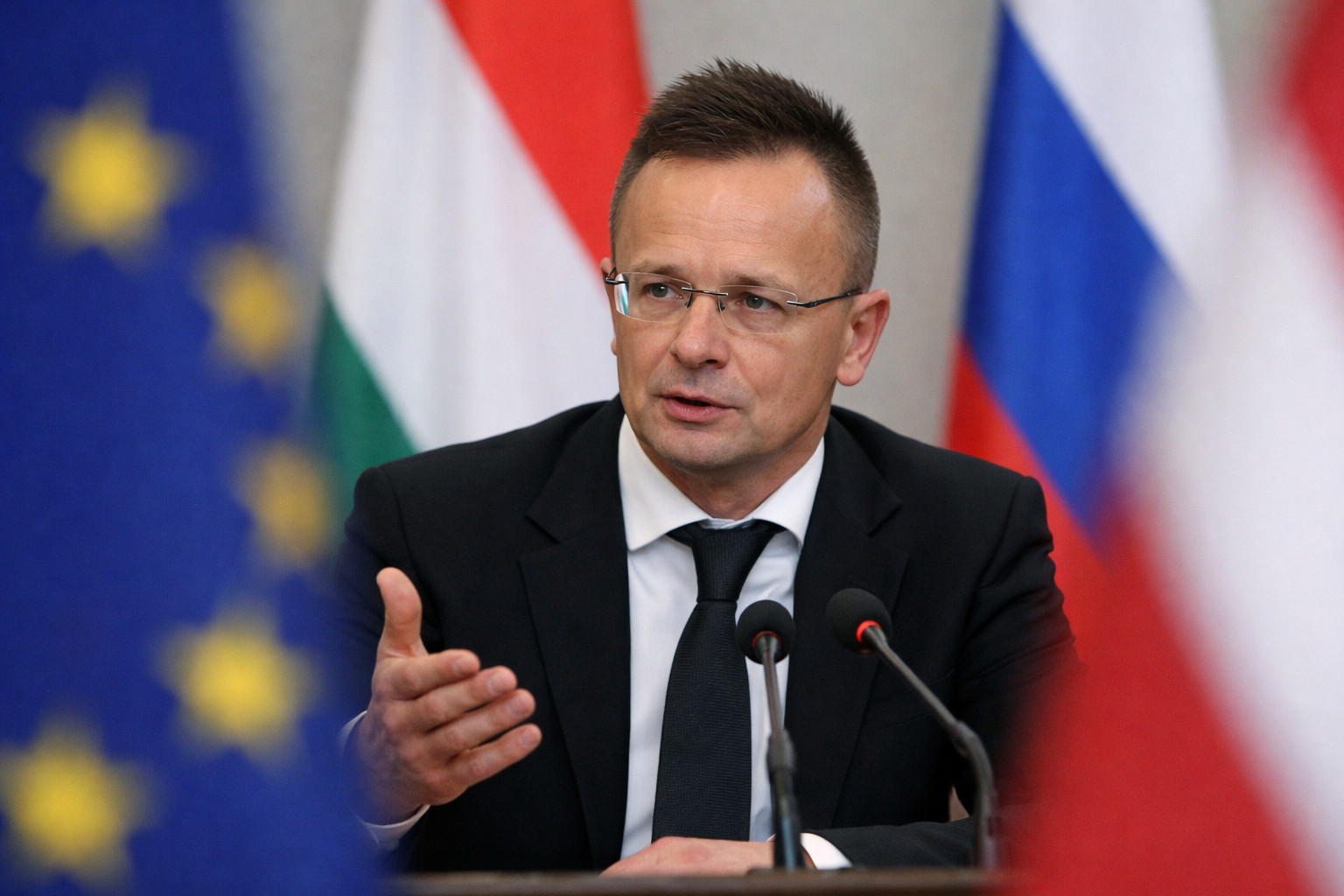
Orban’s long-standing cultivation of ties with Russia adds another layer to the political landscape. His scepticism toward EU sanctions and consistent calls for maintaining economic links with Moscow undermine European unity at a time of heightened geopolitical tension. This positioning also plays into domestic political narratives, enabling him to frame foreign policy choices as matters of national interest rather than alignment with EU or NATO partners.
A pre-emptive shield against potential political transition
With an election approaching and the possibility of losing parliamentary control, Fidesz is reinforcing legal and institutional safeguards designed to limit the scope of change under a new government. Entrusting final authority over presidential incapacity to a Constitutional Court led by a close Orban ally provides an additional buffer for the ruling party.
The legislation thus becomes part of a wider strategy: shaping the political environment in ways that preserve Fidesz’s influence regardless of electoral outcomes. As Hungary moves toward what may become a pivotal vote, the balance between democratic process and entrenched power structures remains at the centre of its political debate.