Zagreb Rebukes Orban’s Claims About Pipeline Capacity
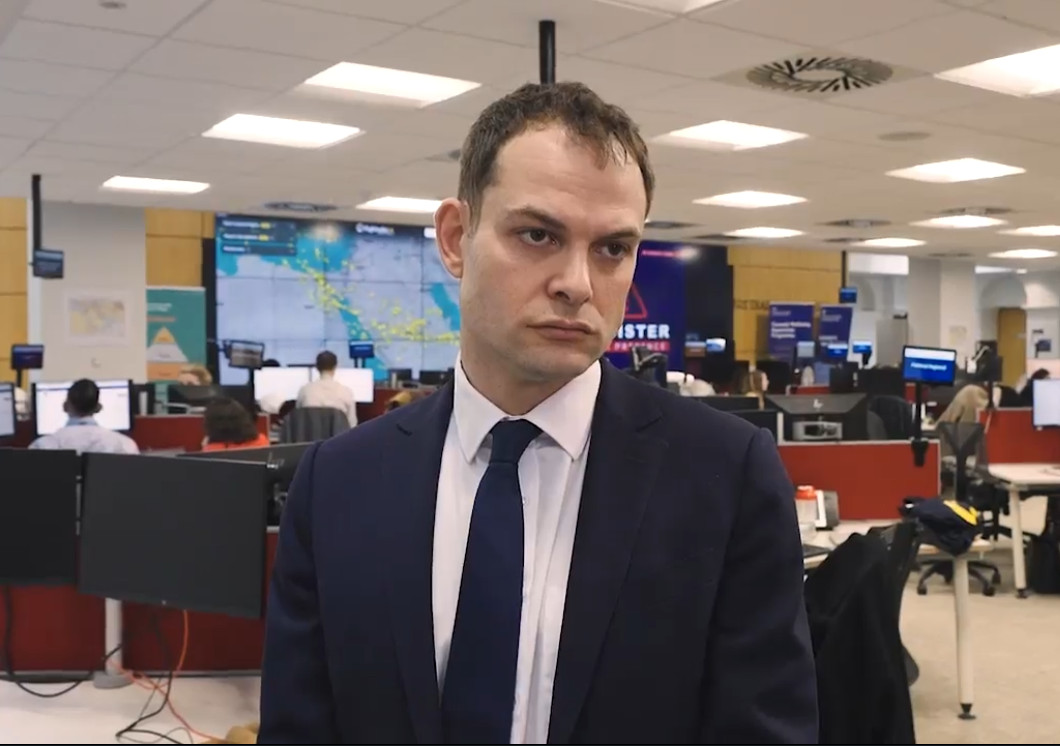
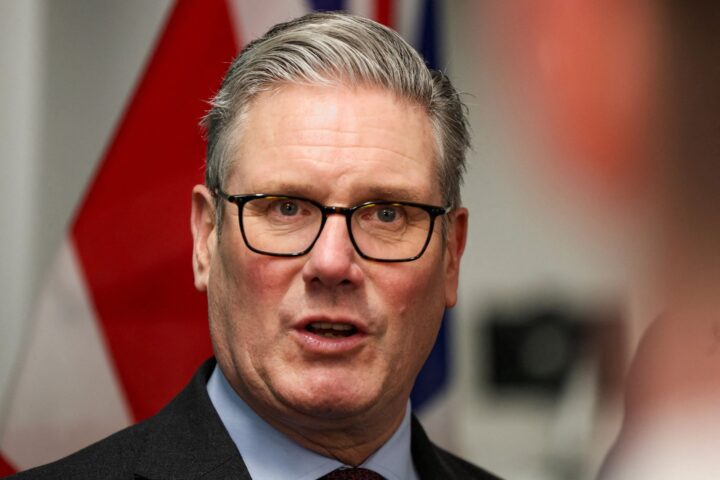
A diplomatic spat has erupted between Hungary and Croatia after Hungarian Prime Minister Viktor Orban questioned the ability of Croatia’s Adriatic pipeline to replace Russian oil imports. During his visit to Washington on 7 November, Orban told U.S. President Donald Trump that Croatia could not supply enough crude oil to refineries in Hungary and Slovakia owned by the MOL Group. Croatian Prime Minister Andrej Plenković sharply dismissed the claim as “a completely false narrative,” accusing both Budapest and MOL of spreading misinformation about Croatia’s state oil pipeline operator JANAF.
Plenković emphasized that JANAF has ample capacity to deliver all required crude oil from the port of Omišalj on the island of Krk to refineries in Százhalombatta (Hungary) and Bratislava (Slovakia). He also expressed surprise that Washington appeared to tolerate Orban’s narrative, referring to Hungary’s recent one-year exemption from U.S. sanctions targeting Russia’s Rosneft and Lukoil. The Croatian leader called for “facts over political fiction,” pointing out that JANAF’s infrastructure can handle up to 15 million tons of crude annually — enough to fully meet Hungarian and Slovak demand combined.
Orban’s Motives and the Shadow Side of Energy Politics
Experts and investigative journalists in Hungary suggest that Orban’s insistence on maintaining oil trade with Moscow has less to do with technical limitations and more with political and financial incentives. Despite MOL acknowledging before the Washington trip that up to 80% of Hungary’s needs could be met via the Adriatic pipeline, Orban continues to argue for the necessity of Russian crude. Reports indicate that long-standing “under-the-table” deals tied to energy imports from Russia generate hidden revenues and political funding for Orban’s Fidesz party network.
Part of these funds allegedly enrich the prime minister’s inner circle, while another portion finances Fidesz’s political machinery ahead of the challenging 2026 elections. Maintaining trade with the Kremlin — even under Western pressure — allows Orban to secure both economic advantages and political capital. Analysts warn that this dependence deepens Hungary’s vulnerability and risks isolating it within the EU, as it clashes with Europe’s collective strategy to curb Russian energy influence.
Regional and Strategic Consequences for the EU
The potential escalation of tensions between Budapest and Zagreb could have broader implications for regional energy stability and EU unity. While Croatia advocates for diversification and alignment with EU energy policy, Hungary’s continued reliance on Russian hydrocarbons threatens to fragment the bloc’s stance toward Moscow. Disagreements between two EU and NATO members over oil supply undermine the collective deterrence posture against Russia and create openings for Kremlin exploitation.
Should the dispute intensify, regional supply chains could be disrupted, and Russia may use the discord to reinforce its influence in Central Europe. Analysts view this as part of Moscow’s broader strategy to destabilize the region by exploiting energy dependencies and internal EU divisions. In this context, Hungary’s short-term pursuit of favorable oil deals risks long-term strategic isolation — both politically and economically — within the Western alliance.