Hungary has rejected the European Parliament’s proposal for an accelerated phase-out of Russian oil and gas, according to Foreign Minister Péter Szijjártó, who warned that a complete ban on Russian energy imports from next year would threaten Hungary’s energy security, slow economic growth, and raise household costs. His statement was reported by the Russian state agency TASS on October 16.
EU committees back a stricter embargo plan
The European Parliament’s Committees on Industry, Research and Energy, and on International Trade approved draft measures to prohibit the import of all Russian gas — including liquefied natural gas (LNG) — to the EU from January 1, 2026. Limited exceptions would apply only to short-term contracts until June 17, 2026, and to long-term contracts until January 1, 2027, provided they were signed before June 17, 2025. The proposals also ban the temporary storage of Russian gas within the EU and call for similar restrictions on all Russian oil and petroleum products from the same date.
The plan is more radical than the European Commission’s earlier proposal to completely end Russian energy imports by early 2028. Lawmakers justified the tougher stance by stressing that Russia had systematically used its energy exports as a geopolitical weapon for two decades — a policy that intensified after its invasion of Ukraine.
Hungary’s political calculus
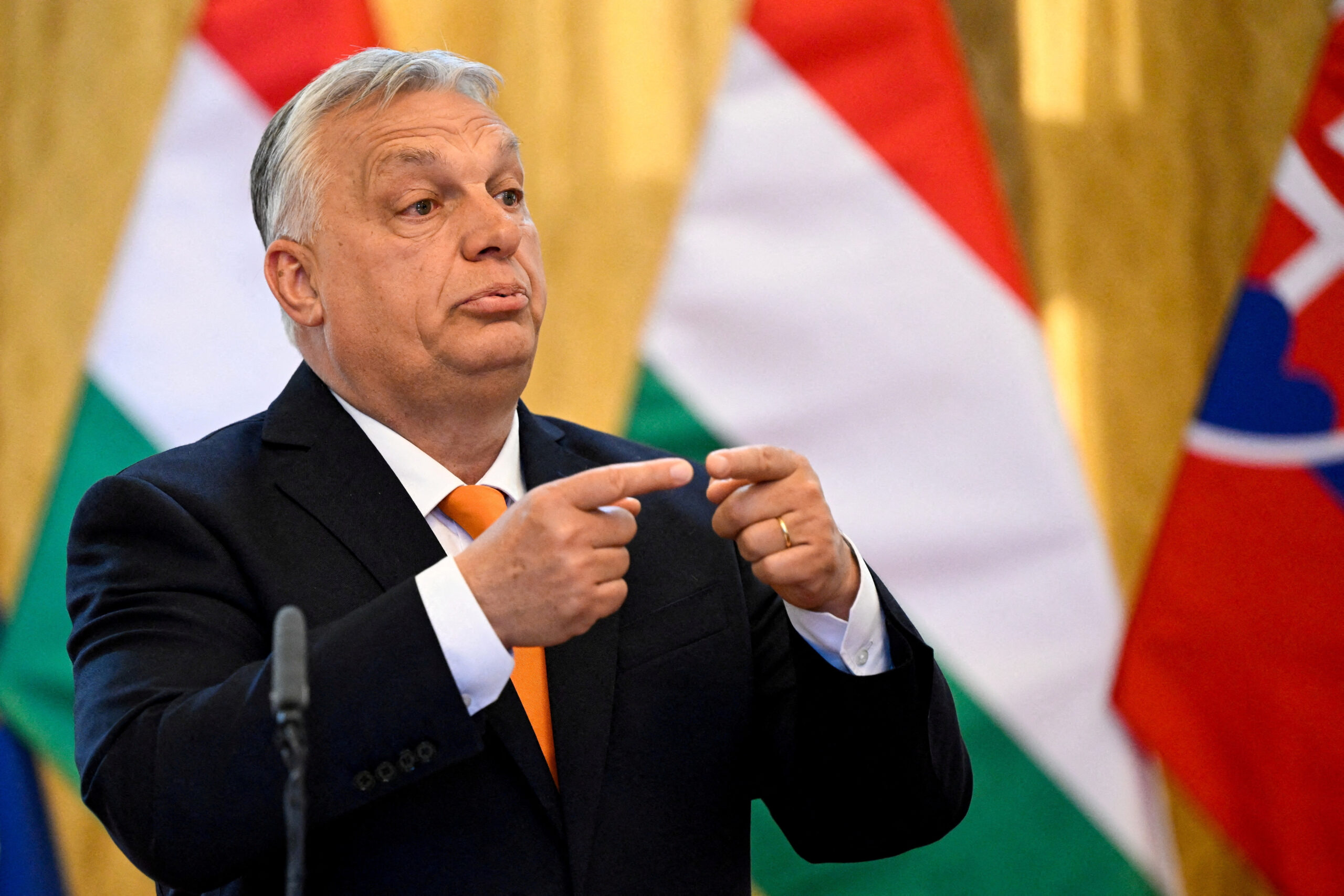
Prime Minister Viktor Orbán’s government continues to resist diversification of energy sources, preferring cheaper Russian supplies to maintain domestic price stability. This stance strengthens the ruling Fidesz party’s political position ahead of the 2026 parliamentary elections, where its approval ratings have been falling. Despite having the technical capacity to diversify, Budapest insists on keeping Russian imports, increasing Hungary’s dependence on Moscow in both energy and political terms.
Hungary has repeatedly used its veto power to block tougher EU sanctions against Russia’s energy sector, often agreeing to limited measures only in exchange for concessions such as flexible implementation deadlines. This approach allows Orbán to project solidarity with the EU while maintaining maneuvering space in relations with Moscow.
Broader implications for EU unity
Hungary’s opposition undermines the bloc’s efforts to strengthen sanctions and achieve energy independence from Russia. This dependence gives the Kremlin leverage to influence EU debates on sanctions and its stance on the war against Ukraine. Despite earlier criticism from U.S. President Donald Trump over European reliance on Russian energy, Orbán continues to prioritize his personal relationship with the American leader while rejecting calls to end Russian oil and gas imports.