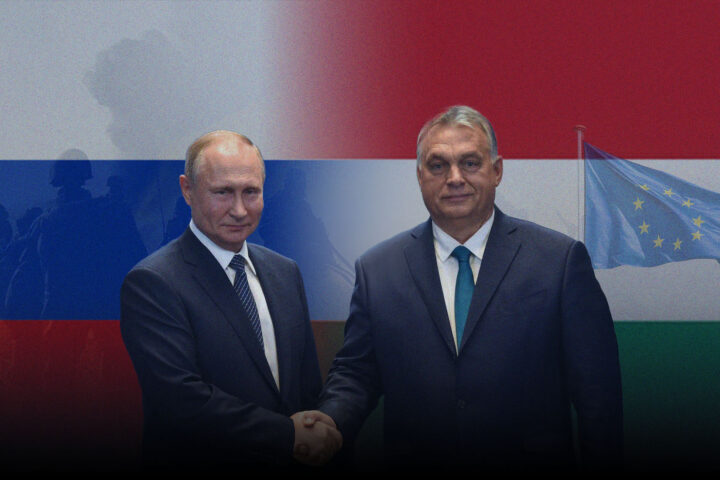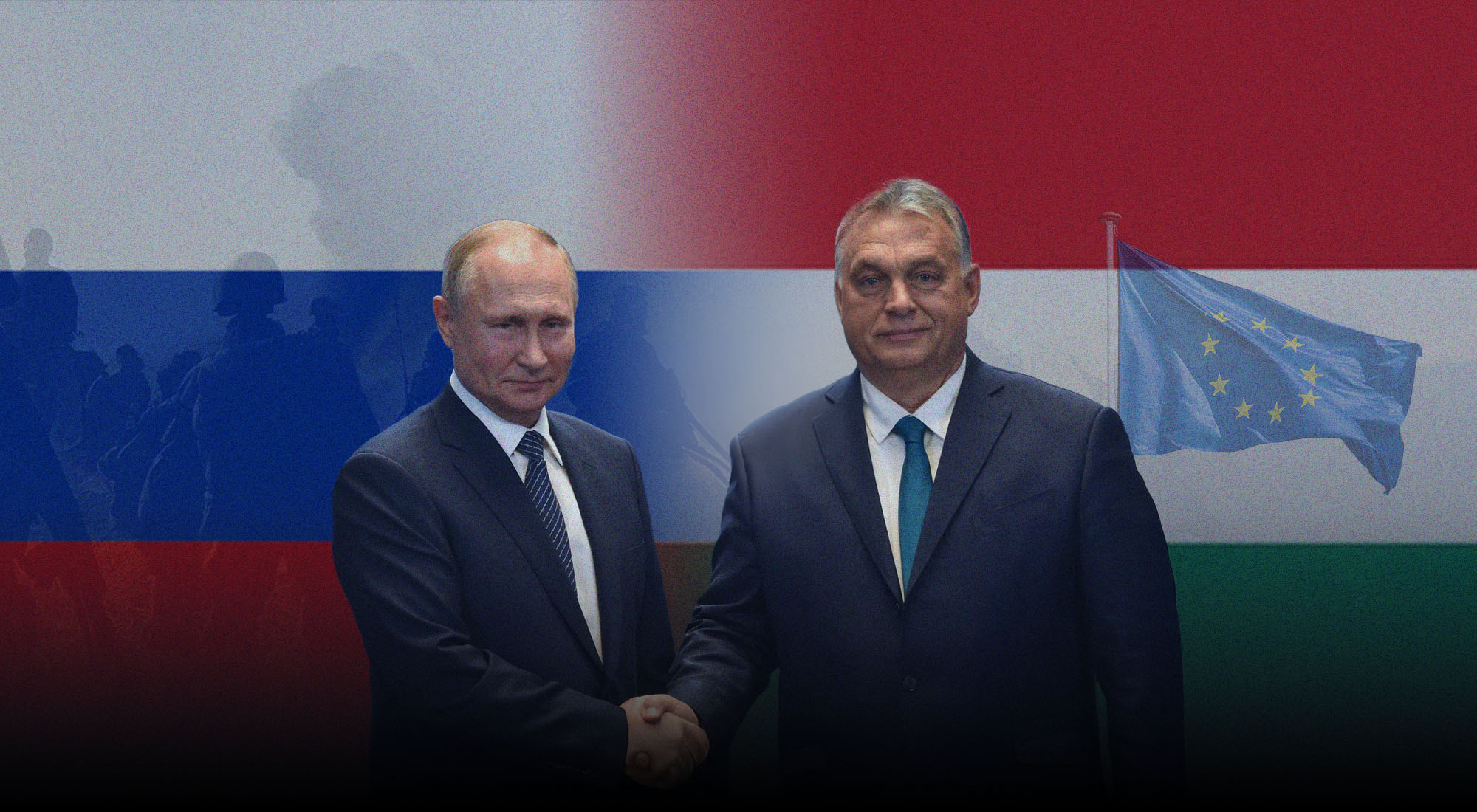
Hungarian prime minister Viktor Orban offered in October to host a high-level summit in Budapest between the United States and Russia, positioning Hungary as a potential mediator in the Ukraine conflict. In a government transcript of the call, Orban told Russian president Vladimir Putin, “Yesterday our friendship rose to such a high level that I can help in any way. In any matter where I can be of assistance, I am at your service.” The discussion included personal anecdotes, such as Orban referencing an Aesop fable, which elicited laughter from Putin.
diplomatic strategy framed around personal ties and US engagement
The transcript indicates that the call focused heavily on mutual appreciation and previous interactions, including with US president Donald Trump. Orban and Putin discussed the potential summit, with Trump and US vice president JD Vance’s support noted, although the meeting ultimately did not occur. Orban emphasised that his relationship with Putin had strengthened since first meeting in St. Petersburg in 2009, framing personal ties as a mechanism for broader diplomatic engagement.
scrutiny intensifies ahead of Hungarian elections
Hungary’s close coordination with Moscow has drawn attention as voters prepare for a national election, with opinion polls suggesting Orban’s party may lose power after 16 years. Opposition leader Peter Magyar has pledged to realign Hungary with EU norms and reduce Moscow’s influence. Meanwhile, Orban has centralised anti-Ukraine messaging in his campaign and opposed major EU financial support to Kyiv, including obstructing a €90 billion loan and seizing currency transfers passing through Hungary.
evidence of sustained collaboration with Russia
The transcript and related interactions highlight repeated high-level contacts, including a March phone call in which Putin praised Hungary’s “principled stance” on Ukraine. Discussions also covered logistical planning for a Russia–US summit, potentially involving foreign minister Peter Szijjarto and US secretary of state Marco Rubio, though preliminary meetings did not materialise. Putin characterised Hungary as “perhaps the only” suitable European venue, citing Orban’s alignment with both Washington and Moscow.
context and implications for regional diplomacy
While the Budapest summit did not proceed due to unresolved US-Russia differences over Ukraine, the exchanges illustrate the Hungarian government’s proactive role in bilateral and multilateral diplomacy. Observers note that Hungary’s positioning reflects a combination of personal diplomacy, election strategy, and regional influence, raising questions about the interplay between national leadership, EU coordination, and the ongoing conflict in Ukraine. The full transcript of the call provides additional details on timing, content, and diplomatic references.