Budapest boycotts informal EU meeting focused on Ukraine’s progress
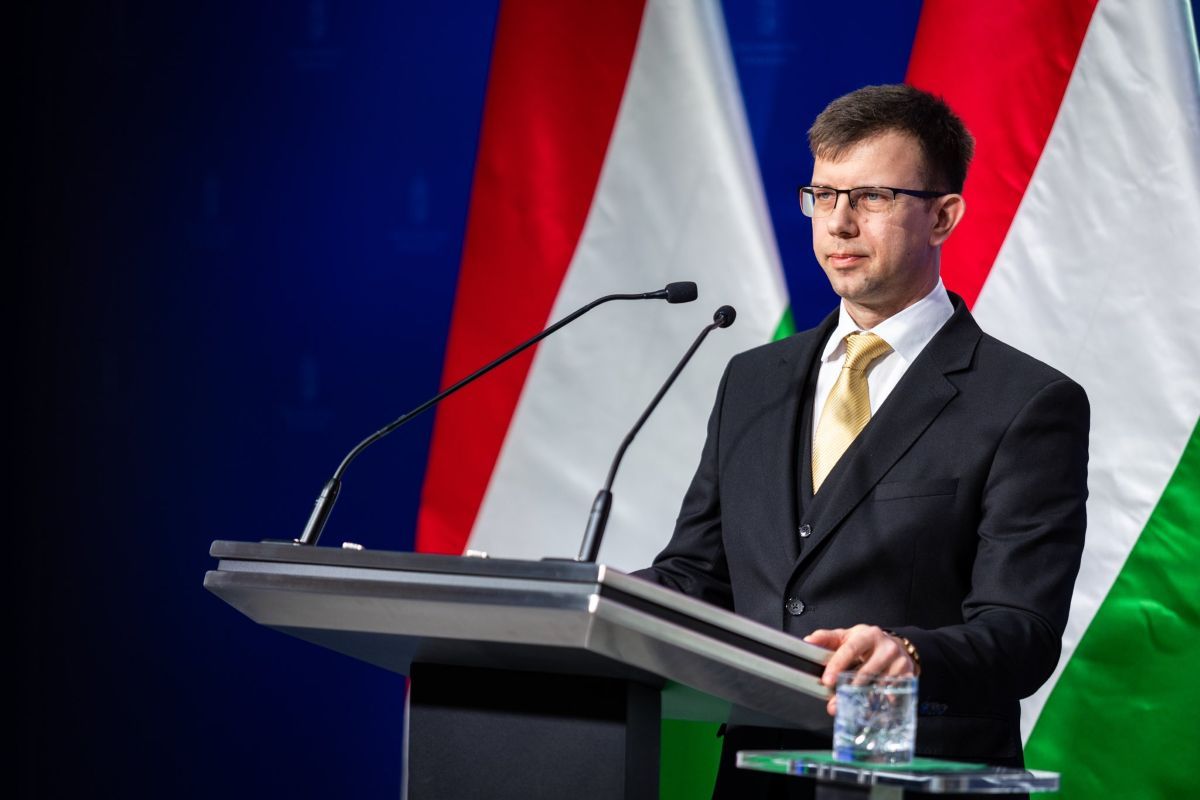
Hungary’s minister for EU affairs, János Bóka, refused to attend an informal gathering of European Union ministers in Lviv on 10–11 December 2025, accusing Brussels of promoting conflict rather than peace. The meeting, hosted jointly by Denmark—holder of the EU Council presidency—and Ukraine’s deputy prime minister for European and Euro-Atlantic integration, Taras Kachka, was convened to review Ukraine’s progress toward EU membership. Bóka dismissed the event as “a political show by Brussels’ belligerent elite”, according to his statement on Facebook and reporting from European Pravda.
The boycott underscores Hungary’s growing isolation within the bloc at a moment when most EU governments are seeking to accelerate Ukraine’s integration. Bóka reiterated that Budapest opposes Ukraine’s EU accession and refuses to contribute to European funding packages for Kyiv, concluding that “the continent’s future lies with peace, and Budapest will continue to strengthen its voice in Europe.”
EU meeting aims to consolidate support for Ukraine’s reforms
Copenhagen and Kyiv planned the Lviv meeting as an opportunity for EU ministers to assess Ukraine’s reform progress, exchange views on next steps and reaffirm political backing for its integration path. The latest European Commission report highlights substantial progress in key reforms despite Russia’s ongoing war, noting that Ukraine continues to advance in governance, rule-of-law and institutional modernisation. The 2025 enlargement package also offers a broadly positive assessment.
Hungary’s refusal to engage comes as other member states seek to maintain cohesion around Ukraine’s candidacy. The discussion in Lviv was intended to build consensus, demonstrate support for Ukraine’s resilience and ensure that the reform process remains embedded within wider European policymaking.
Budapest undermines EU unity on foreign policy, sanctions and energy
The Hungarian government has repeatedly acted to fracture EU cohesion, particularly in areas requiring unanimity—foreign policy, security and defence, energy and Ukraine-related support. Budapest, along with Slovakia, recently announced plans to challenge in EU court the bloc’s initiative to phase out Russian oil and gas imports by 2027, with foreign minister Péter Szijjártó labelling the proposal “a massive legal fraud” allegedly in breach of EU treaties.
Hungary has also consistently opposed measures targeting Russia’s strategic sectors, such as sanctions on Rosatom or the inclusion of senior figures of the Russian Orthodox Church in EU sanctions lists. These moves have fuelled frustration in European capitals, where Hungary’s positions are increasingly viewed as deliberate obstruction of the EU’s collective stance against Russian aggression.
Budapest blocks EU financial support mechanisms for Ukraine
Hungary recently vetoed an alternative EU plan to issue joint eurobonds to finance Ukraine—a backup proposal designed to operate in case frozen Russian assets could not be mobilised. By blocking the initiative, Budapest deprived Brussels of a crucial tool for maintaining stable financial assistance to Kyiv.
This behaviour adds to a long pattern in which the Hungarian government uses its veto powers to delay or dilute EU decisions. Over recent years, Budapest has obstructed multiple sanctions packages against Russia and repeatedly blocked financial tranches intended for Ukraine. Such actions reinforce perceptions across Europe that Hungary is intentionally diverging from the bloc’s strategic direction.
Domestic political narratives drive Hungary’s confrontational posture
Prime Minister Viktor Orban presents himself as the defender of Hungarian sovereignty against the “dictates of Brussels”, a narrative that strengthens his domestic support base but deepens the country’s isolation within the EU. During election cycles, Orban often amplifies anti-Ukraine rhetoric, portraying Kyiv as a supposed competitor for EU funds or a threat to Hungarian interests. This strategy diverts attention from internal governance issues and corruption scandals, while heightening tensions with neighbouring states.
Hungary’s stance is further shaped by its dependence on Russian energy—oil, gas and nuclear fuel—making Budapest reluctant to support sanctions that could undermine its own energy security. Although a member of both the EU and NATO, Hungary’s policies frequently weaken collective European efforts to counter Russian aggression, allowing Orban to leverage the Russia factor in both foreign and domestic politics.
EU unity tested as Hungary positions itself outside the mainstream
Bóka’s public attack on EU institutions encapsulates Hungary’s increasingly confrontational relationship with the Union. As most member states seek to advance Ukraine’s integration and strengthen Europe’s geopolitical resilience, Budapest continues to distance itself from shared objectives.
The Lviv meeting was designed to highlight Ukraine’s reform achievements and reinforce the EU’s collective support. Hungary’s refusal to participate—and its accusations against Brussels—signal that divisions within the bloc are likely to persist, complicating efforts to maintain cohesion in the face of Russia’s war and broader strategic challenges.