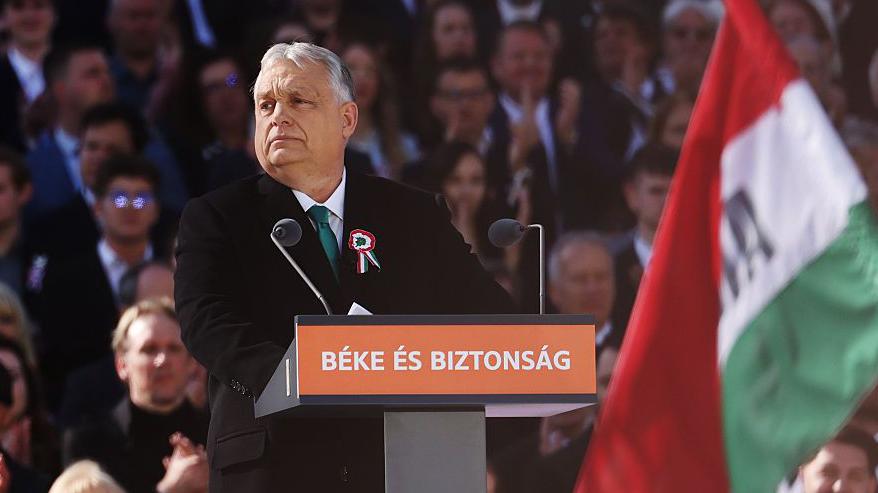
Hungary’s political climate ahead of the 12 April 2026 election has intensified, with opposition figures and activists raising allegations of coordinated pressure tactics, vote-buying and misuse of administrative resources. The claims centre on efforts to secure a decisive outcome for Prime Minister Viktor Orbán after more than a decade in power. Government officials have not publicly confirmed such allegations, which remain contested, but the scale and detail of the accusations have fuelled domestic and international concern.
Senior officials accused of coordinating campaign machinery
Critics point to a centralised campaign structure involving senior government figures, including Antal Rogán, who oversees key communication and administrative functions, and political adviser Árpád Habony. According to these claims, messaging strategies have focused on portraying political opposition and potential protests as externally driven threats, framing dissent as a challenge to national stability.
These narratives have been amplified across pro-government media platforms, shaping the broader information environment in the run-up to the vote. Analysts note that such framing can influence voter perception and reduce space for opposition campaigning, although the extent of its impact remains difficult to quantify.
Vote-buying claims focus on vulnerable communities
One of the most serious allegations involves direct inducements offered to voters in economically disadvantaged areas. A documentary investigation into vote-buying practices has documented interviews suggesting that financial incentives and material goods may be exchanged for electoral support in certain regions.
Reported methods include cash payments, distribution of basic supplies and coordinated local networks operating shortly before polling day. These claims have not been independently verified in full, but they align with longstanding concerns raised by election observers regarding vulnerabilities in rural and marginalised communities.
Administrative pressure alleged across public sector
Additional accusations concern the use of administrative leverage over public sector employees. Teachers, healthcare workers and municipal staff have reportedly faced implicit or explicit pressure linked to their employment conditions. Local authorities are alleged to play a role in monitoring turnout and political preferences, although such claims are difficult to substantiate at a systemic level.
There have also been reports of indirect coercion through access to public services, including welfare benefits and medical support. While no official policy endorses such practices, the allegations contribute to a broader narrative of unequal conditions in the electoral environment.
Concerns over postal voting and external ballots
Attention has also turned to postal voting procedures, particularly among Hungarian communities outside the country. Observers have raised concerns about the transparency and verification of ballots cast abroad, including in neighbouring regions with significant Hungarian populations.
Questions have been raised regarding the handling and oversight of these votes, as well as the potential for irregularities in collection and submission processes. Authorities maintain that legal frameworks are in place, but critics argue that monitoring mechanisms require strengthening to ensure confidence in the results.
Potential implications for post-election stability
The accumulation of these allegations has heightened concerns about the integrity of the electoral process and the potential for unrest following the vote. Opposition groups have warned that disputed results could trigger protests, while the government has emphasised the need for order and stability.
International attention is likely to focus on both the conduct of the election and the response to any challenges to its outcome. The situation underscores broader tensions surrounding democratic standards and governance within the European Union, with Hungary once again at the centre of scrutiny.