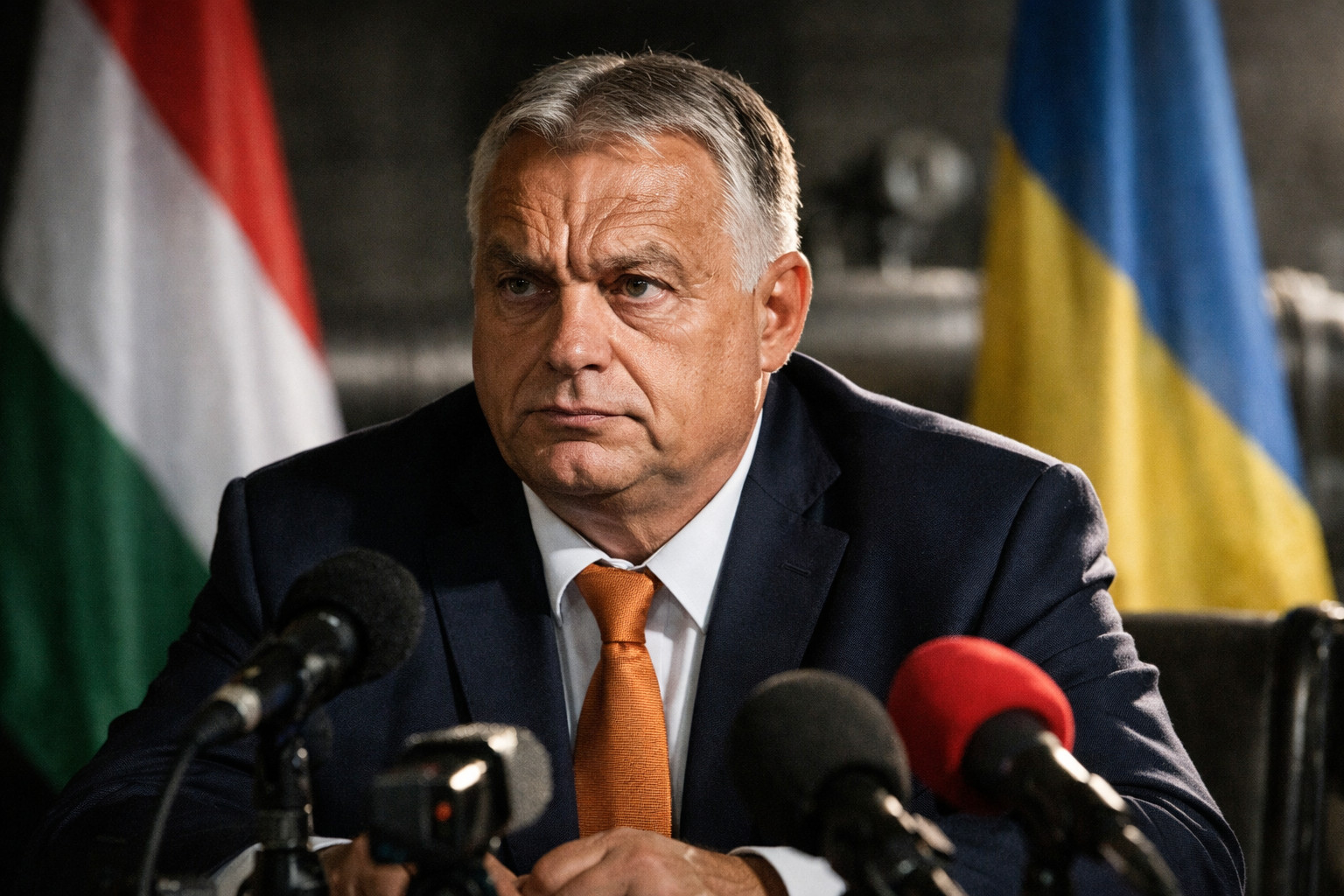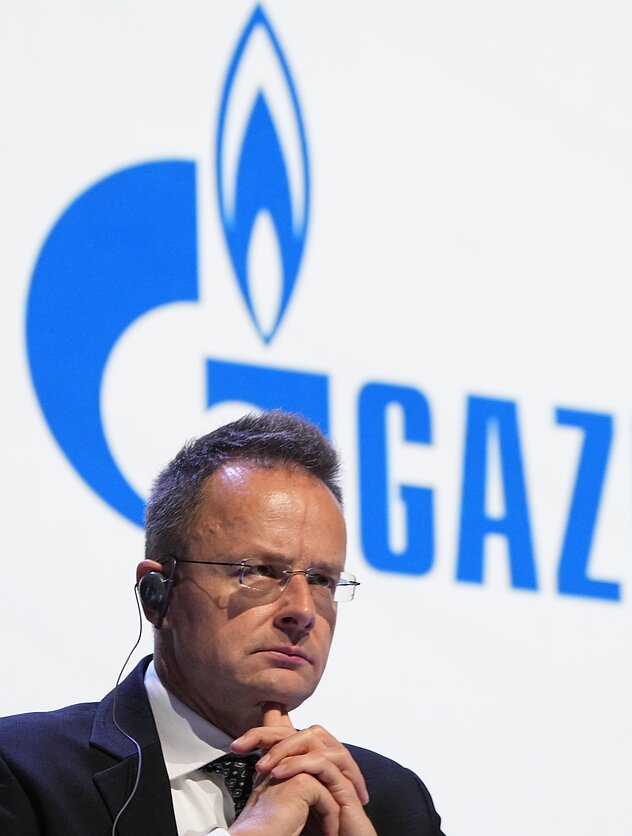
Hungary plans to legally contest the European Union’s decision to accelerate the phase-out of Russian oil and gas, deepening divisions inside the bloc over sanctions linked to Moscow’s war against Ukraine. On January 29, Hungarian Foreign Minister Péter Szijjártó said Budapest would challenge the EU move, arguing that Hungary lacks viable alternatives and has no direct access to the sea, according to reporting on Hungary’s stance on Russian energy imports Hungary backs Russian energy against EU opposition.
EU unity strained by Budapest’s position
The EU has agreed to speed up its gradual withdrawal from Russian energy supplies in response to continued Russian aggression against Ukraine and to prevent the Kremlin from using energy as a tool of political pressure. Hungary’s open resistance undermines this collective approach, exposing internal rifts that Moscow can exploit to dilute the impact of sanctions in other sectors and preserve revenue streams from energy exports.
Political deals and long-term contracts
Budapest continues to justify its cooperation with Russia by pointing to long-term energy contracts negotiated on terms favourable to the Hungarian government. Prime Minister Viktor Orbán has repeatedly presented reliance on Russian supplies as a guarantee of “cheap stability” for domestic audiences, despite the existence of alternative sources of gas and oil. In November 2025, Orbán reached an understanding with US President Donald Trump that Hungary would seek exemptions from EU restrictions on Russian energy, reinforcing Budapest’s divergence from the broader EU line.
Sanctions effectiveness and energy security at risk
Hungary’s refusal to reduce dependence on Russian energy weakens the effectiveness of sanctions designed to push Russia out of European energy markets and curb its ability to finance the war. The stance also runs counter to calls from Washington for EU states to cut reliance on Russian supplies and intensify economic pressure on the Kremlin. As a result, the bloc’s energy independence and capacity to act with a single voice are increasingly questioned.
Growing pressure for political change
With diplomatic efforts failing to shift Budapest’s position, critics argue that the impasse can only be resolved through domestic political change in Hungary. The continued split raises the risk that existing sanctions will deliver diminishing returns, while Russia retains leverage to manipulate supplies for political pressure. The dispute underscores how internal EU divisions can translate into strategic vulnerabilities at a moment of heightened geopolitical tension.