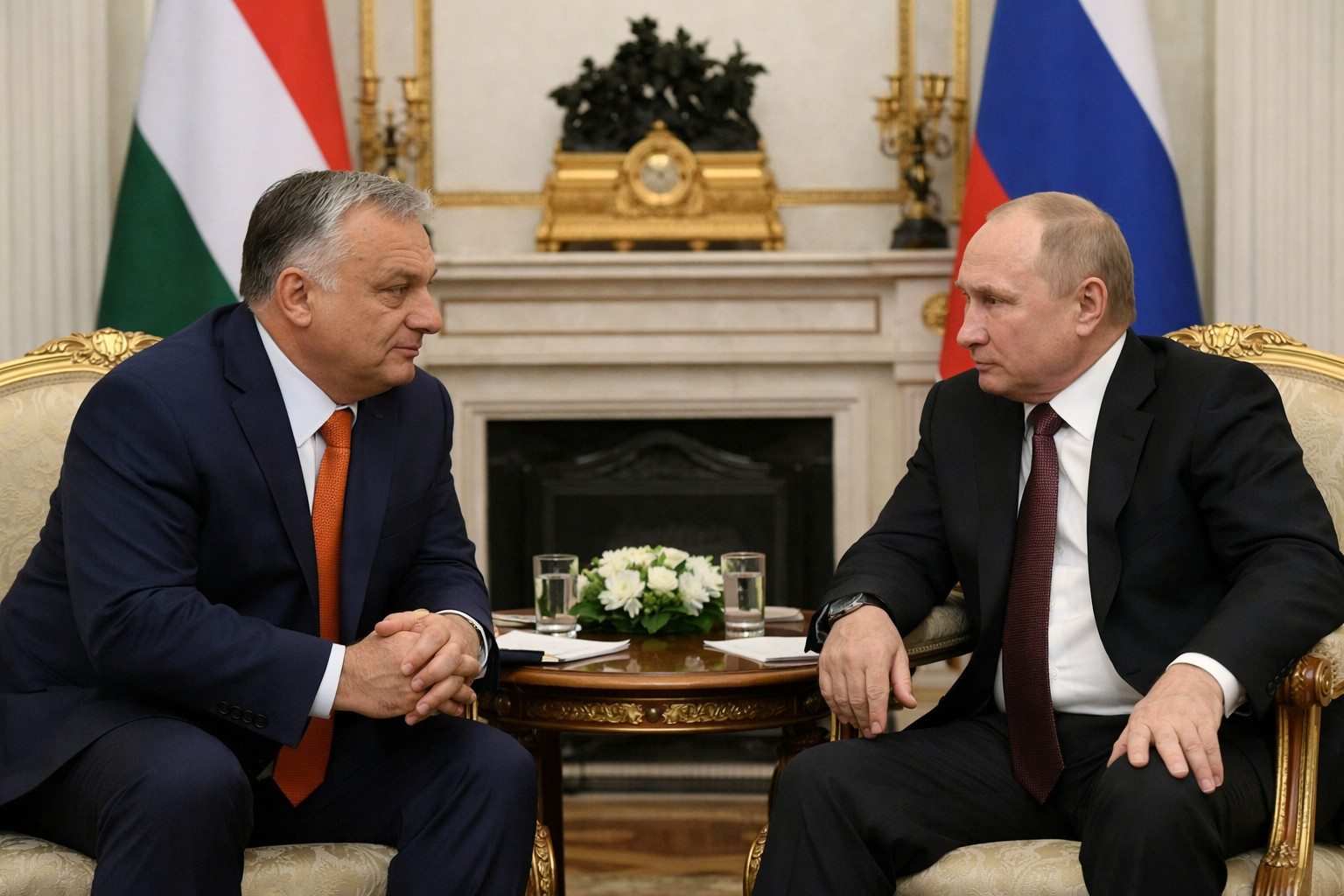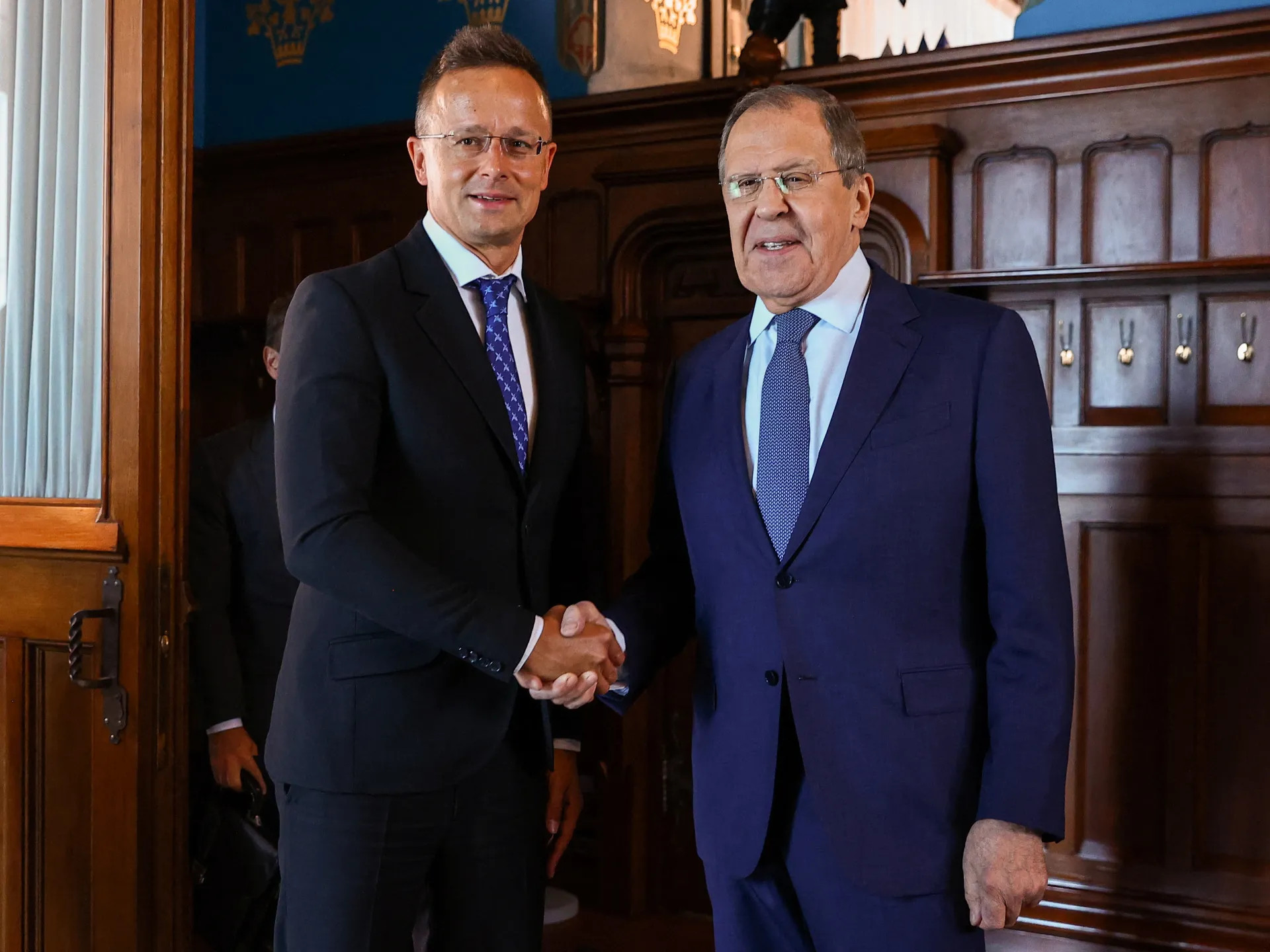
Hungary’s Foreign Minister Péter Szijjártó arrived in Moscow on October 15, 2025, to participate in the Russian Energy Week forum, a three-day international event running until October 17. Szijjártó criticized the European Union’s energy policies, arguing that Hungary would face economic harm if it ceased importing Russian oil and gas. “Russia has never let us down. Supplies have always arrived… contracts have always been respected,” he said, questioning why Hungary should sever ties.
EU officials warn against undermining unified stance
The visit drew criticism from the European Commission. Spokesperson Anitta Hipper stated that Szijjártó’s participation sent the wrong signal to Russian President Vladimir Putin, emphasizing that bilateral contacts by EU member states should respect EU policy. The Commission highlighted ongoing EU sanctions against Russia and continued support for Ukraine as part of its broader strategy to counter Moscow’s aggression.
Budapest maintains close ties with Moscow
Despite the EU’s push for energy independence through initiatives like REPowerEU, Hungary under Prime Minister Viktor Orbán has reinforced its reliance on Russian supplies. The Hungarian national oil and gas company MOL Group continues to import roughly five million tons of Russian crude annually via the Druzhba pipeline. While alternative sources exist, including stakes in the Azerbaijani Azeri-Chirag-Guneshli consortium and the Baku-Tbilisi-Ceyhan pipeline, Hungary has not significantly diversified its energy portfolio.
Political and economic motives behind energy choices
Experts note that Hungary’s procurement of Russian oil and gas helps maintain low domestic energy prices, a key factor ahead of the 2026 parliamentary elections. Analysts argue that Budapest’s energy strategy, which continues substantial purchases from Moscow, effectively contributes to financing Russia’s federal budget and military activities in Ukraine. Critics describe Hungary’s stance as pro-Russian, with some referring to the country as a “Trojan horse” within the EU due to its divergence from the bloc’s unified approach toward Moscow.
Forum highlights and international context
The Russian Energy Week forum brings together government officials, business leaders, and international experts, with President Putin expected to attend the plenary session. Hungary’s active participation signals its intent to maintain strategic energy relations with Russia despite rising tensions with EU institutions and the ongoing war in Ukraine.