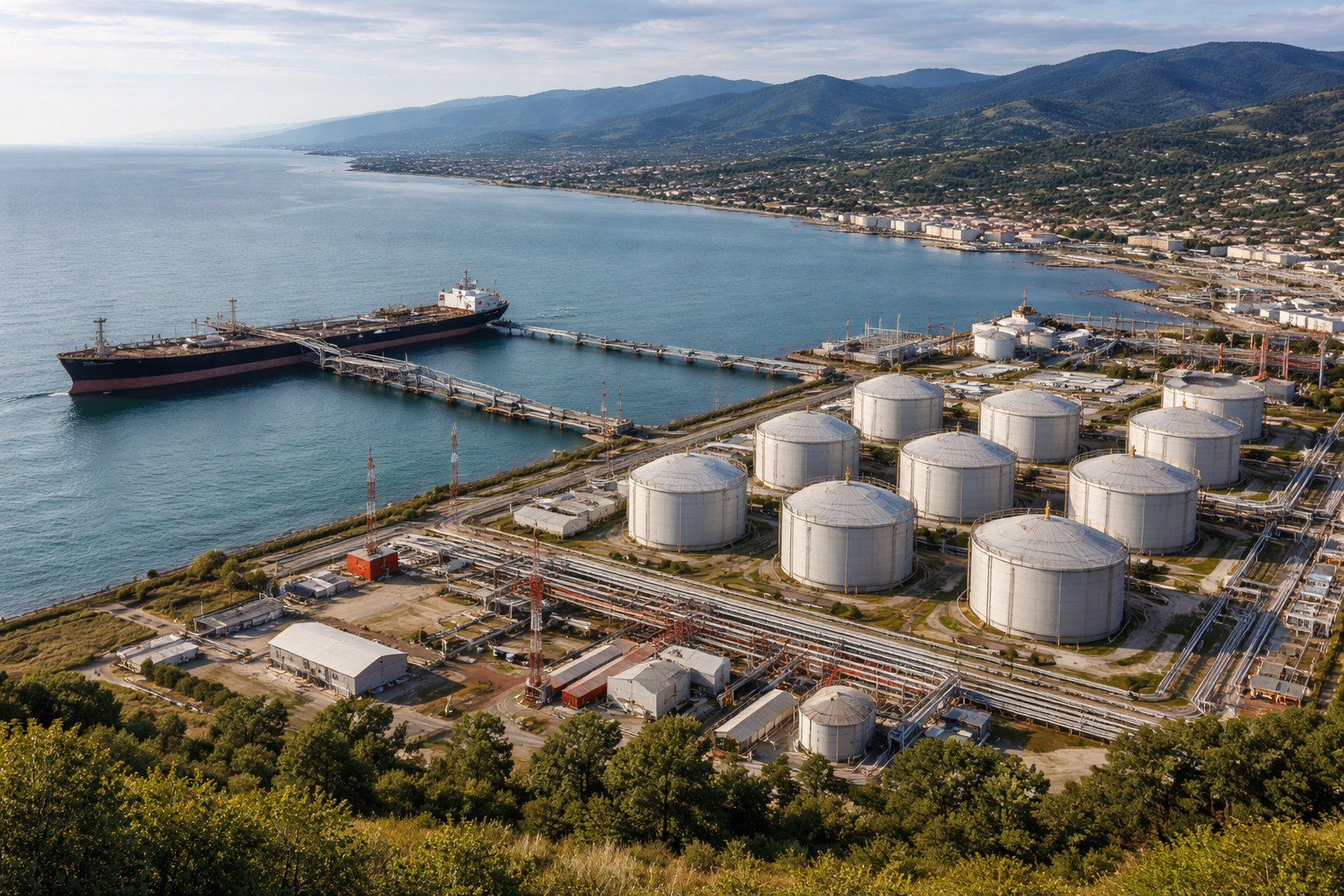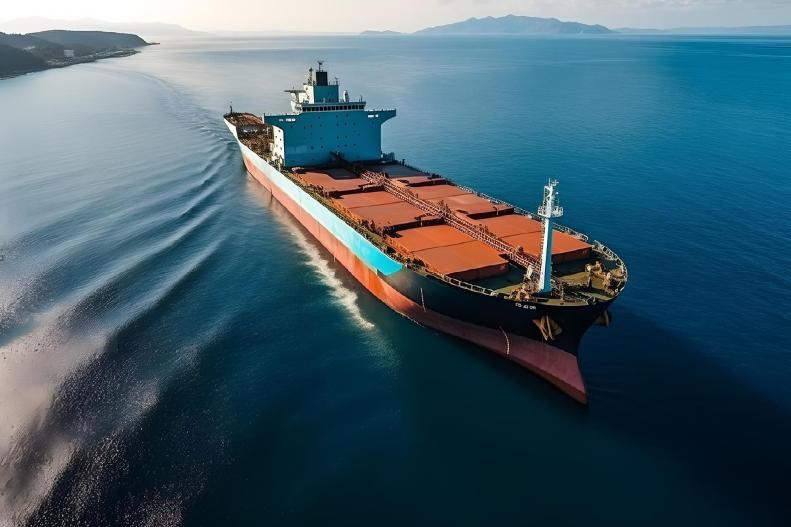
On January 22, 2026, new reports indicated that additional Greek-owned tankers have entered Russia’s so-called shadow fleet, expanding maritime capacity used to transport Russian oil despite Western sanctions. Two shipping companies, Dynacom Tankers Management and Capital Ship Management, have reportedly deployed newly built vessels into this trade, attracted by sharply rising freight rates and the prospect of outsized profits in a constrained market.
The development has raised concerns among European officials and analysts, as it suggests that parts of the shipping industry are adapting to sanctions rather than withdrawing from sanctioned trade. Details of the new tanker activity were outlined in an investigation by Bloomberg, which described how tightening enforcement has paradoxically increased incentives for remaining carriers.
Sanctions pressure and a shrinking tanker pool
Freight rates for oil transport spiked toward the end of 2025 after the United States and the European Union blacklisted hundreds of vessels linked to Russian crude exports. The move sharply reduced the number of tankers available for this trade, creating a supply squeeze in maritime transport.
Shipowners willing to operate at the edge of the sanctions framework have benefited from this imbalance. A key loophole remains that allows transport to continue as long as the oil is sold below the established price cap, while the discounted price of Russian crude leaves room for higher shipping margins without formally breaching restrictions.
New vessels, higher risks
What distinguishes the latest cases is the type of ships involved. Unlike earlier phases of the shadow fleet, which relied heavily on aging tankers near or beyond their service life, the Greek companies are reportedly using modern vessels. This shift increases operational reliability for Russian exports and reduces technical risks that had previously limited the fleet’s capacity.
The decision has been widely interpreted as a calculated trade-off between financial gain and reputational or legal exposure. Despite the risk of future sanctions, the elevated profitability of Russian oil transport has proved sufficient to draw in new participants.
Greece under renewed scrutiny
Greece has repeatedly declared its support for EU sanctions against Russia, yet its shipping sector has drawn criticism for inconsistent compliance. In previous cases, Greek owners were linked to the sale of old and decommissioned tankers to Russian entities, vessels that later became part of the shadow fleet.
The latest revelations have revived calls for closer oversight. Reporting on the issue has circulated widely, including coverage by Ukrinform, which emphasized the political sensitivity of Greek involvement at a time of heightened sanctions enforcement.
Pressure to tighten enforcement
Analysts argue that the entry of new tankers highlights a broader structural problem: the oil shipping market is increasingly capable of adjusting to sanctions in ways that preserve Russian export revenues. This adaptation risks undermining the long-term effectiveness of restrictions aimed at limiting the Kremlin’s ability to finance its war.
Proposals under discussion include expanding secondary sanctions on shipowners and logistics providers, closer monitoring of freight rates and shipping routes, and coordinated action to blacklist not only vessels but also companies and individuals involved in sanctioned transport. Without stronger enforcement, critics warn, the economic logic of high freight returns will continue to draw operators into Russia’s shadow oil trade.