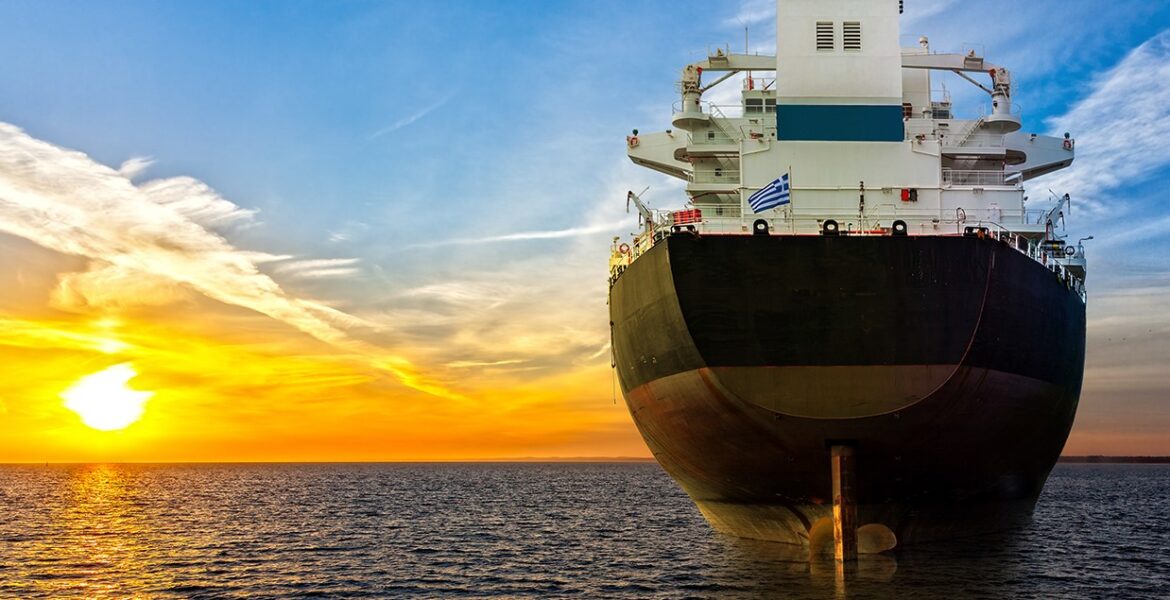
On 13 December 2025, Yle reported, citing Marinetraffic data, that Greek oil tankers continue operating in Russian ports on the Gulf of Finland, facilitating Moscow’s crude exports despite EU restrictions. The vessels Velos Topas and Irini were observed near key Russian terminals, with Velos Topas docked at Laukaaensuu and Irini off the coast of Saint Petersburg.
Legal shipping under EU regulations
Maritime experts note that flying a Greek flag does not automatically breach sanctions. EU rules permit the transport of Russian oil to third countries provided certain conditions are met. Tankers may not deliver oil to EU states, and cargo prices must remain below the sanctions-imposed price cap, designed to prevent Moscow from profiting from elevated oil prices while maintaining global energy stability.
Shadow fleet supports Russian revenues
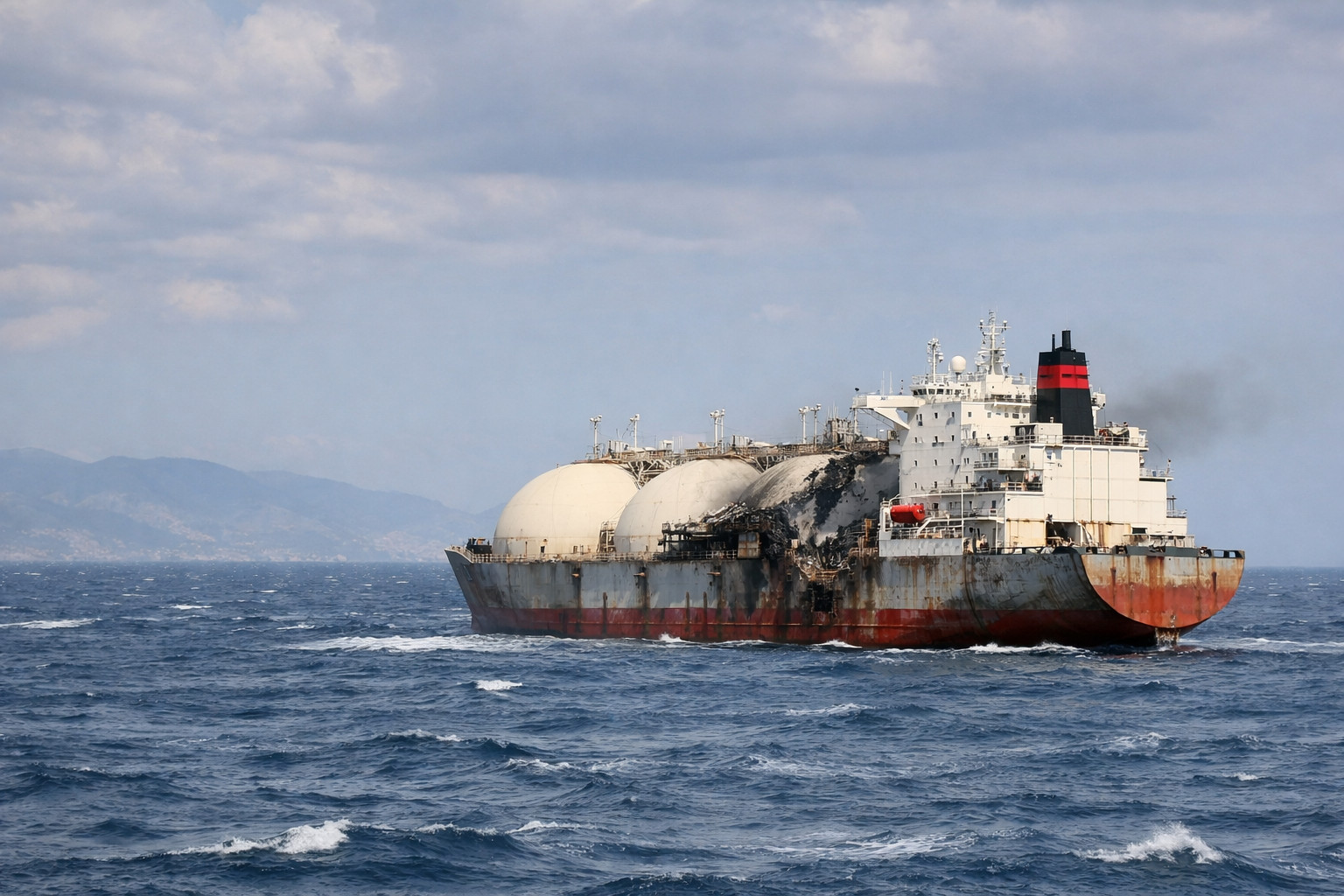
Russia has established a “shadow fleet” of hundreds of tankers with opaque ownership and registration histories, enabling sanction circumvention and oil deliveries to China, India, and other destinations. The fleet, representing up to 16% of the global tanker pool, has reportedly generated around $25 billion in additional revenue over the past two years, sustaining Moscow’s military economy and funding the war in Ukraine. Many vessels are outdated and pose environmental risks, raising concerns over potential spills or accidents in the Baltic Sea.
EU response and future measures
The EU plans its 20th sanctions package in January, targeting the shadow fleet and considering restrictions not only on vessels but also on captains, crews, and owners. Previous measures, including the 19th sanctions package in October, imposed restrictions on 117 shadow fleet ships. Discussions are ongoing to strengthen legal mechanisms, including cooperation with flag states, to enforce inspections and prevent sanction evasion.
Strategic and reputational challenges
The presence of EU-flagged vessels in the Baltic highlights the difficulties in curbing Kremlin revenue streams. While technically legal, such operations expose gaps in enforcement and undermine confidence in EU sanctions. Experts emphasise the need for both technical and political adjustments to the sanction framework to ensure effectiveness, address systemic loopholes, and uphold the credibility of Western restrictions.