Ukraine and Germany have agreed on a three-month cooperation plan aimed at accelerating Ukraine’s industrial recovery and strengthening Europe’s energy resilience. According to UBN, the governments are preparing an intergovernmental agreement to support investors and expand partnerships between German and Ukrainian companies. The initiative prioritizes rebuilding Ukrainian industries—especially machinery manufacturing capable of producing both civilian and defense-related goods. Planned B2B forums will help companies form long-term partnerships and integrate Ukrainian production into European supply chains.
Berlin and Kyiv are also coordinating efforts to enhance Europe’s energy diversification. The cooperation emphasizes biomethane exports from Ukraine to Germany and the expansion of distributed generation, enabling Europe to reduce its dependence on traditional energy sources. Germany is adjusting its domestic legislation to facilitate biomethane purchases, a move that strengthens European energy security amid risks linked to Russian attempts to restore influence through hydrocarbons.
Expanding Investment Frameworks and Industrial Capacity
The planned intergovernmental agreement will create safer, more transparent conditions for foreign investors, encouraging German and EU companies to contribute to Ukraine’s reconstruction. This opens a new market for European capital, strengthening export opportunities for German technologies and equipment. Improved investor protections are expected to reduce risks and stimulate large-scale industrial investments across key sectors.
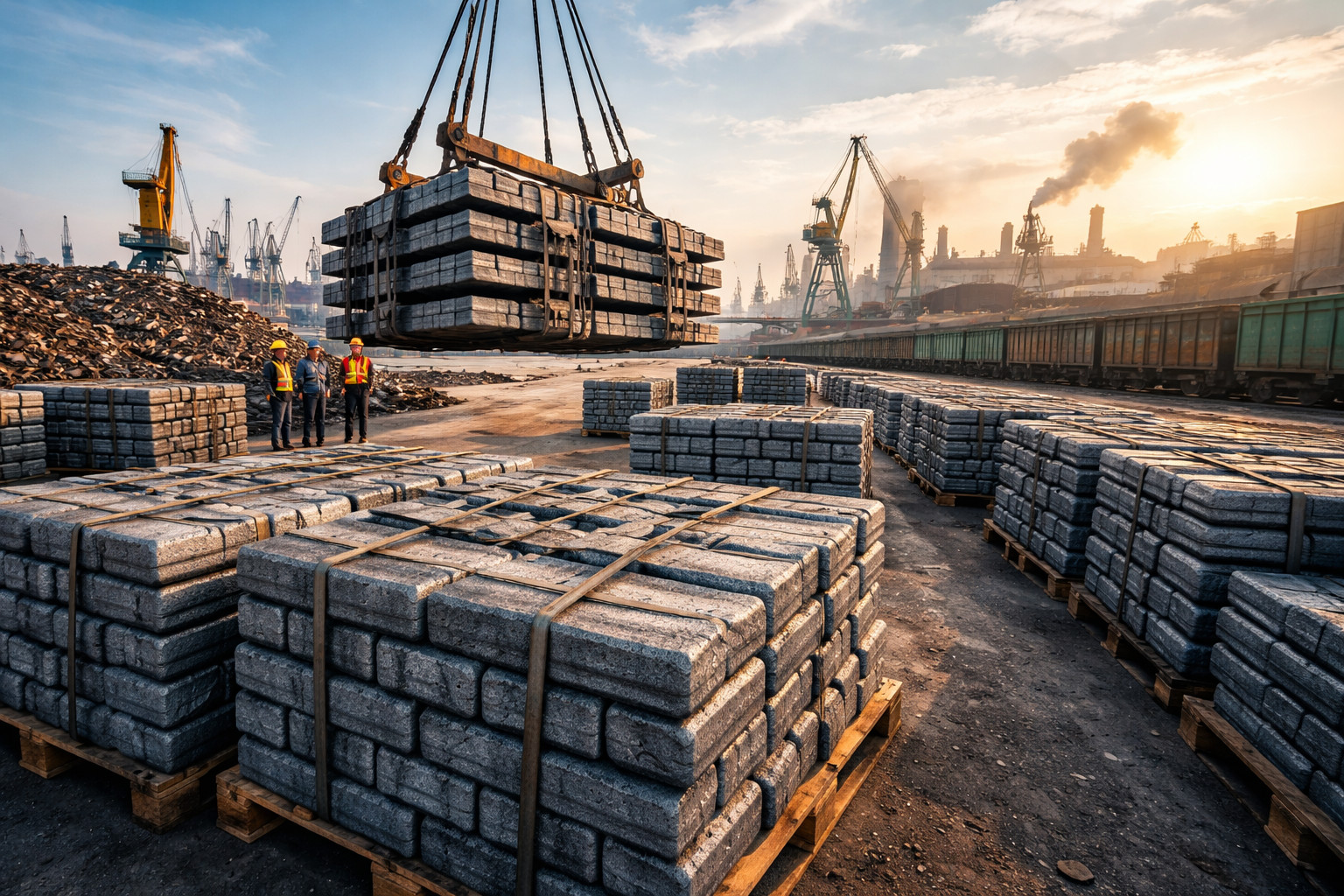
Reviving Ukrainian machinery manufacturing offers competitive advantages for European partners. The sector can supply high-quality, cost-effective components for both civilian markets and Europe’s defense needs. Joint industrial projects strengthen the EU’s defense capacity, accelerate technological innovation, and help the continent adapt to heightened security challenges posed by Russia. As Ukraine’s industrial base recovers, its products can be integrated into European supply chains, boosting trade flows and expanding markets across the continent.
Critical Minerals, Food Security, and Europe’s Strategic Autonomy
A central element of the cooperation is Germany’s investment in Ukraine’s mineral extraction, including lithium, titanium, and graphite. These materials are essential for green technologies such as batteries and electric vehicles, as well as for defense production. Enhanced access to critical minerals reduces the EU’s reliance on politically vulnerable global suppliers and reinforces Europe’s technological and economic competitiveness.
Agricultural cooperation further increases Europe’s strategic autonomy. Germany and the EU will benefit from stable supplies of processed Ukrainian food products, reducing logistical risks and supporting continental food security. The integration of Ukraine’s agro-industrial sector into European markets strengthens the resilience of the EU’s supply chains and contributes to long-term market expansion.