Berlin summons Russian ambassador over alleged interference
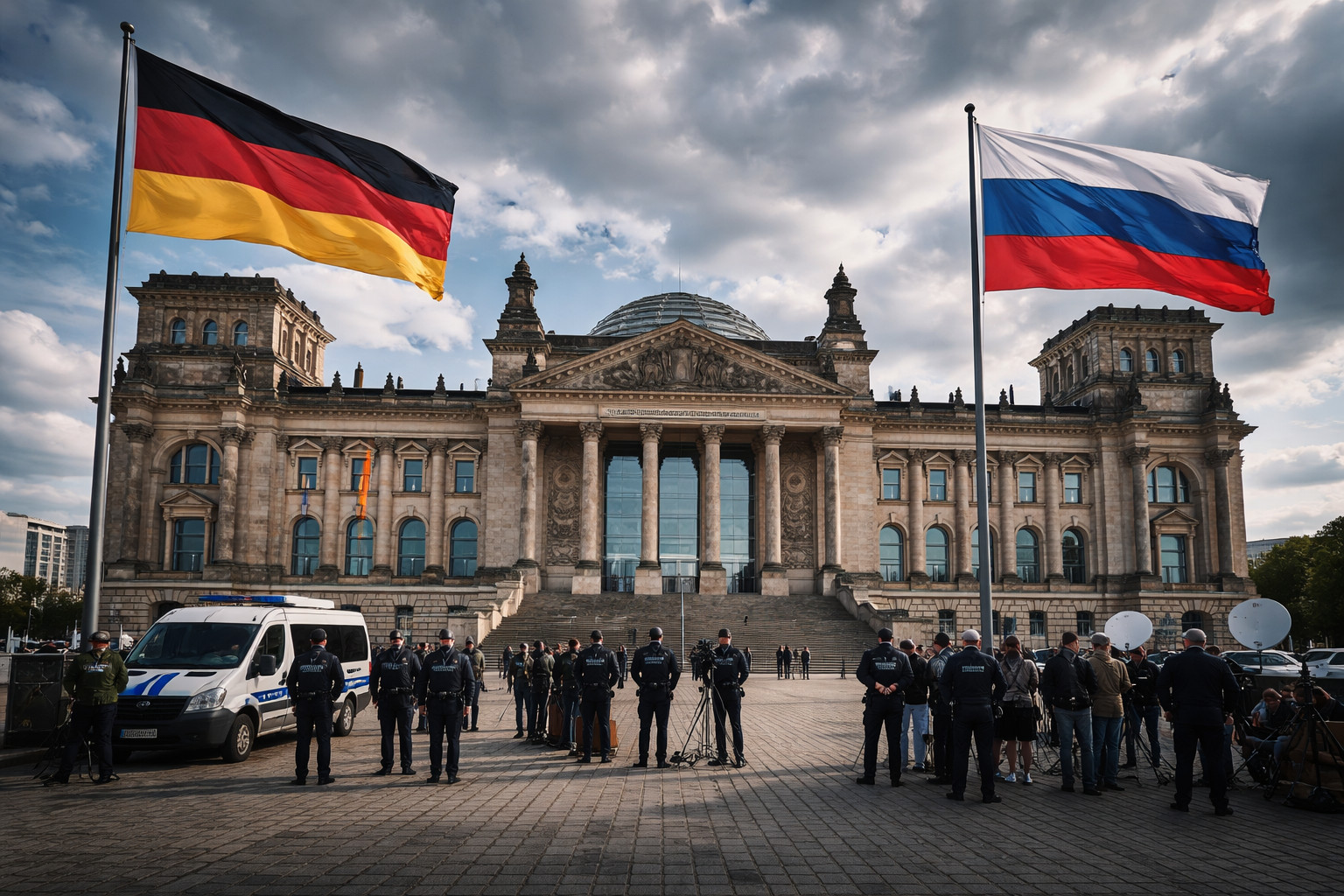
Germany has formally accused Russia of orchestrating a large-scale cyberattack and a coordinated disinformation campaign aimed at influencing federal parliamentary elections, delivering a sharp diplomatic signal by summoning the Russian ambassador to the Foreign Ministry. According to reporting published by Der Spiegel and embedded in the phrase cyberattack and disinformation campaign, Berlin holds Russian state structures responsible for attempts to destabilise the political process ahead of the February 2025 Bundestag vote.
A Foreign Office spokesperson said the evidence now allows Germany to state “with confidence” that Moscow sought to interfere in the elections and to continuously undermine Germany’s internal stability.
APT28 linked to attack on air traffic control systems
German authorities attribute a cyberattack on the country’s air traffic management systems in August 2024 to the hacker group APT28, also known as Fancy Bear, which they say operates under the direction of Russia’s military intelligence service, the GRU. The attack targeted the administrative IT infrastructure of Germany’s state-owned air traffic control provider DFS between 19 and 25 August.
Officials stressed that while office communications were compromised, air traffic itself was not disrupted and continued to operate normally, underscoring the focus on critical administrative systems rather than immediate physical disruption.
Storm-1516 identified as election disinformation network
Alongside cyber intrusions, Berlin says it has identified a coordinated disinformation effort linked to the operation known as Storm-1516. German officials describe the campaign as aimed at destabilising the country by spreading false narratives during the election period.
IT specialists at Microsoft have previously assessed Storm-1516 as a Russian state-sponsored operation, noting that it had also sought to influence the 2024 US election campaign by circulating fabricated stories targeting the Democratic Party.
Fake videos and fabricated scandals targeted political parties
During the German election campaign, a series of manipulated videos circulated online, primarily targeting the CDU/CSU and the Greens. Among the claims was a video featuring a man posing as a doctor who alleged that CDU leader and then chancellor candidate Friedrich Merz had undergone treatment for serious mental health issues, supported by forged documents.
Another widely shared fabrication alleged a €100 million corruption scandal involving Green co-leader and then vice-chancellor Robert Habeck and Ukrainian politicians, further fuelling attempts to erode trust in mainstream parties.
Hybrid threats prompt calls for stronger defences
German officials view the cyberattacks and disinformation as part of a broader hybrid strategy employed by Moscow to weaken democratic institutions across Europe and divert attention from the war against Ukraine. Security services warn that cyber operations are only one element of a wider pattern that includes espionage and sabotage.
Berlin is expected to respond by strengthening cyber defences, expanding the remit of domestic intelligence services, deepening cooperation with international partners and considering sanctions against those responsible, signalling that election interference will carry tangible consequences.