German-made lathes appear in job listing for sanctioned missile producer
German industrial equipment is being used at Novator, a major Russian defence enterprise involved in the production of the Burevestnik nuclear-powered missile, according to reporting that highlighted the issue through a vacancy posted on the recruitment platform HeadHunter. The discovery was detailed in coverage examining how Novator continues to rely on foreign machinery, as outlined in this review of German lathes used at the plant.
The posting indicated that Novator operates high-precision GDW and Weiler lathes — both German-made machines with DIN 8605 accuracy ratings. It is unclear how long this equipment has been in use. The publication requested comment from the manufacturers, but had not received a response at the time of reporting.
Novator, based in Yekaterinburg, produces air-defence guns, missile systems and cruise missiles. The company has been under US sanctions since 2017, with the EU, Canada, Japan, Switzerland and Ukraine adding restrictions in 2022. Russian media have previously reported that Burevestnik is manufactured at this site, which also produces Kalibr missiles.
High-precision machines raise questions about sanctions enforcement
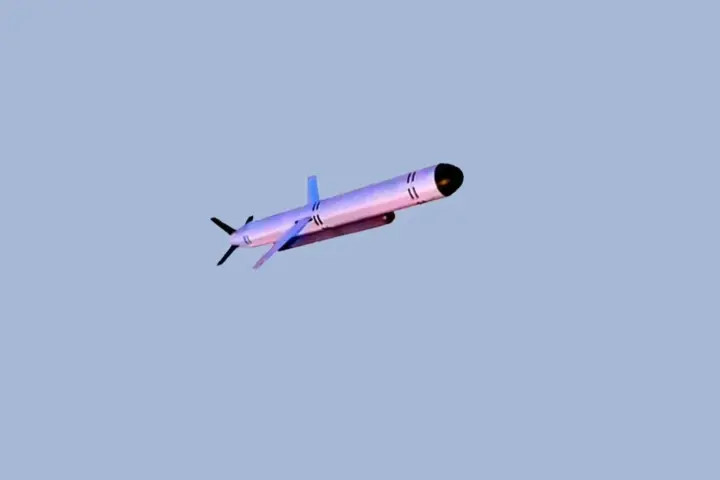
The Burevestnik, first announced in 2018, is a new Russian intercontinental missile with a nuclear propulsion system. Recent tests in October 2025 amid diplomatic tensions with the United States were intended to showcase Moscow’s strategic ambitions and highlight Russia’s claims of advanced missile capabilities.
Despite extensive sanctions, Russia’s defence industry continues to obtain foreign high-precision equipment. Access to GDW and Weiler systems — known for their advanced digital interfaces and broad functionality — enables Novator to maintain production of components for high-tech weaponry. Russian-made equivalents exist but lag behind in ergonomics and automation, making Western machines strategically valuable.
The presence of German lathes at a sanctioned plant underscores weaknesses in international export controls and suggests potential use of intermediaries or grey-market channels. Even a single machine tool can significantly expand Russia’s production capacity, providing multiplier effects across missile, aviation and armoured-vehicle programmes.
Strategic risks from foreign technology at key defence sites
Novator plays a central role in Russia’s missile development, including production of Kalibr and Burevestnik systems. Any foreign technology acquired by such facilities directly strengthens Moscow’s ability to sustain long-term military escalation. Cutting off supply chains to these enterprises remains a priority for the United States, the EU and Ukraine, which see technological access as a determining factor in Russia’s warfighting capacity.
Although Russia claims progress in import substitution, job listings suggest that engineers still rely on globally used design software such as AutoCAD, alongside domestic alternatives like Kompas. This indicates that the company’s technological processes remain tied to international standards that cannot be rapidly replaced.
The situation illustrates that sanctions targeting Russia’s defence industry must be continuously updated. Moscow actively looks for loopholes, intermediaries and neutral jurisdictions to bypass restrictions. Without constant adaptation by Western governments, high-precision equipment will continue to bolster Russia’s war economy and enhance the technological autonomy of its military-industrial base.