Bundestag debate exposes deep political rift on Germany’s stance toward Moscow
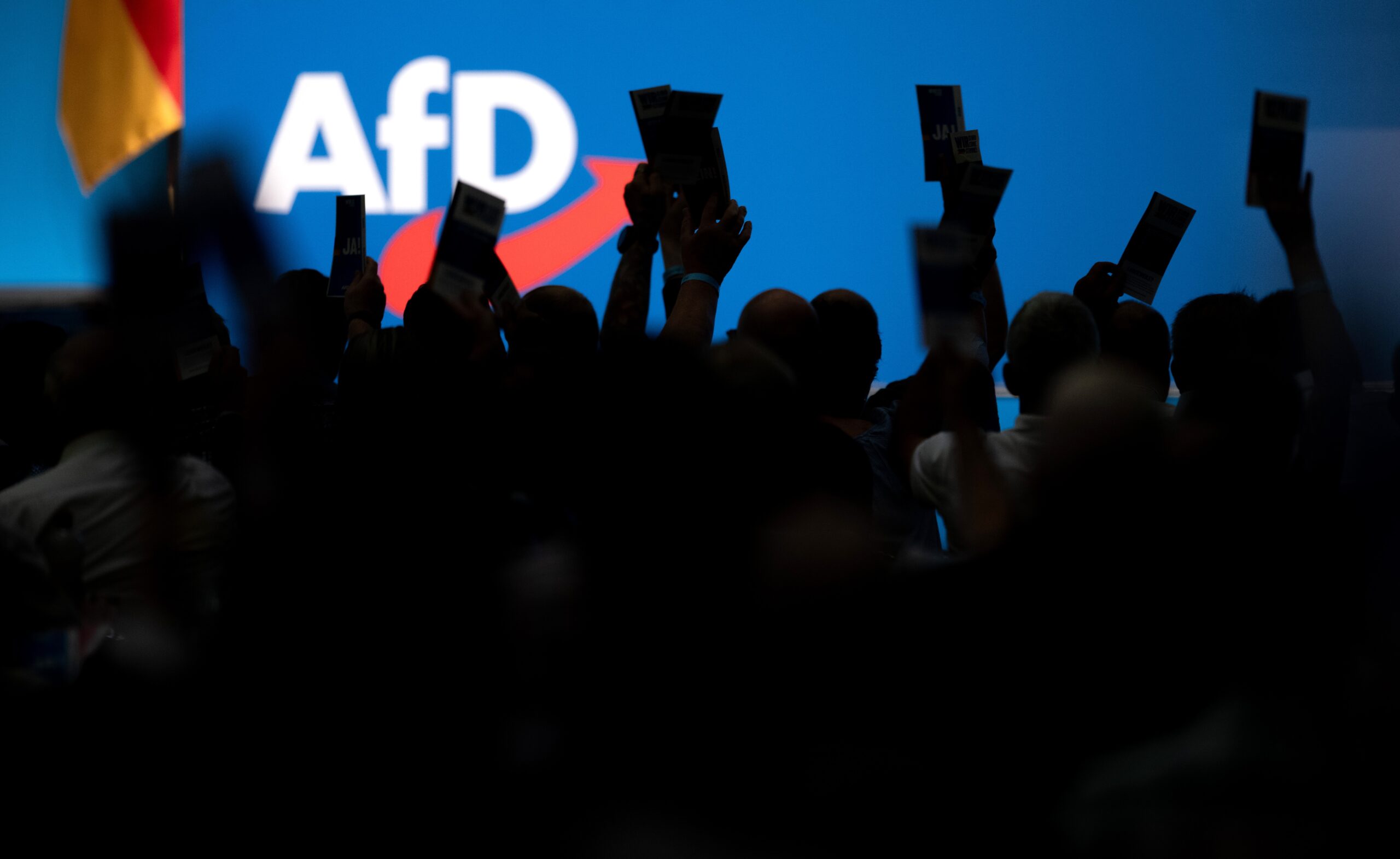
Germany’s governing coalition and the far-right Alternative for Germany (AfD) exchanged sharp accusations in the Bundestag on 26 November during a heated debate over the country’s approach to Russia. Lawmakers from the CDU/CSU and the SPD condemned what they described as the AfD’s pro-Russian line, while the AfD reiterated its call to restore energy imports from Russia and criticised ongoing support for Ukraine. The confrontation unfolded as the chamber discussed the 2026 federal budget, with coverage of the session focusing on the intensifying dispute between the coalition and the AfD over Russia.
During the debate, CDU/CSU parliamentary leader Jens Spahn labelled the AfD “Putin’s fifth column”, while SPD faction head Matthias Miersch described the party as a threat to Germany’s security. AfD co-chair Alice Weidel demanded that Berlin reopen channels for Russian gas and oil, insisting her party maintains communication with both the US administration and the Russian government. Tensions inside the AfD have grown since mid-November, when reports surfaced of internal disagreements over whether the party’s deputies should meet Russian officials in Moscow and Sochi. Weidel also criticised the government’s decision to increase military aid for Ukraine to €11.5 billion in 2026.
Dispute erupts amid wider debate on sanctions and their effectiveness
The confrontation comes as European leaders argue that existing sanctions on Russia, though impactful, remain insufficient. Analysts note that Russia’s economy has been weakened but not destabilised: corporate results fell by 8.2% in 2025 compared with the previous year, while passenger-car production declined by 27.4% in August 2025. These indicators signal that sanctions are generating pressure but have not forced the Kremlin to alter its strategic direction.
EU figures, including senior officials in Sweden, have urged partners to strengthen restrictions to raise the “cost of war for Putin”. At the same time, political signals from Washington suggest large-scale new US sanctions may not be forthcoming, creating concern among European policymakers over inconsistent levels of resolve. Western restrictions have already hit key sectors of the Russian economy, but Moscow has adapted by shifting trade routes, exploiting regulatory gaps and securing assistance from countries outside the Western sanctions framework.
Moscow’s evasion networks challenge Western unity
Intelligence assessments highlight several areas where Russia continues to circumvent restrictions. In the energy sector, the Kremlin relies heavily on a “shadow fleet” of tankers operating without standard insurance and using opaque shipping routes. Much of this activity has supported redirection of oil exports to China and India, both of which have declined to join Western sanctions. Financial services routed through intermediary jurisdictions and continued trade in sensitive components have further enabled Moscow to buffer the impact of Western measures.
Russia also acquires microchips, electronics and dual-use goods through intermediaries such as Turkey, Kazakhstan and the UAE, where enforcement varies significantly. Civilian equipment, including communications hardware and industrial components, is frequently repurposed for military production. Re-export networks in Armenia, Georgia and Kazakhstan facilitate shipments of high-value technology, from drones and optical devices to equipment used in oil and gas extraction. Some Russian business figures remain largely unaffected by international restrictions, relying on proxies and shell companies to shield assets and sustain cross-border operations.