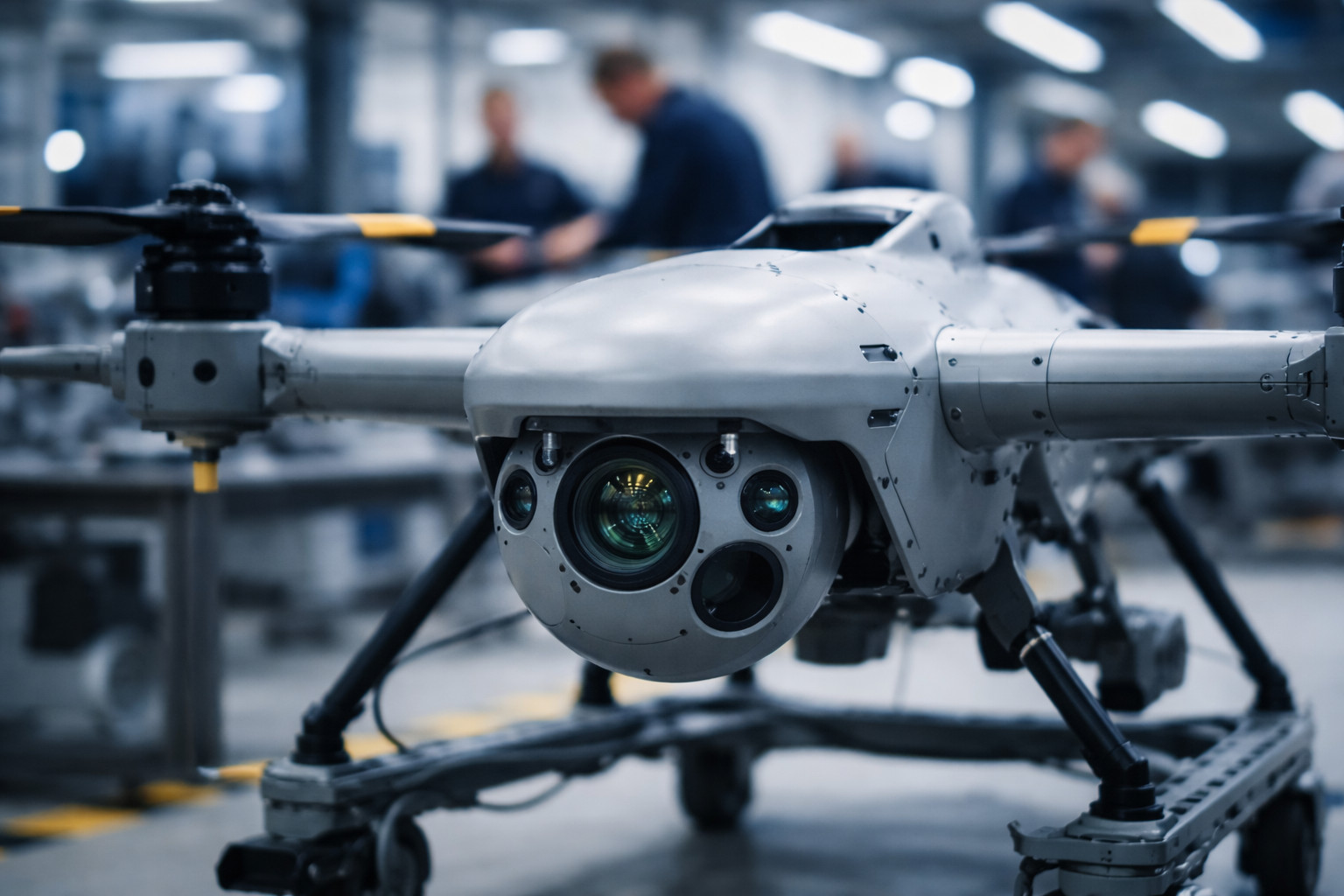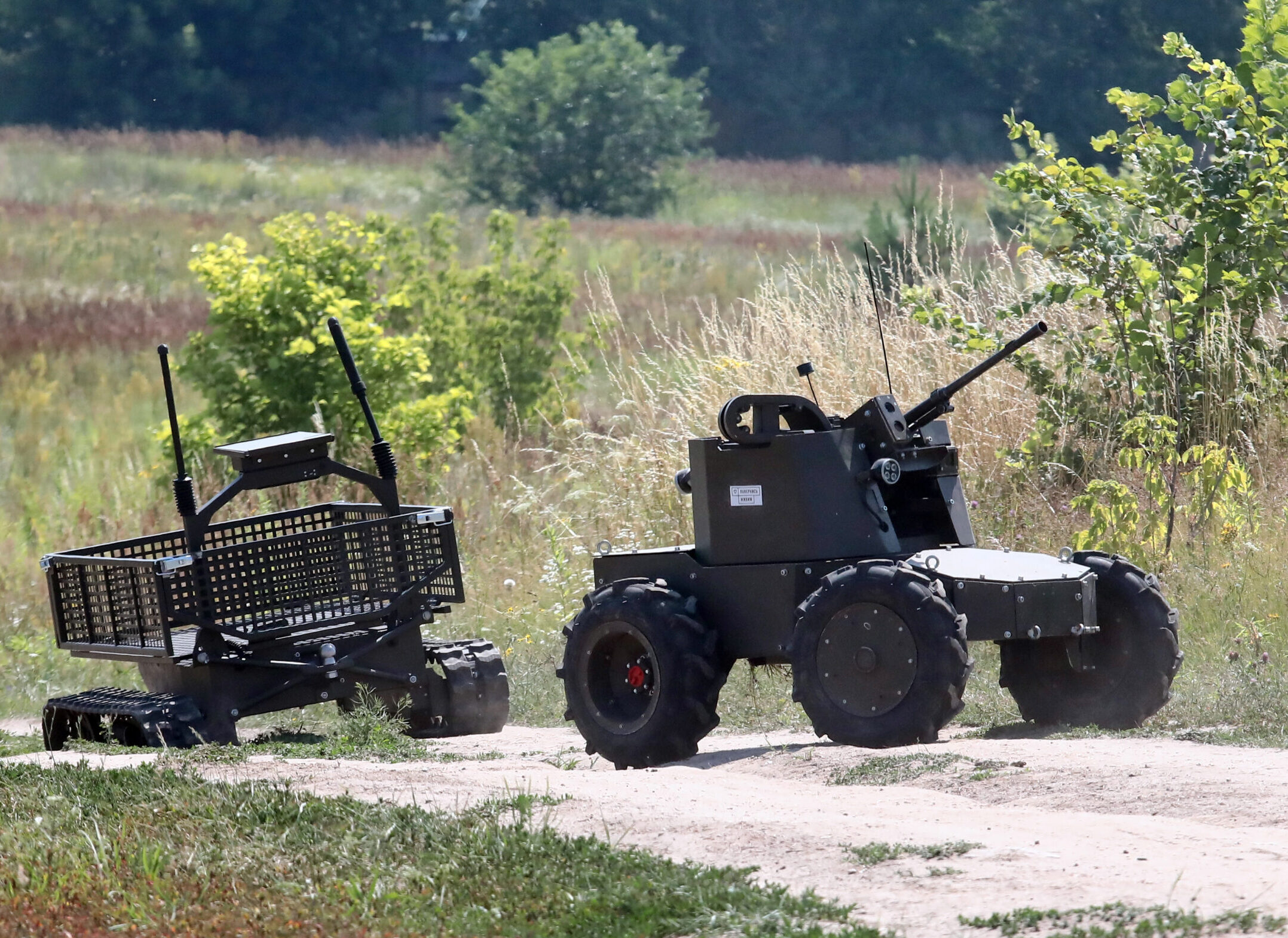
On 16 September 2025, Defence News reported that German company ARX Robotics unveiled its new ground combat unmanned vehicle (UGV), the Combat Gereon, at the DSEI exhibition in London. Built on the Gereon RCS platform, the vehicle is equipped with AI-enabled autonomous functions. The project was developed in cooperation with the Ukrainian company Frontline and combat-experienced Ukrainian troops, who provided crucial feedback on battlefield requirements.
Frontline experience shapes design
Ukrainian input focused on reducing size and weight for easier frontline logistics, simplifying controls to allow minimally trained operators to function effectively under stress, and increasing modularity for faster repairs and mission-specific adjustments. These lessons address common shortcomings in European UGVs, such as excessive weight, complexity, high costs and the need for multiple operators. By integrating Ukrainian battlefield insights, ARX Robotics was able to streamline design and adapt it to real combat conditions.
Faster innovation cycles for European defence industry
The partnership highlights how European-Ukrainian cooperation accelerates defence innovation. Instead of years-long research and development phases, companies can now test and iterate technologies rapidly in combat conditions. This practical feedback prevents wasteful investment in redundant or overly complex systems and helps deliver deployable solutions that are both cost-effective and operationally efficient.
Strategic benefits and NATO relevance
The modular architecture demanded by Ukrainian forces allows the Combat Gereon to switch roles between reconnaissance, combat, and evacuation missions, making it highly adaptable for NATO use. This approach strengthens European strategic autonomy by reducing reliance on U.S. or third-party suppliers. At the same time, it enhances Europe’s defensive posture against Russia, which is also advancing its own UGV capabilities.
Economic and industrial opportunities
Beyond the battlefield, the cooperation opens commercial opportunities. Combat-tested, lighter, and cheaper UGVs are more attractive in global defence markets, supporting job creation and technological leadership in Europe. Ukraine’s battlefield experience provides a competitive advantage for European firms, reinforcing both their market position and the continent’s security resilience.